10 Digital Marketing Strategies Every Business Should Know (Expert Guide)
Digital marketing is evolving faster than ever — and while many businesses chase the newest trends, tools, and “growth hacks,” the truth is simpler:
Sustainable growth comes from mastering the fundamentals, understanding your audience, and building systems that turn traffic into revenue.
As a digital marketing and SEO specialist who has helped startups, e-commerce brands, SaaS companies, and local service businesses grow through data-driven strategies, I’ve seen what actually works — and what wastes time and money.
This guide breaks down the 10 digital marketing strategies every business should know, backed by:
- My real case studies
- My 3-Layer Digital Growth Framework
- Actionable steps
- Beginner-friendly explanations
- Data-driven marketing strategies
- Digital marketing tips proven to work across industries
Let’s dive in.
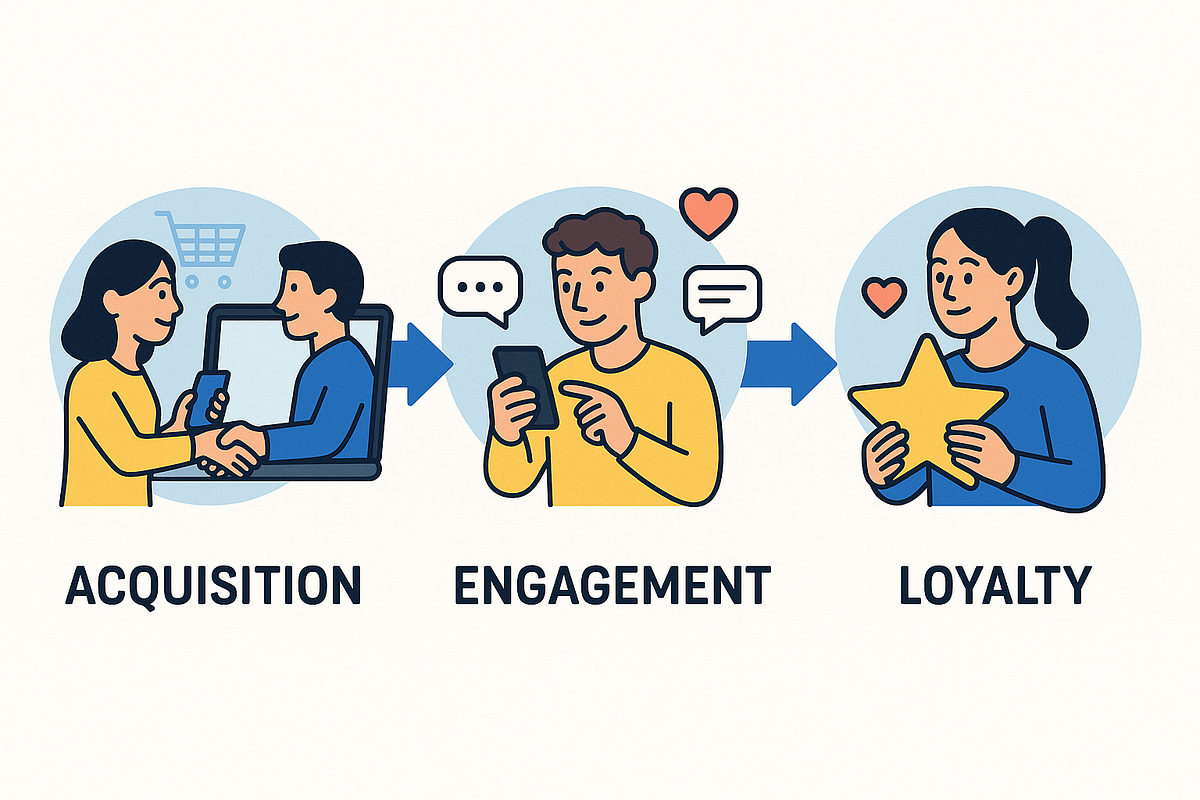
The 3-Layer Digital Growth Framework
(Your signature approach integrated into the full strategy)
Before diving into the individual strategies, here’s the foundation every tactic is built on:
Layer 1: Visibility (Get Found)
SEO, content marketing, and social reach.
Layer 2: Conversion (Turn Visitors Into Buyers)
Landing pages, funnels, offers, and messaging.
Layer 3: Retention (Turn Buyers Into Repeat Customers)
Email automation, retargeting, loyalty-building.

Every digital marketing strategy below aligns with one or more layers of this growth framework — ensuring not just traffic, but predictable revenue.
1. Prioritize SEO to Build Sustainable Organic Visibility
Search engine optimization is one of the highest-ROI marketing strategies — yet it’s still one of the most neglected.
Why it matters:
Most online journeys start with a search. Ranking for the right keywords means ongoing traffic without ongoing cost.
What I’ve seen firsthand
An e-commerce brand I worked with saw 120% growth in organic traffic and a 40% increase in revenue simply by fixing SEO fundamentals and optimizing product pages.
Action Steps
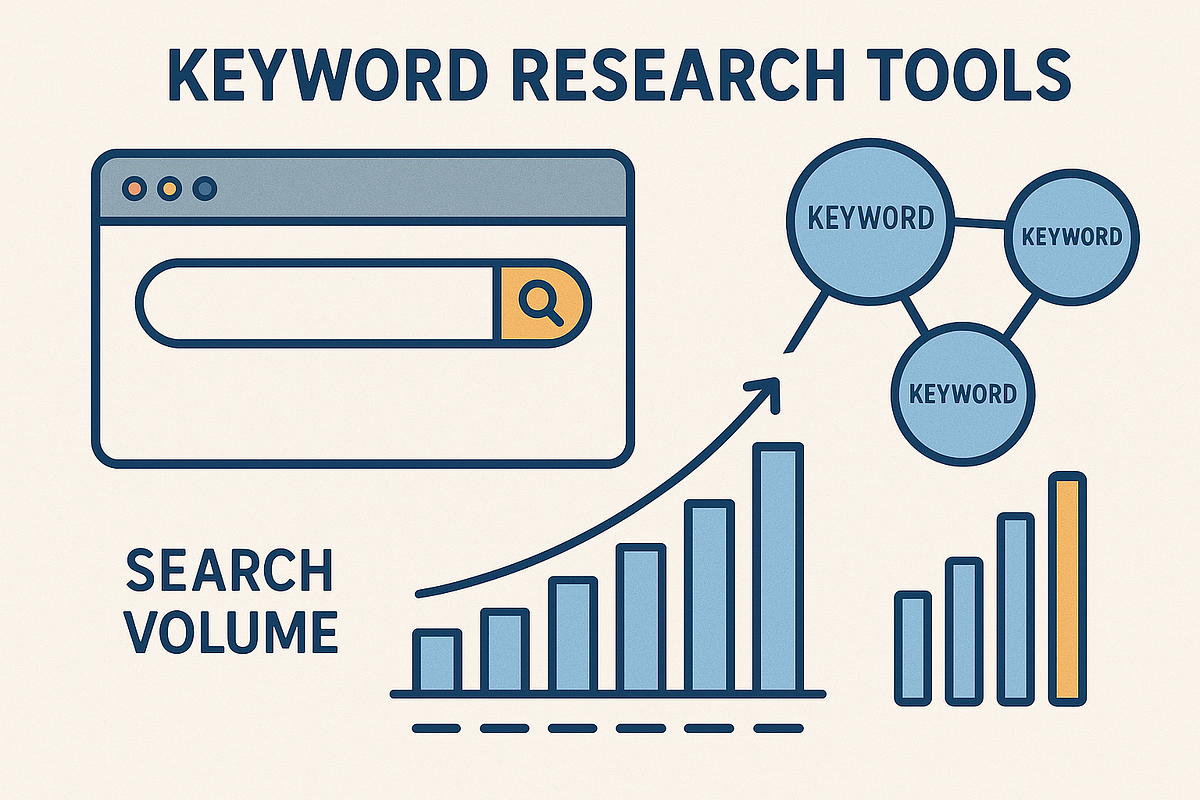
- Optimize your website for your primary keyword (“digital marketing strategies” style keywords for your blog niche).
- Create topic clusters around long-tail keywords.
- Improve site speed and mobile performance.
- Add internal links to guide Google and users.
Quick Checklist
- Keyword research complete
- On-page optimization
- Internal linking structure
- Fast, mobile-first design
- Local/industry-specific SEO pages
2. Use Long-Tail SEO & Topic Clusters for Faster Rankings
Most businesses chase high-volume keywords — and lose.
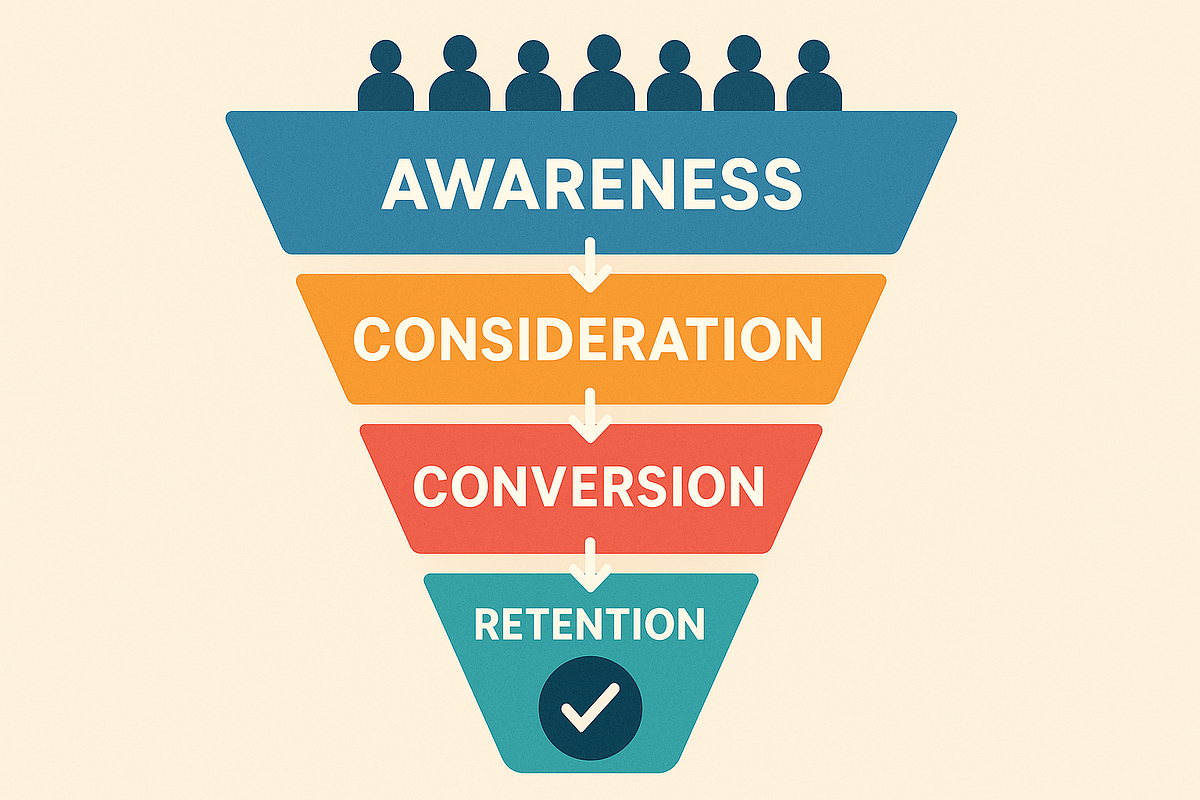
Long-tail keywords convert better, rank faster, and bring in more ready-to-buy visitors.
Example from the field
When I built a long-tail content hub for a client, their rankings jumped in just 60 days — and their blog became their #1 lead source.
How to implement
- Choose one core topic (e.g., “digital marketing strategies”).
- Build 6–12 supporting pages that answer specific search questions.
- Link them all together.
Why it works
Google rewards topical depth — not isolated articles.
3. Optimize Your Website for Conversions (CRO)
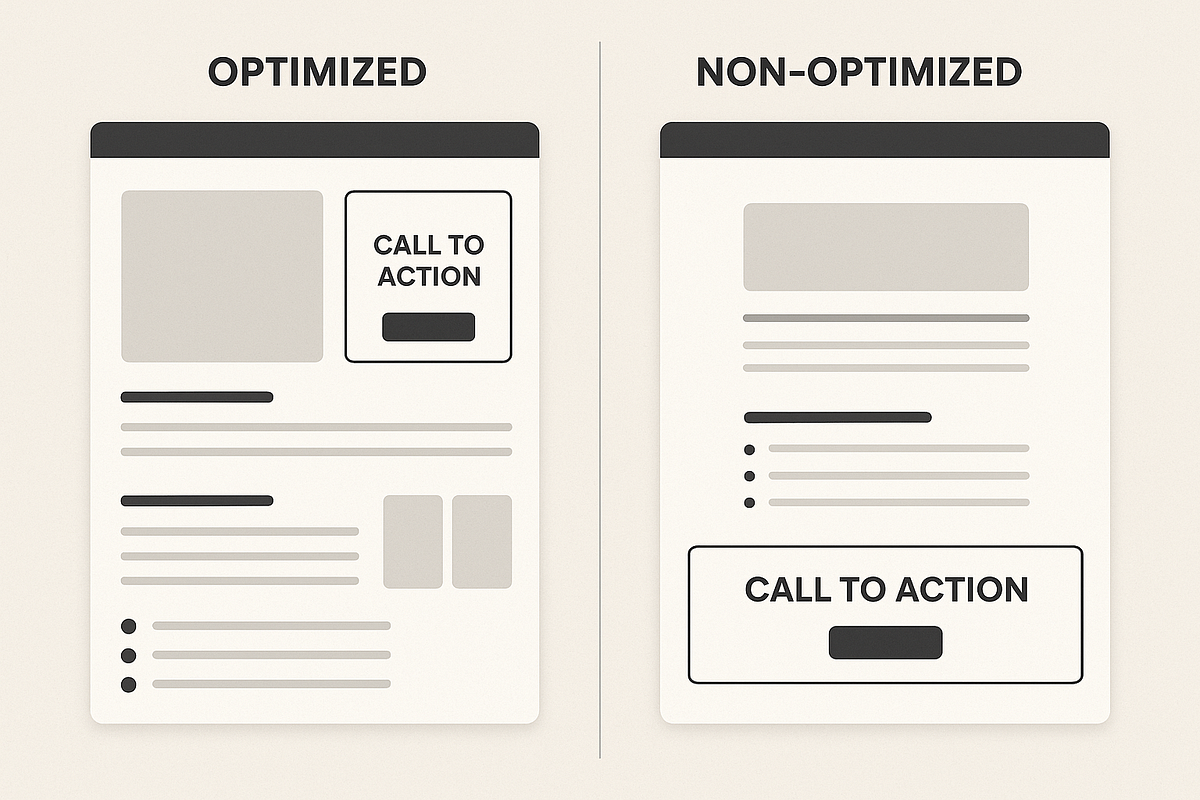
Most businesses don’t need more traffic — they need to convert more of the traffic they already have.
Real example
A SaaS startup I worked with tripled conversions (65% more free-trial signups) simply from:
- clearer messaging
- simplified user flow
- strategic social proof
- a retargeting campaign
Action Steps for CRO
- Use one clear call-to-action per page.
- Simplify your forms.
- Add testimonials, case studies, and trust signals.
- Test headlines & CTAs.
CRO Checklist
- Clear, benefit-driven headline
- Simple layout
- Trust badges + testimonials
- Strong CTA
- No unnecessary distractions
4. Build a Strong Content Marketing System (Not Random Posts)
Content is one of the most powerful digital marketing strategies for small businesses — if done with intention.
Most businesses post inconsistently, without a plan.
Your content should:
- answer high-intent search questions
- build authority
- support SEO
- nurture leads
Types of content to create
- Blog posts (SEO and digital marketing topics work well)
- Short-form videos
- Email newsletters
- How-to guides
- Case studies
- Lead magnets
Pro Tip:
Repurpose every piece of content into 3–5 formats to maximize reach.
5. Leverage Email Automation for Higher Customer Value
Email remains the highest ROI channel — but only if you use automation instead of one-off broadcasts.
Why email automation matters
It drives:
- repeat purchases
- upsells
- customer engagement
- retention
- abandoned cart recovery
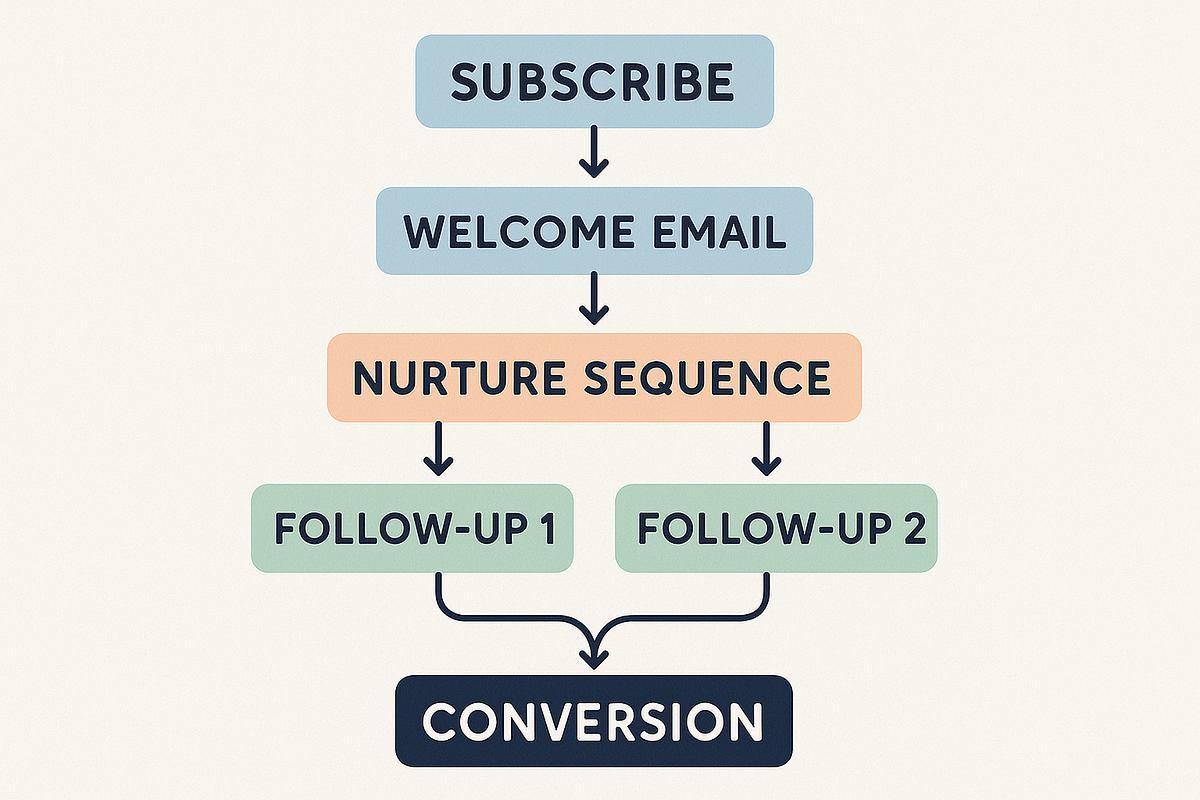
Recommended email automation flows
- Welcome sequence
- Lead nurturing sequence
- Post-purchase follow-up
- Re-engagement campaign
- Abandoned cart (for e-commerce)
This aligns perfectly with the Retention Layer of your framework.
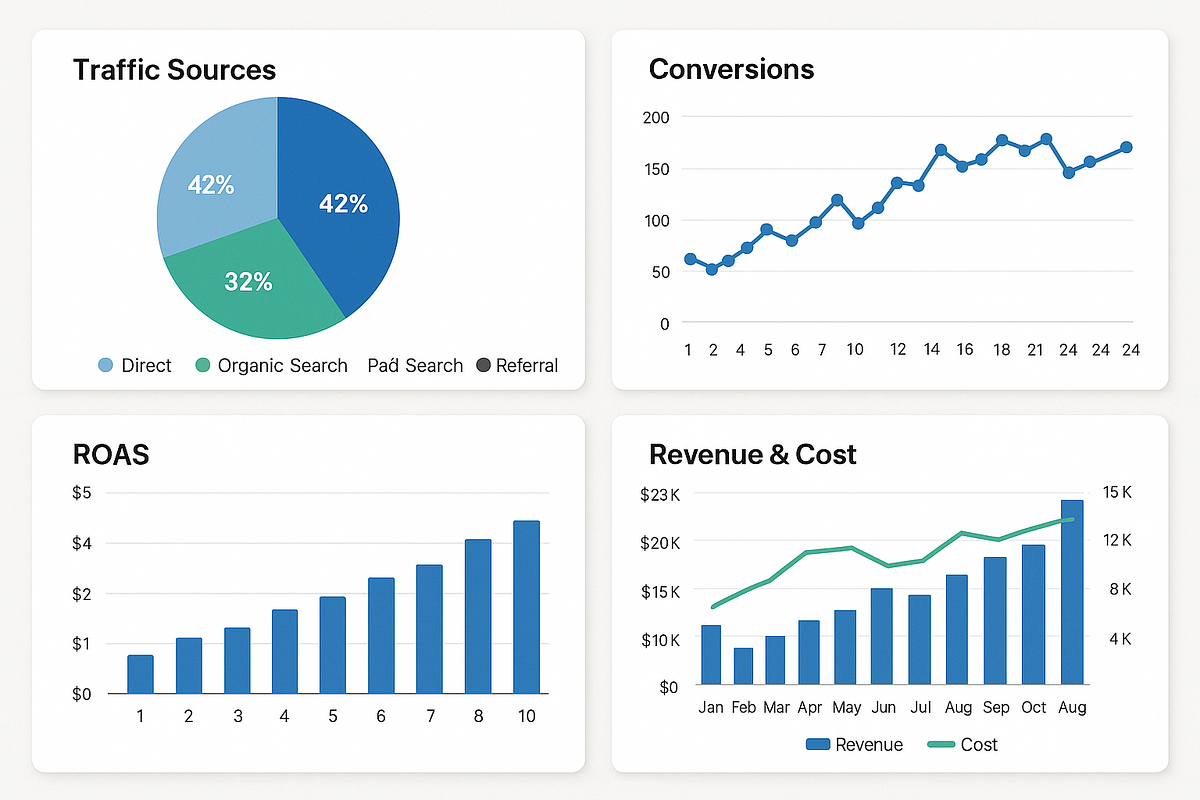
6. Use Data-Driven Marketing Strategies to Make Smarter Decisions
Guesswork is expensive.
Data removes the guesswork and makes your marketing scalable.
Key analytics to track
- traffic source breakdown
- bounce rate
- conversion rate
- cost per acquisition (CPA)
- return on ad spend (ROAS)
- lifetime value (LTV)
Tools to consider
- Google Analytics
- Google Search Console
- Hotjar or Microsoft Clarity
- CRM analytics (HubSpot, GoHighLevel, etc.)
A business that tracks data always grows faster than one that doesn’t.
7. Use Paid Advertising Strategically (Not as a Crutch)
Paid ads amplify a solid foundation — but they can’t fix a weak offer or poor messaging.
Best-performing ad types
- Google Search Ads (high intent)
- Meta retargeting ads
- YouTube pre-roll ads
- Local service ads
Case example
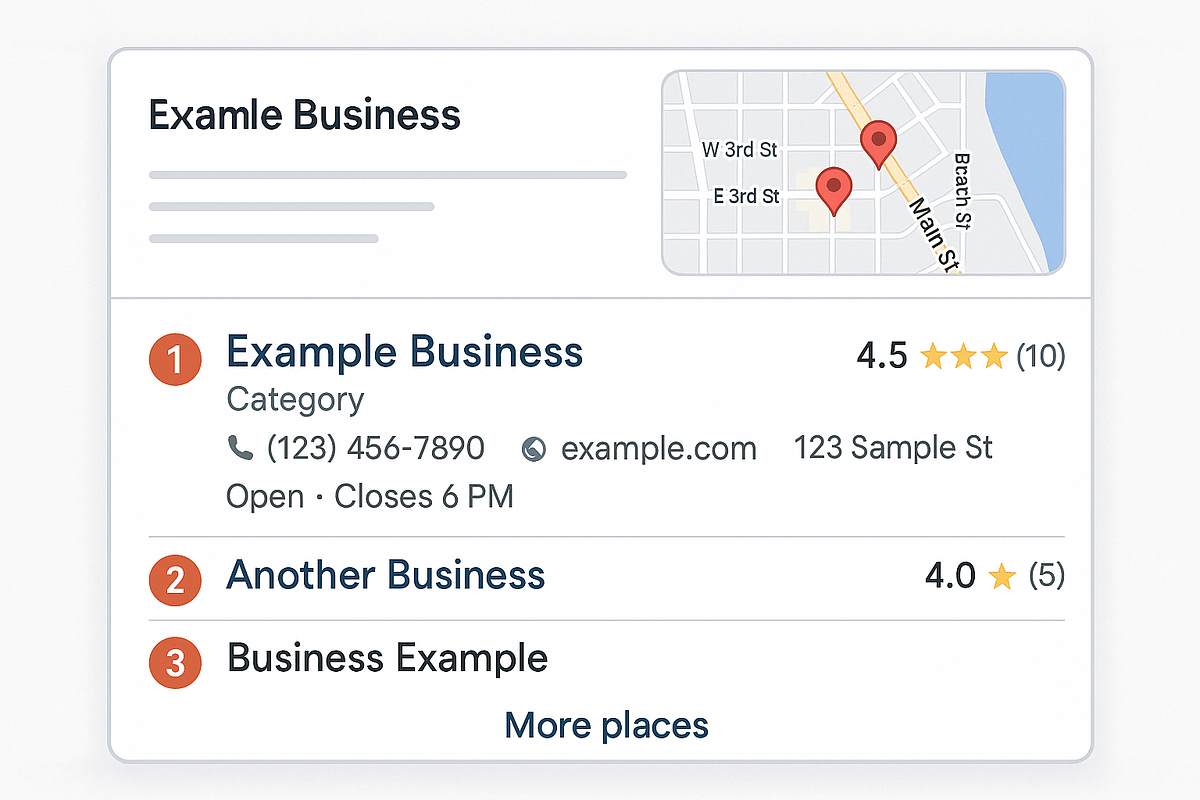
A local HVAC business I worked with saw a 3× increase in leads using a mix of:
- optimized Google Business Profile
- location-based landing pages
- local search ads
- review generation
Paid ads worked because the foundational layers were strong first.
8. Build a High-Converting Funnel (Even a Simple One)
A funnel doesn’t have to be complicated.
In fact:
The simpler the funnel, the higher the conversion rate.
Basic funnel example
- Value content →
- Lead magnet →
- Email nurturing →
- Offer →
- Follow-up automation
Why funnels matter
They turn cold visitors into warm leads — automatically.
9. Retarget Warm Audiences for Cheaper Conversions
Most businesses waste money targeting cold audiences.
Warm audiences convert for 5–10× cheaper.
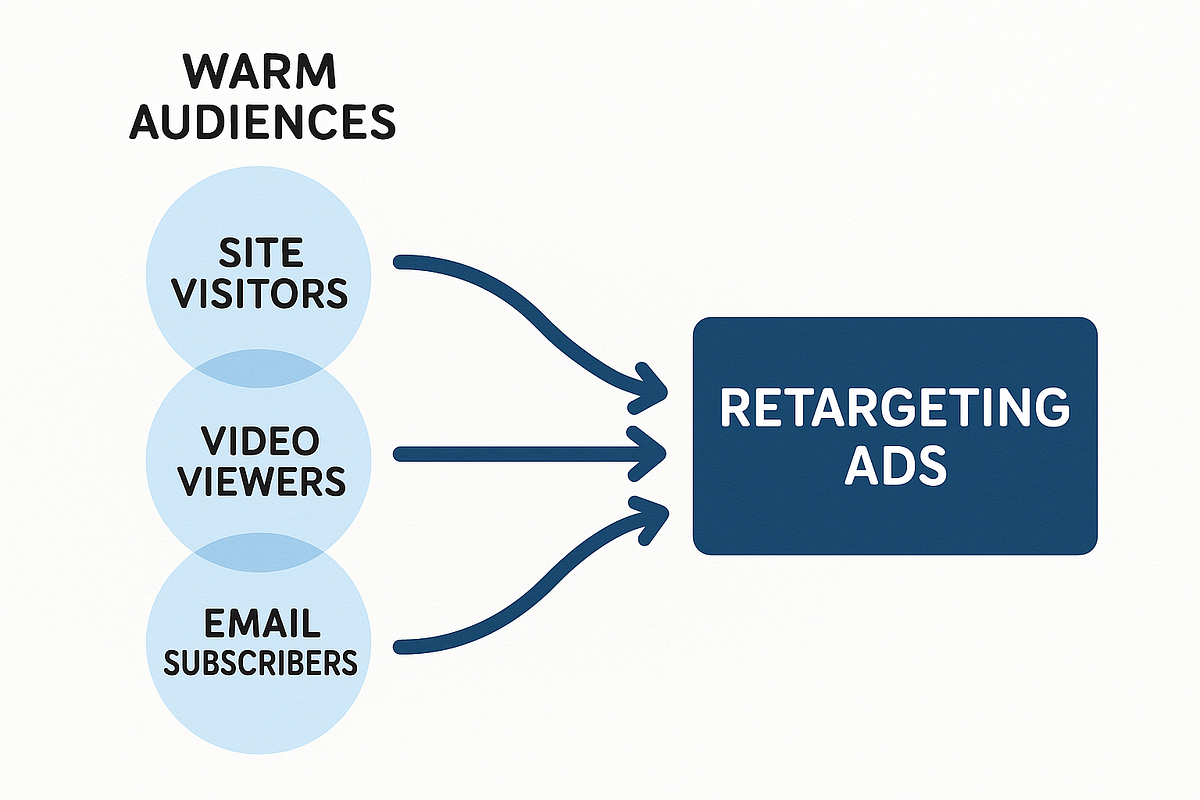
Retarget these individuals:
- website visitors
- email subscribers
- video viewers
- social engagers
- abandoned cart users
Why this works
People rarely buy the first time they see your brand — but they buy once they know and trust you.
This directly supports your Retention Layer.
10. Prepare for the Future: AI, Video, Voice Search & Data Privacy
Digital marketing changes daily — but a few trends are shaping the future:
AI-Powered Automation
AI simplifies research, personalization, workflows, ads, and content planning.

Short-Form Video Growth
Reels, TikTok, and YouTube Shorts dominate organic reach.

Voice Search & Conversational SEO
Optimize for natural language search queries.
Privacy-First Marketing
Businesses must rely more on first-party data as third-party cookies fade away.
Adapting now gives businesses a major competitive edge.
BONUS: My Honest Hot Take
“Most businesses waste huge budgets chasing new marketing trends instead of mastering the fundamentals. Strong messaging, understanding your audience, and conversion optimization outperform any fancy tool.”
This is why strategy >>> tactics.
Final Thoughts
Digital marketing doesn’t have to be overwhelming.
When you build a strong foundation — and layer the right strategies on top — growth becomes predictable and scalable.
These 10 digital marketing strategies are the exact methods I’ve used to help:
- e-commerce brands grow organic revenue by 40%
- local service businesses triple their leads
- SaaS companies boost free-trial conversions by 65%
Whether you’re a beginner or a business owner trying to grow online, this guide gives you the proven roadmap.


Comments
Post a Comment