Quantum Computing System: The Next Revolution in Ultra-Fast Technology
Quantum computing is no longer a futuristic concept — it is quickly becoming one of the most transformative technological revolutions of our time. While classical computers have carried us through decades of innovation, they are now approaching their physical limits. The next leap forward is here, powered by quantum computing systems — machines capable of solving problems at speeds previously unimaginable. But what exactly makes these systems so powerful, and why are they set to redefine our digital future?
This article examines the principles of quantum computing, the technologies that underpin it, its real-world applications, the challenges it presents, and the groundbreaking potential it holds for humanity.
What Is a Quantum Computing System?
A quantum computing system is an advanced computational architecture that harnesses the principles of quantum mechanics to process information.
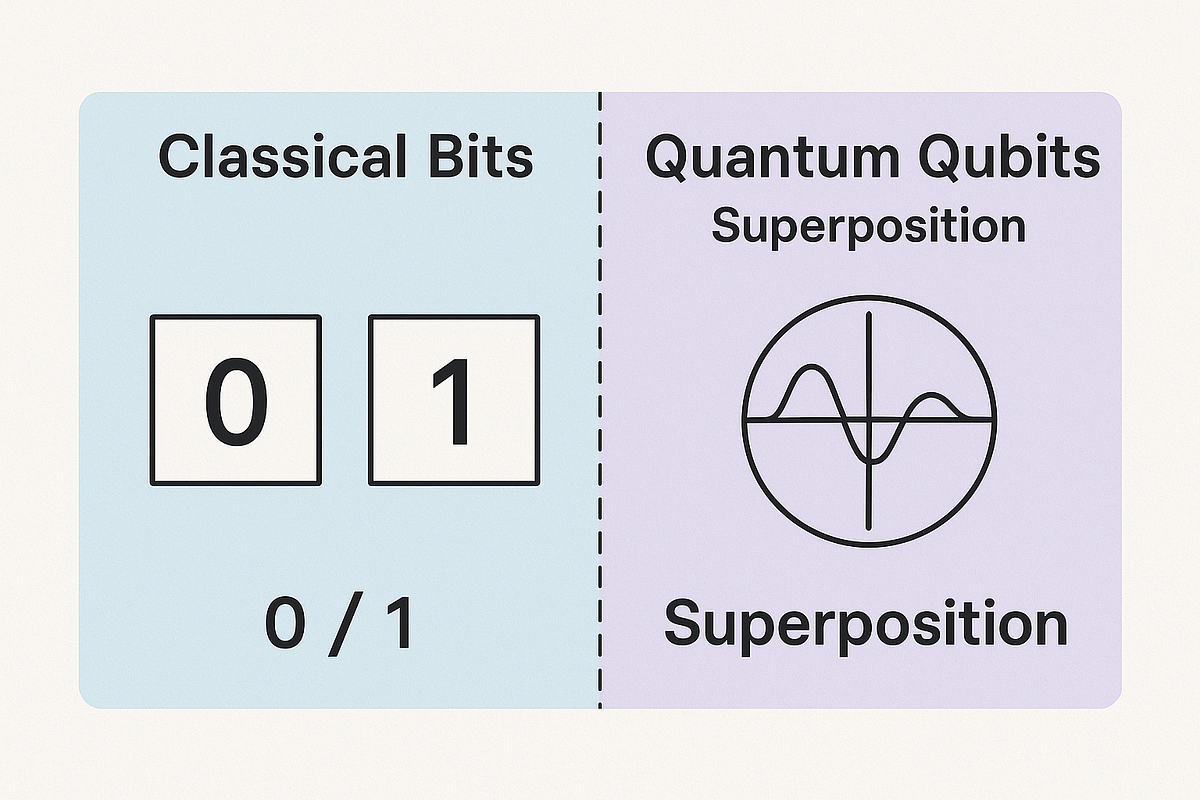
Unlike classical computers that operate using bits (0s or 1s), quantum systems use qubits, which can exist as 0, 1, or both simultaneously.

A typical quantum computing system includes:
- Qubits (superconducting, trapped ions, photonic, etc.)
- Quantum processors operating at near-absolute-zero temperatures
- Cryogenic systems that maintain extreme cooling
- Control electronics and microwave systems to manipulate qubits
- Error-correction layers for stability
- Quantum algorithms tailored for quantum hardware
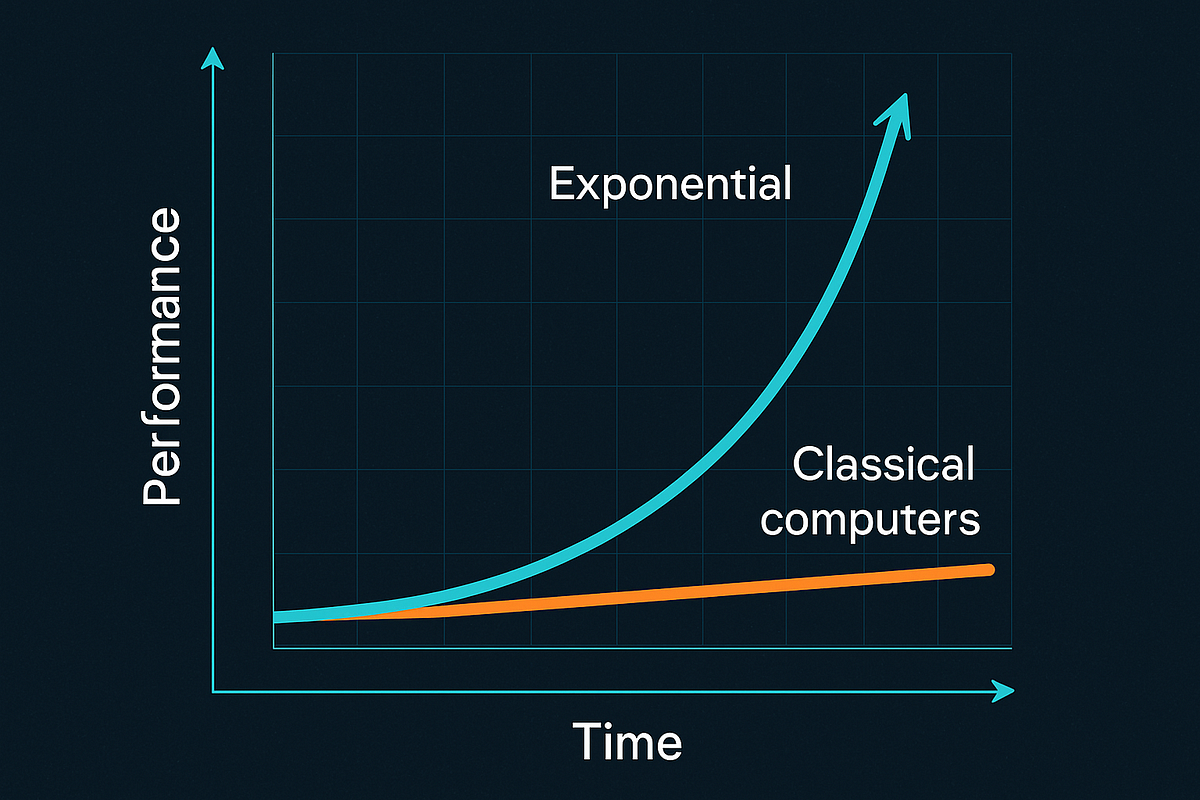
Together, this ecosystem enables quantum computers to process vast amounts of information in parallel, delivering computational performance that classical computers simply cannot match.
How Quantum Computing Achieves Ultra-Fast Performance
Quantum systems derive their speed and power from three core quantum principles:

1. Superposition
Qubits can exist in multiple states simultaneously, enabling quantum computers to perform numerous calculations concurrently.
2. Entanglement
When qubits become entangled, their states become linked. Changing one qubit instantly affects the other — enabling ultra-fast information transfer and enhanced computational power.
3. Quantum Tunneling
Quantum particles can pass through barriers, allowing certain calculations to bypass traditional computational limitations.
These principles allow quantum computers to process exponentially more possibilities at once, making them ideal for solving complex, multidimensional problems that would take classical systems millions of years.
The Technologies Powering Quantum Computing Systems
Quantum computing is not a single technology — it is an ecosystem of rapidly evolving innovations:
Superconducting Qubits
Used by IBM and Google, these qubits operate at extremely low temperatures and are controlled using microwave pulses.
Trapped Ion Qubits
Used by IonQ and Honeywell, these qubits offer high stability and long coherence times.
Photonic Quantum Computing
PsiQuantum and Xanadu focus on using photons for quantum computation, enabling room-temperature operation and easier scalability.
Topological Qubits
A future possibility promising ultra-low error rates and high coherence.
Cryogenic Control Systems
Since many qubits require temperatures close to absolute zero (−273°C), cryogenic hardware plays a critical role.
Together, these innovations form the backbone of modern quantum systems — machines capable of pushing computation into a new era.
Real-World Applications Transforming Industries
Quantum computing is not just theoretical; it is already reshaping industries.
1. Artificial Intelligence & Machine Learning
Quantum-enhanced AI models can train faster, analyze complex data, and optimize decision-making systems with unprecedented speed.
2. Cybersecurity & Cryptography
Quantum systems can break traditional encryption but also enable quantum-proof cryptography, ushering in a new era of security.
3. Healthcare & Drug Discovery
Quantum simulation accelerates molecular modeling, enabling faster cures, vaccine design, and personalized medicine.
4. Finance & Optimization
Banks and investment firms use quantum algorithms for risk modeling, fraud detection, and portfolio optimization.
5. Energy & Climate Science
Quantum simulation of materials leads to breakthroughs in battery technology, clean energy, carbon capture, and nuclear fusion research.

These advancements highlight quantum computing’s enormous impact across sectors.
Major Players Leading the Quantum Revolution
Several companies and research institutions are rapidly advancing quantum computing:
- IBM — Quantum cloud services and the IBM Quantum System One
- Google — Achieved a major quantum supremacy milestone
- Microsoft — Developing topological qubits and Azure Quantum
- Rigetti Computing — Innovative superconducting quantum processors
- IonQ — Commercial trapped-ion quantum machines
- PsiQuantum — Photonic quantum computing breakthrough
- Government Initiatives — China, the U.S., and Europe are investing billions into quantum research
This global race is accelerating quantum innovation faster than ever.
Challenges and Limitations
Despite its promise, quantum computing still faces major technical hurdles:
- High error rates caused by noise and decoherence
- Difficulty scaling qubits into large processors
- Expensive and complex hardware (especially cooling systems)
- Limited quantum-ready algorithms
- Short qubit stability time
Overcoming these challenges will be essential before quantum computers become mainstream.
The Future of Quantum Computing Systems
The next decade will bring exponential advancements:
- Achievement of practical quantum advantage across industries
- Hybrid quantum-classical computing systems
- Quantum cloud platforms are accessible to businesses and developers
- Breakthroughs in error correction and qubit stability
- Expansion of national quantum networks and quantum internet infrastructure
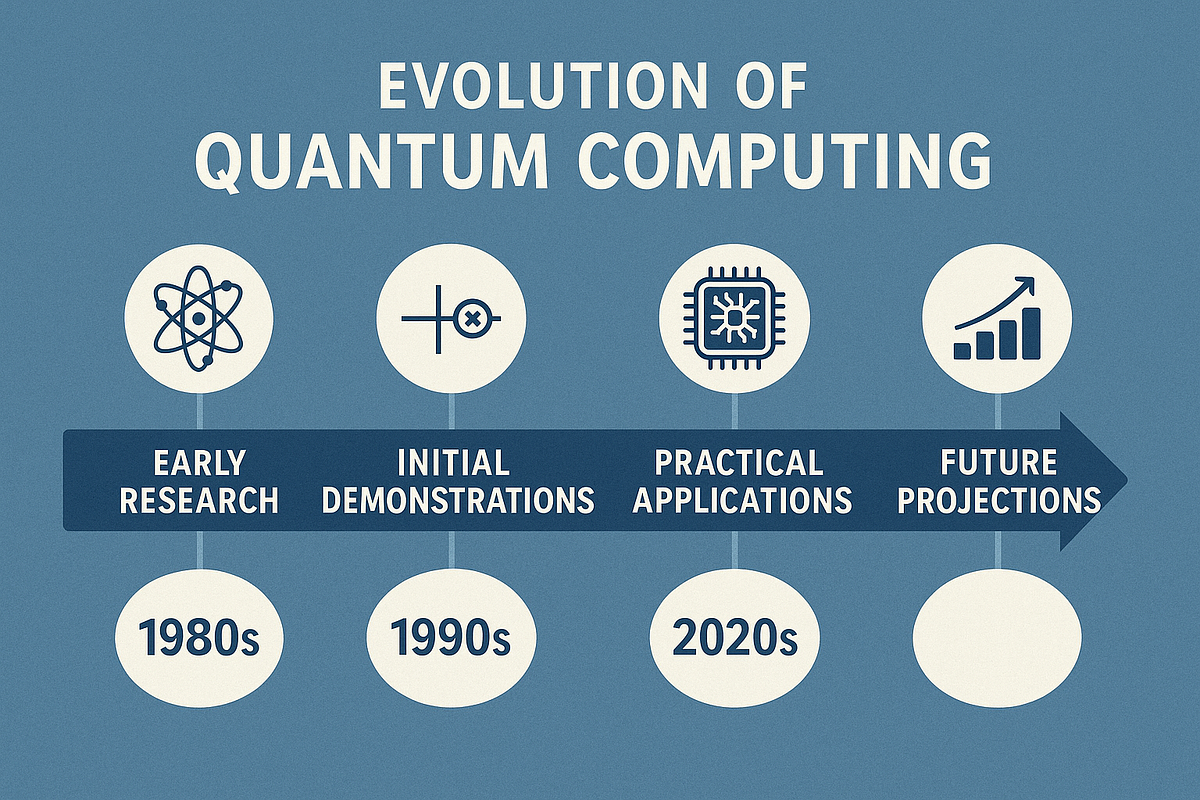
Quantum computing is on track to become a standard tool for solving humanity’s most complex challenges.
How Quantum Computing Will Transform Everyday Technology
Eventually, quantum systems will influence everyday life in areas such as:
- Ultra-fast AI assistants
- Stronger cybersecurity for personal data
- Breakthroughs in medicine and diagnostics
- Smarter cities and autonomous systems
- Faster, more efficient internet infrastructure
Quantum computing won’t just transform industries — it will reshape how we work, learn, and communicate.
Conclusion
Quantum computing systems represent the next major revolution in ultra-fast technology. Powered by the laws of quantum physics, these machines offer computational power far beyond classical systems, with the potential to reshape industries, accelerate scientific discovery, and redefine global innovation.
The quantum era is just beginning — and the future it promises is nothing short of extraordinary.


Comments
Post a Comment