High Ticket Affiliate Marketing for Beginners: The Guide I Wish I Had When I Started
High ticket affiliate marketing can completely change the trajectory of your income, your confidence, and your long-term online business — if you approach it the right way.
When I first got started in affiliate marketing, I didn’t have a roadmap. I hustled blindly. I made mistakes. Some campaigns failed miserably, others took off. Before I figured out how to make consistent $1,500–$1,800 commissions, I spent months learning what actually works versus what gurus pretend works.
This guide is everything I wish someone had handed me on day one.
I’m going to break down the business model, the pitfalls, what beginners get wrong, the tools and systems that made my own campaigns profitable, and how to start generating high-ticket commissions even if you’re not a marketer yet.
What Makes High Ticket Affiliate Marketing So Powerful?
Most beginners chase $20 commissions and wonder why they never make meaningful money. High ticket flips that script.
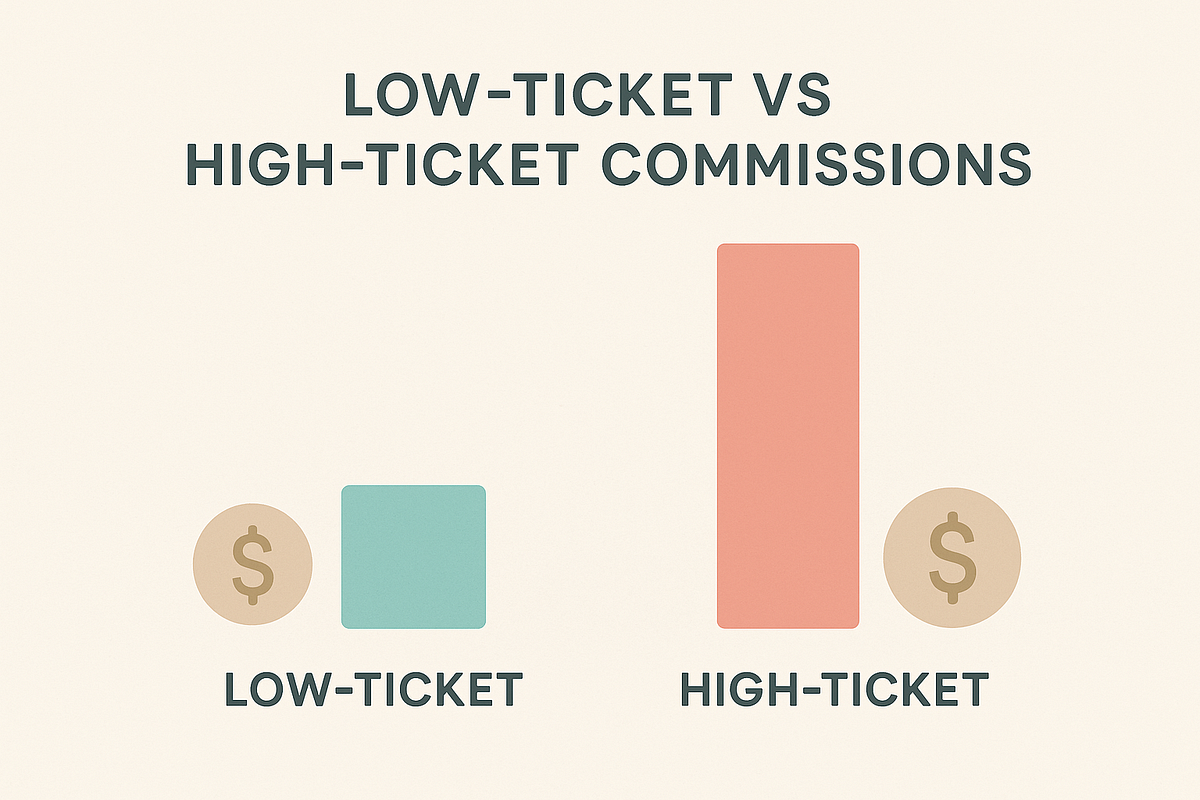
A single sale can be worth $500, $1,000, $2,000, or more.
Which means:
- You need fewer sales
- You can afford better tools
- Your income stabilizes faster
- You get rewarded for helping people with serious goals
But the real power is leverage.
When your commissions are high, you can reinvest into:
- Better content
- Paid ads
- Automation
- Outsourcing
- Skill development
That’s how you grow from hustling for scraps to owning a real digital business.
How I Started With High Ticket Affiliate Marketing
Like most people, I didn’t begin with high-ticket offers. I started promoting low-priced beginner-friendly programs, collecting tiny commissions, and hoping those numbers would magically grow.
They didn’t.

The turning point came when I invested in a high-ticket program myself — a High Levels Marketer offer that paid $1,500–$1,800 on each referral. That investment didn’t just give me a product to promote. It gave me a conceptual framework:
- Market less, earn more
- Focus on buyer intent, not vanity metrics
- Use systems instead of brute force
- Build funnels that pre-sell and filter the right people
Once I’d internalized those principles, my results accelerated.
Within my first successful campaign cycle, I had multiple big commissions roll in — proof that the shift in strategy was working.
Beginners Make One Big Mistake: They Think High Ticket Is “Harder”
Here’s the truth:
High ticket is NOT harder. Low ticket is harder.
Low ticket requires:
- More sales
- More traffic
- Endless effort
- Constant posting
- A huge audience
High ticket requires:
- More clarity
- Better positioning
- A simple funnel
- Understanding your audience’s pain points deeply
High ticket buyers don’t want a “cheap hack.”
They want transformation.
When you understand that difference, selling becomes easier — because you’re speaking to people who are ready for real change, not bargain hunters.
The Strategy I Use (and Recommend to Beginners)
Here’s the simplified blueprint I personally use and teach:
1. Pick a High Ticket Program You Actually Believe In
There are thousands of programs out there. But the only ones worth promoting meet these criteria:
- You’ve used the product or have direct experience with it
- The company supports affiliates
- Commissions are at least $1,000
- They include coaching, community, or a transformational outcome
- Their sales process is built for beginners
For me, High Levels Marketer checked all those boxes.
Find your version of that.
2. Build a Simple, Beginner-Friendly Funnel
You do not need a mega-funnel with 42 pages and 17 upsells.
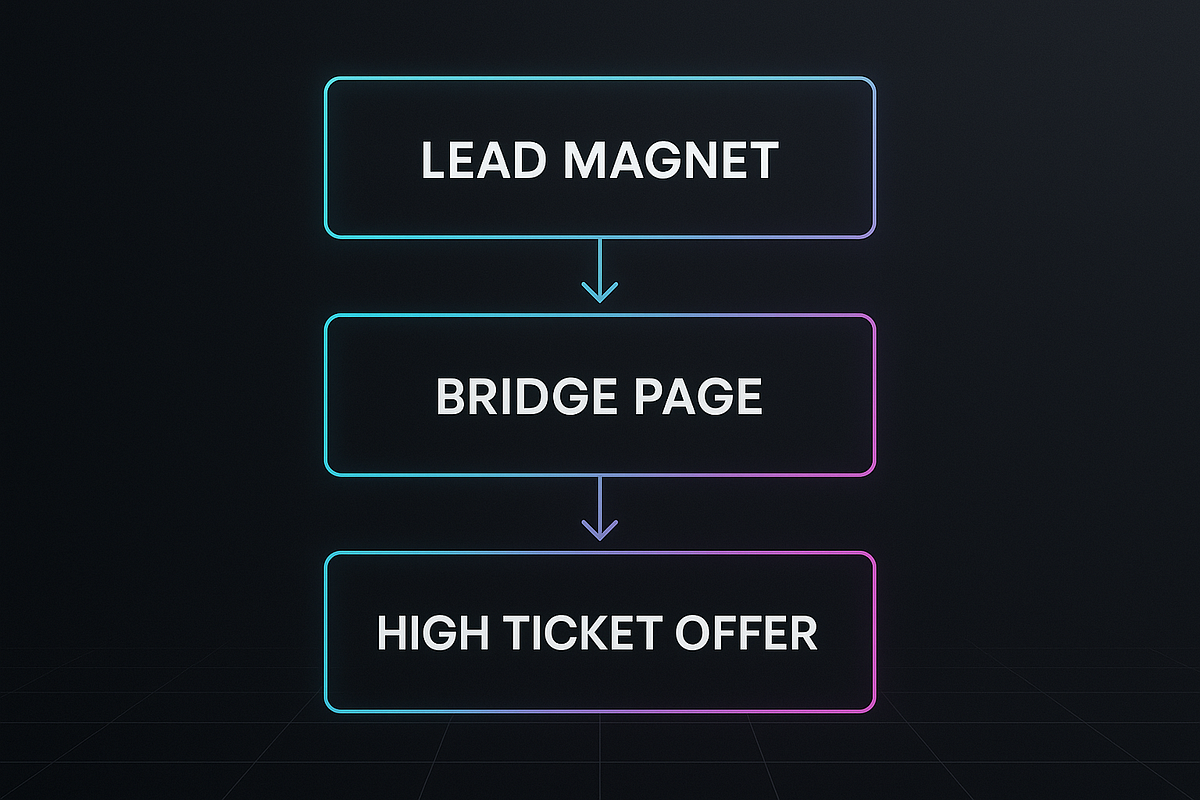
A simple high-ticket funnel looks like this:
- Lead magnet → 2. Value video/bridge page → 3. Offer page → 4. Follow-up emails
The goal is to pre-sell, build trust, and warm up the buyer.
For my own funnels, I use tools that simplify the process instead of complicating it — automation platforms, landing page builders, and email sequences that handle the heavy lifting.
3. Create Content That Shows Transformation, Not “Features.”
Beginners often shove screenshots, product features, and commission promises in people’s faces.
It doesn’t work.
High ticket sales come from:
- Stories
- Lessons
- Wins
- Mistakes
- Behind-the-scenes
- Personal transformation
People buy from people who’ve been where they are and know the path forward.
Your experience — your belief, your failures, your first commissions — are your best marketing assets.
That’s the secret most affiliates ignore.
4. Focus on Buyers, Not Followers
Here’s something gurus won’t tell you:
You can have 300 followers and make high-ticket commissions.
You can have 30,000 followers and make none.
Follower count doesn’t matter.
Buyer intent does.
Your content should target people who:
- Are actively searching for solutions
- Already want change
- Are you tired of low-ticket side hustles
- See the value of mentorship
- Are willing to invest in themselves
This is why my content doesn’t aim to “go viral.”
It aims to attract serious people.
5. Automate Everything You Can
My system works because it’s not dependent on me manually DMing people or posting every hour.
Here’s what’s automated on my end:
- Lead collection
- Email nurturing
- Value delivery
- Follow-up sequences
- FAQ responses
- Segmented offers
- Bridge pages that build trust while I sleep

Automation is optional with low-ticket…but essential with high-ticket. You’re not marketing harder — you’re marketing smarter.
6. Treat Every Prospect Like a Real Human Being
People hate being pitched.
But they love being understood.
Whenever I’ve closed a high-ticket sale, it wasn’t because I had the best script — it’s because I listened. I empathized. I understood their goals and fears.
When you treat people with respect instead of as “leads,” the whole game changes.
Behind One of My High Ticket Wins (A Simple Case Study)
One of my earliest high-ticket wins came from content that wasn’t even meant to sell — it was a teaching piece explaining the mistakes I made in my early affiliate marketing journey.
Someone read it, DM’d me saying:
“Your story is exactly what I’m going through. What did you do differently to finally succeed?”
We hopped on a quick conversation.
I asked questions.
They asked questions.
I showed them exactly what I used — my system, my tools, my process.

Two days later, they enrolled.
I earned between $1,500–$1,800 from that single sale.
No hard selling.
No pressure.
Just alignment.
This is high-ticket affiliate marketing at its best.
Myths About High Ticket Affiliate Marketing That Need to Die
Myth 1: “You need experience.”
Nope. You just need honesty and a willingness to learn.
Myth 2: “You need a big audience.”
Also false. You need buyers, not spectators.
Myth 3: “You need to bug friends and family.”
Absolutely not. This is a real business, not an MLM script.
Myth 4: “It’s too competitive.”
Most people are too scared or too scattered to be consistent.
There’s room for you.
Myth 5: “High ticket is unethical.”
High ticket is ethical when the product creates a real transformation.
Low-ticket spam is what hurts beginners.
The Tools I Recommend for High Ticket Beginners
Here’s what I personally use because they remove friction:
- A funnel builder (simple > fancy)
- Email automation platform
- Lead magnet delivery system
- Simple content creation tools
- A CRM or tracking solution
You don’t need 50 tools — just the ones that help you build a system that runs even when you’re not online.
What I Tell Every Beginner: Start Before You Feel Ready
When I invested in my first high-ticket program, I wasn’t “ready.”
But that decision flipped the switch in my identity.
Once you commit, everything changes:
- You show up differently
- You learn faster
- You invest in better skills
- You focus on results, not guessing
- You attract serious buyers because you are a serious buyer
Your voice becomes real.
Your content becomes authentic.
Your belief becomes contagious.
That’s what sells.
Final Thoughts: Your High Ticket Journey Starts With One Decision
High ticket affiliate marketing isn’t about pushing products — it’s about guiding people to the same transformation you experienced.
You’re not just an affiliate.
You’re a mentor.
A connector.
An example of what’s possible.
If you’re a beginner reading this, here’s my advice:
Start simple.
Start genuine.
Start with something you believe in.
Start with a system that works for real people.
Start today — not “after you learn more.”
You don’t need perfection.
You need momentum.
High-ticket affiliate marketing changed my life.
It can change yours too — one aligned decision at a time.


Comments
Post a Comment