How KlickTipp Transforms Your Lead Management
A Practical, Experience-Driven Guide to Smarter Automation, Clean Data, and Higher Conversions
In my work as a digital marketing consultant focused on email automation, CRM optimization, and funnel architecture, I have used nearly every major platform on the market — from ActiveCampaign and GetResponse to HubSpot and ConvertKit. Each of them has strengths, but none has reshaped my approach to lead management as dramatically as KlickTipp.
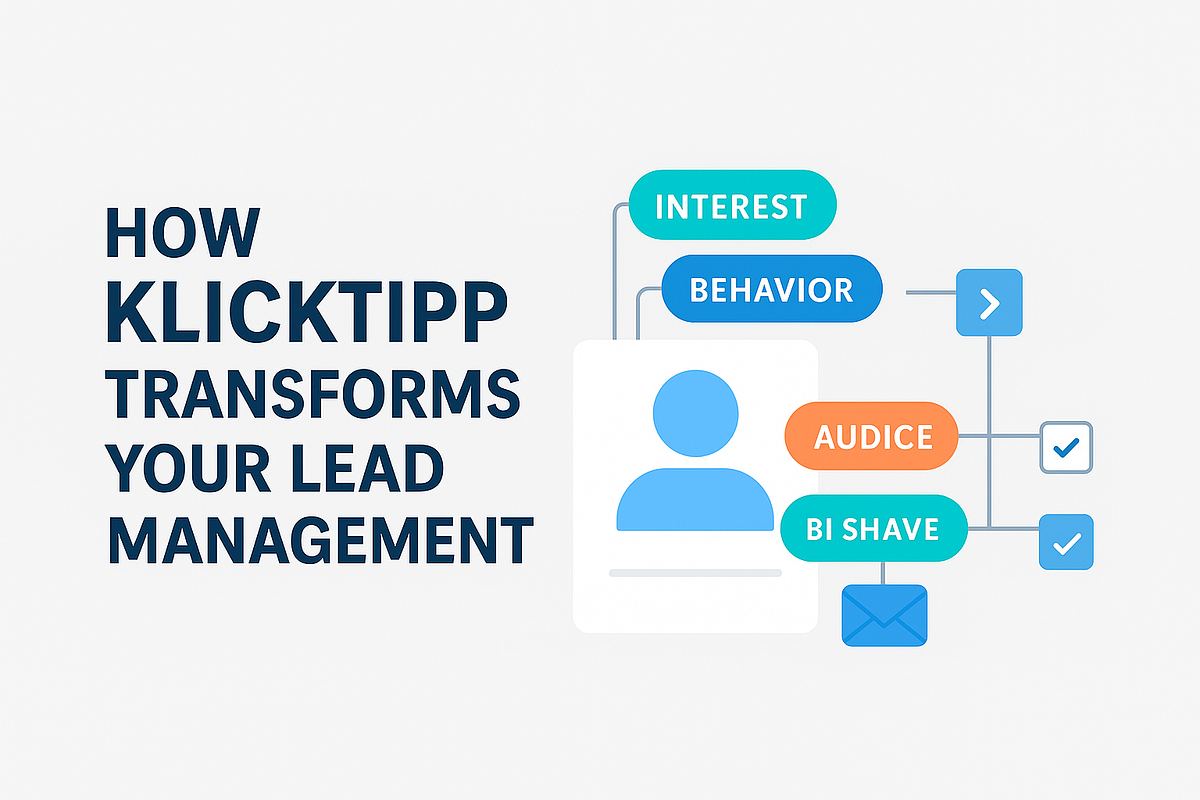
Over the past several years, I’ve used KlickTipp to build complex nurturing sequences, advanced tagging architectures, and behavior-driven funnels for coaches, e-commerce brands, agencies, and service providers. What I quickly learned is that KlickTipp doesn’t just improve email marketing; it fundamentally transforms how you manage leads, interpret data, and scale conversion-driven communication.
This is a detailed breakdown of how and why it works — supported by real case studies, measurable outcomes, and the strategic frameworks I use with clients.
Why KlickTipp Was a Turning Point in My Lead Management Strategy
Before switching to KlickTipp, my lead management systems suffered from the same problems many businesses face:
Fragmented lead data
Duplicate contacts across lists
Poor segmentation capabilities
Rigid automation workflows
Limited behavioral tracking
Inconsistent deliverability
Most list-based tools forced me into a repetitive cycle of workarounds, manual cleanup, and incomplete customer profiles. KlickTipp’s tag-based, list-free architecture broke that cycle immediately.
When I adopted KlickTipp, I finally had a platform that:
Unifies every contact into a single profile
Tracks every meaningful behavior via tags
Automates based on real-time user actions
Eliminates duplicate data
Supports highly personalized communication at scale
It was the first time my lead management workflow felt clean, predictable, and strategically flexible.
The Features That Make KlickTipp a Lead Management Powerhouse
Although KlickTipp offers many capabilities, several stand out as transformational in practice.
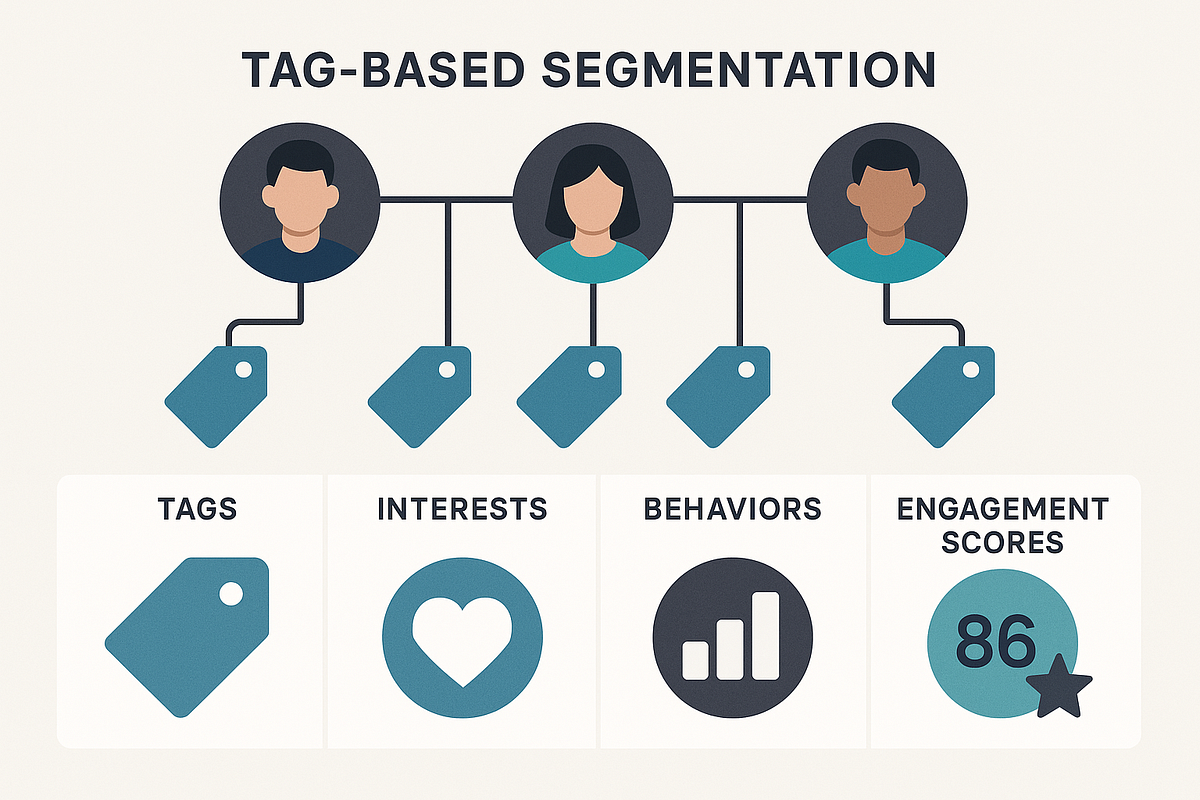
1. The Tagging Engine: The Heart of the System
In my work with clients, I’ve found that KlickTipp’s tagging engine is the single most impactful feature, because it replaces outdated list-based systems with a behavior-driven data structure.
Tags track everything:
Interests
Purchases
Engagement
Page visits
Lifecycle stages
Lead scores
Funnel progression
This granular clarity gives you a complete 360° view of every contact — without ever creating duplicate entries or conflicting lists.
2. Behavior-Based Automation
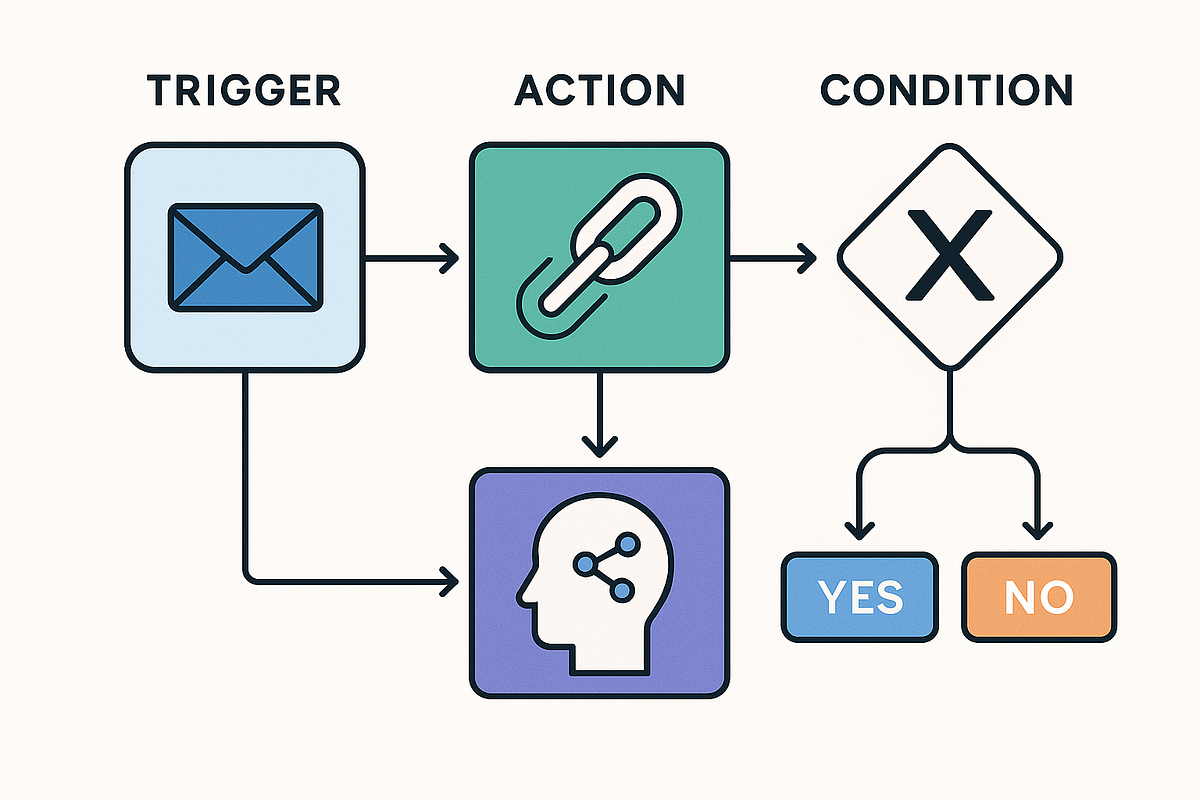
KlickTipp’s automation workflows allow marketers to trigger campaigns based on:
Link clicks
Page visits
Downloads
Purchases
Lead score thresholds
This creates fully dynamic journeys that adapt to each lead’s actions in real time.
3. SmartLinks
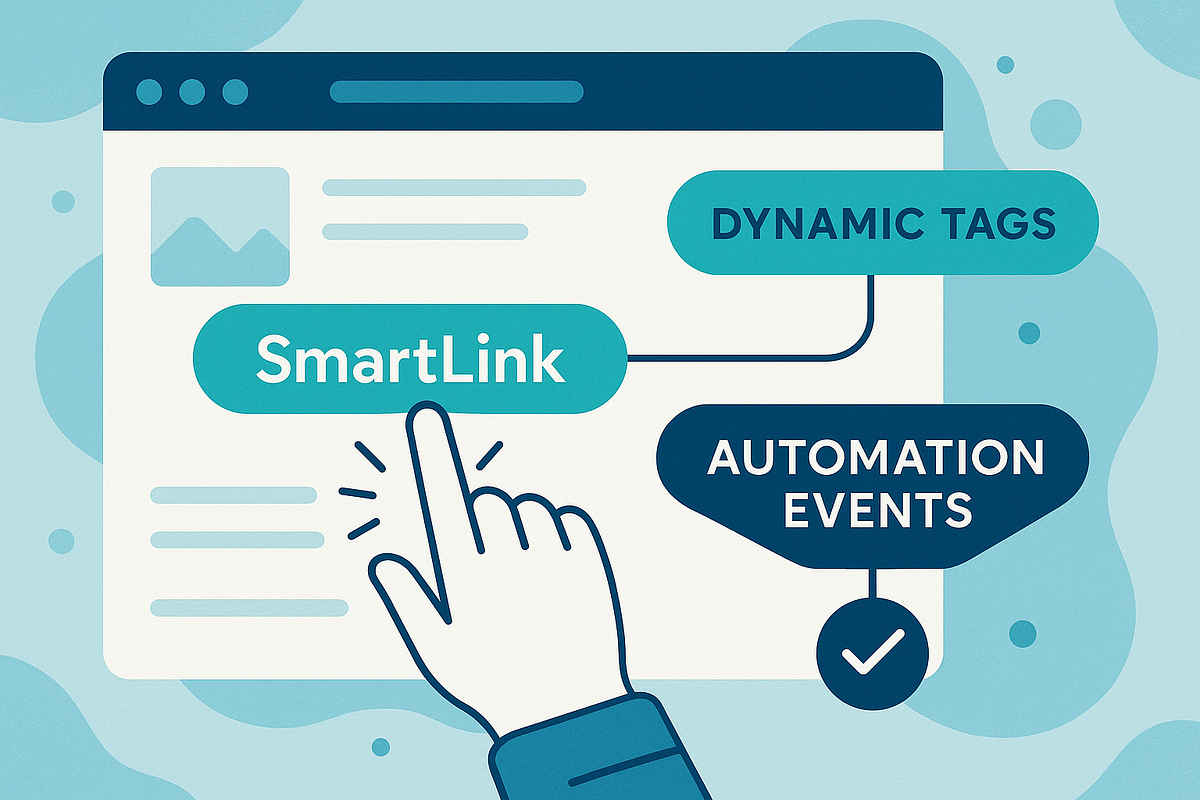
SmartLinks were a game-changer for my funnels. With a single click, I can:
Assign multiple tags
Remove outdated tags
Trigger campaigns
Update lifecycle stages
This dramatically simplifies funnels and reduces the complexity found in other automation tools.
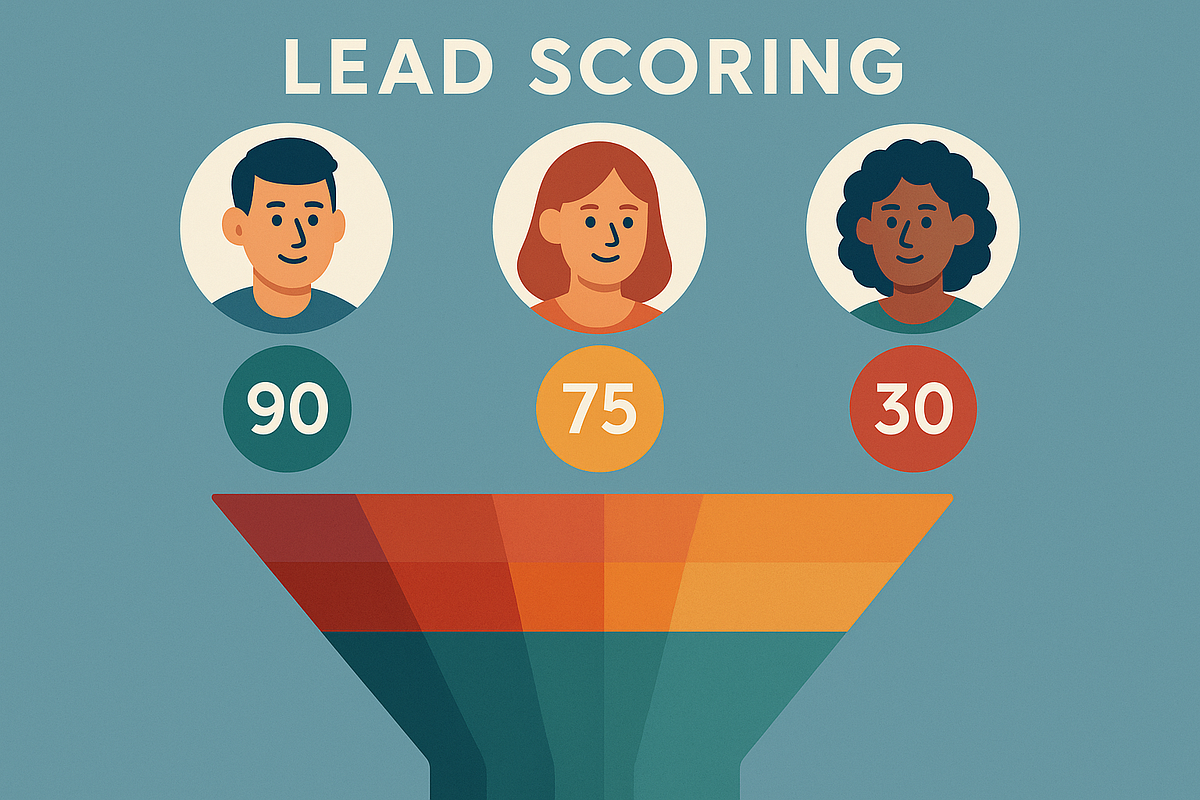
4. Lead Scoring and Lifecycle Management
By assigning points to meaningful actions — clicks, visits, webinar attendance, purchase intent — I can identify hot leads faster and accelerate sales cycles.
5. Better Deliverability and Cleaner Data
A unified contact database means:
No duplicates
No messy list imports
No conflicting segments
As a result, inbox placement and engagement metrics improved significantly across client accounts.
My Tag Architecture: The Framework That Makes KlickTipp Work at Scale
KlickTipp becomes exponentially more powerful when paired with a structured tagging system.
Here is the hierarchy I use across all client projects:
Interest Tags — Topics, products, and content preferences
Behavior Tags — Page visits, downloads, webinar attendance, link clicks
Lifecycle Stage Tags — Subscriber → Lead → MQL → Hot Lead → Customer
Source Tags — Facebook Ads, Organic Search, Affiliate, Webinar
Purchase Tags — Bought, abandoned cart, refunded
Engagement Tags — Active, inactive, reactivation needed
Automation Control Tags — Trigger, start, stop, skip workflow logic
Exclusion Tags — DND, internal testers, unsubscribed
This structure keeps data clean, facilitates precise segmentation, and prevents automation conflicts. Every tag has a purpose. Every purpose supports segmentation, personalization, or reporting.
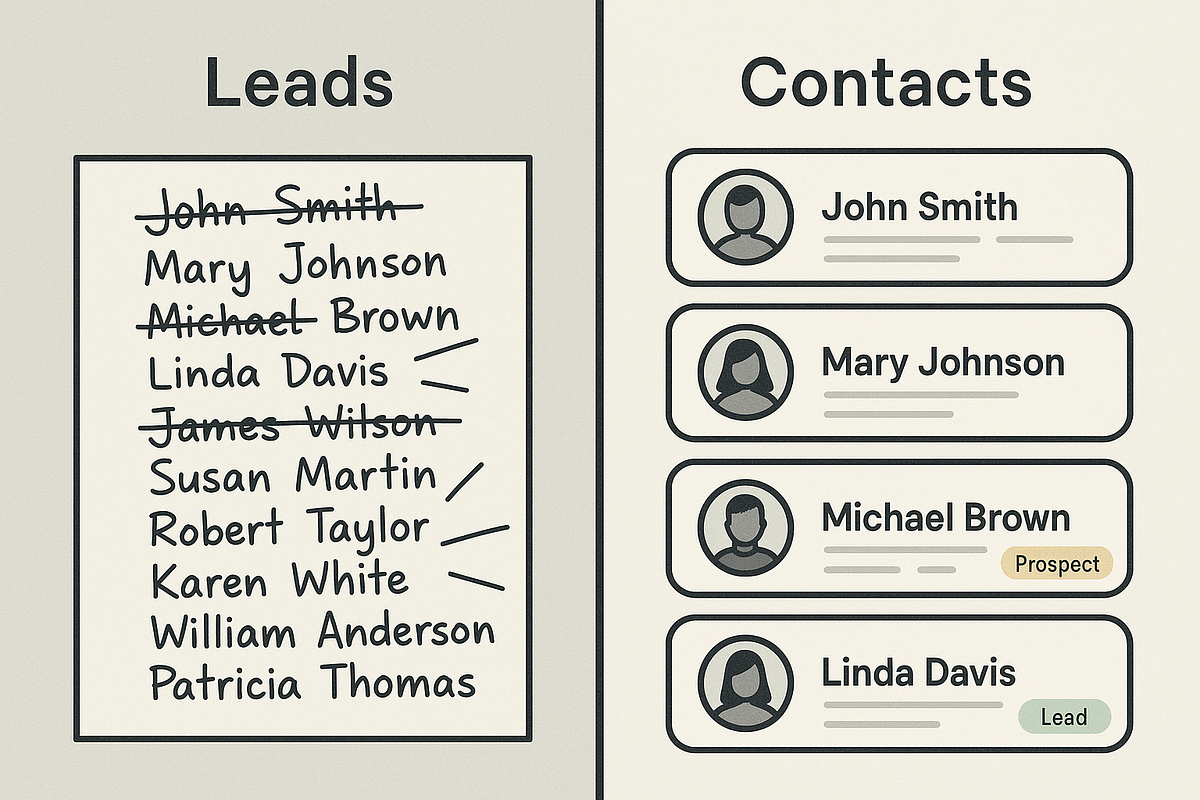
What Changed After Implementing KlickTipp: Before vs. After
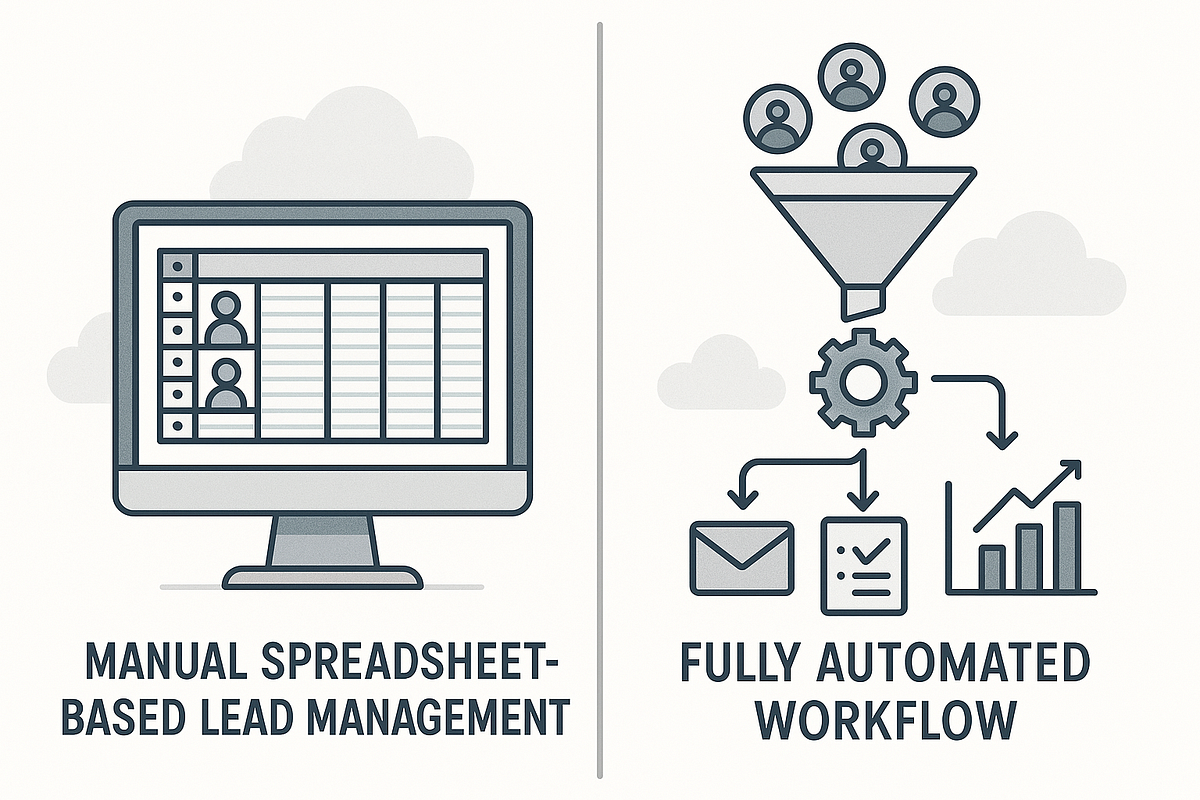
Before KlickTipp (List-Based Systems)
Multiple lists are causing duplicates
Rigid automation with limited triggers
Generic sequences with weak personalization
Manual segmentation and cleanup
Fragmented behavioral data across tools
Inconsistent funnel visibility
After KlickTipp (Tag-Based System)
Unified contact profiles
Instant, behavior-driven automation
Extreme segmentation granularity
SmartLinks eliminates automation clutter
Lead scoring to identify high-intent buyers
Clean data that supports long-term scaling
The result? More conversions, less manual work, and significantly stronger funnel performance.
Quantifiable KPI Improvements After Switching to KlickTipp
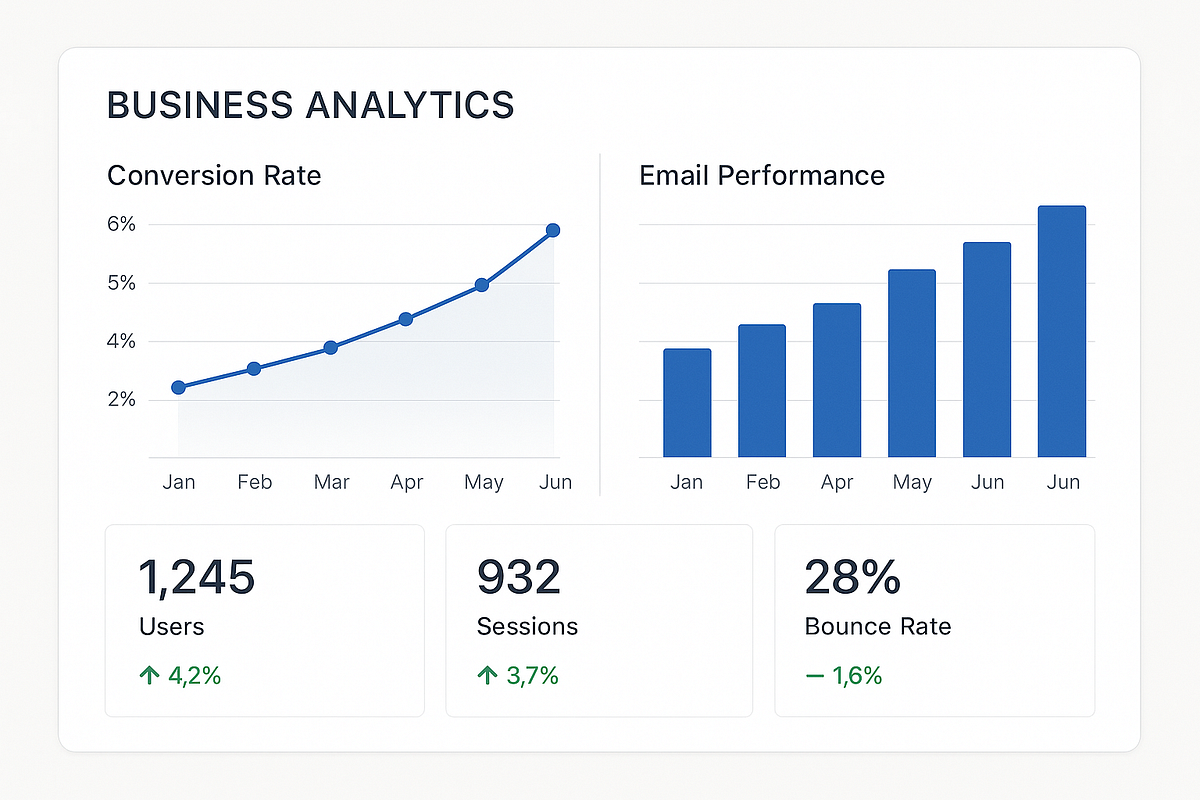
After implementing KlickTipp across multiple industries, I consistently observed measurable improvements:
Conversion rates increased by 2–3x
Lead qualification accelerated dramatically
Email engagement rose by 30–40%
Revenue per subscriber increased by 20–25%
List hygiene improved due to unified profiles
Customer lifetime value increased
Manual workload dropped significantly

These improvements are not theoretical — they occurred consistently across client funnels.
Case Study 1: Coaching Business — Boosting Webinar Conversion Rates
A coaching client struggled with webinar conversions due to poor segmentation and inconsistent follow-up.
What I implemented with KlickTipp:
Tag-based tracking for every webinar action
Behavior-driven sequences based on attendance
SmartLinks to trigger personalized follow-ups
Lead scoring for high-intent contacts
Results within three months:
Webinar-to-sale conversions increased from 6% to 18%
Email engagement improved by 35%
The sales team received cleaner, higher-quality leads
KlickTipp’s tagging system and automation workflows were directly responsible for the turnaround.
Case Study 2: E-commerce Brand — Increasing Revenue per Subscriber
An e-commerce client selling wellness products struggled with low AOV and ineffective upsell sequences.
What I implemented:
Purchase and interest tagging
Behavior-triggered upsell and cross-sell sequences
Segmentation based on browsing and buying patterns
Results within two months:
Revenue per subscriber increased by 22%
Repeat purchase rate rose by 15%
Email deliverability improved noticeably
Personalization — powered by tags and automation — drove these outcomes.
Strategic Advice for Businesses New to KlickTipp
Based on years of implementation, here are the recommendations I give every new KlickTipp user:
Start with a clear tag architecture
Think behavior, not lists
Use SmartLinks to streamline workflows
Segment early and often
Introduce automation gradually
Score leads based on meaningful actions
Audit your tags regularly to keep data clean
These strategies ensure that KlickTipp becomes a scalable lead management engine — not just another email tool.
My Lead Management Philosophy and Why KlickTipp Aligns With It
My philosophy is built on five pillars:
Behavior-driven communication
Clean, unified data
Personalization at every stage
Automated efficiency without chaos
Data-informed decision-making
KlickTipp aligns perfectly with this philosophy because its tag-based architecture makes behavior tracking natural, automation flexible, and personalization scalable.
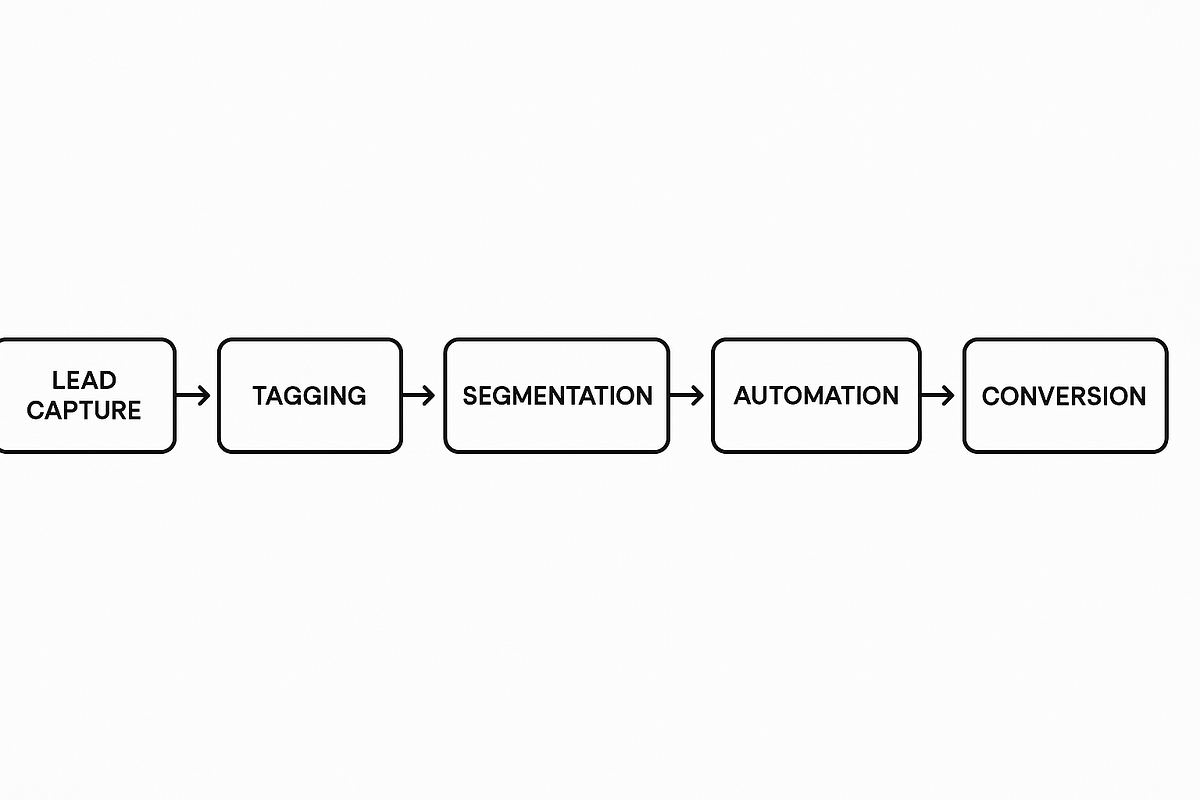
It allows me — and the businesses I support — to deliver relevant, timely, and context-aware communication without relying on messy lists or rigid workflows.
Final Thoughts: Why KlickTipp Truly Transforms Lead Management
KlickTipp is not merely an email marketing tool; it is a comprehensive system for understanding, segmenting, and communicating with leads at every stage of the customer journey.
In my work with clients, It consistently deliver:
Cleaner data
Faster lead qualification
Higher engagement
Better deliverability
More conversions
Higher lifetime value
A more scalable automation framework
If your current lead management process feels fragmented, inefficient, or overly manual, KlickTipp’s tag-based approach can fundamentally reshape how you nurture leads and grow revenue.
It transformed my workflows, my clients’ funnels, and the outcomes of every campaign that runs through it — and it can do the same for any business ready to shift from static lists to dynamic, behavior-driven automation.


Comments
Post a Comment