How to Choose a Google Ads PPC Training Program for Beginners
If you’re just getting into Google Ads, choosing the right PPC training program can make the difference between wasting months on trial-and-error… or getting profitable campaigns running quickly and confidently.
After running Google Ads for six years, managing campaigns for 20+ clients across e-commerce, service-based businesses, and SaaS, and watching students succeed (and fail), I’ve learned one thing:
Beginners don’t struggle because Google Ads is too hard — they struggle because they choose the wrong learning path.
This guide will show you exactly what to look for (and what to avoid) when choosing a PPC training program for beginners, based on real experience, real results, and real mistakes.
Why Your Choice of Training Program Matters More Than Ever
The Google Ads interface changes monthly. Strategies that worked in 2018 can burn your ad budget today. Automation is increasing, competition is rising, and platforms like TikTok and Meta have changed consumer behavior.
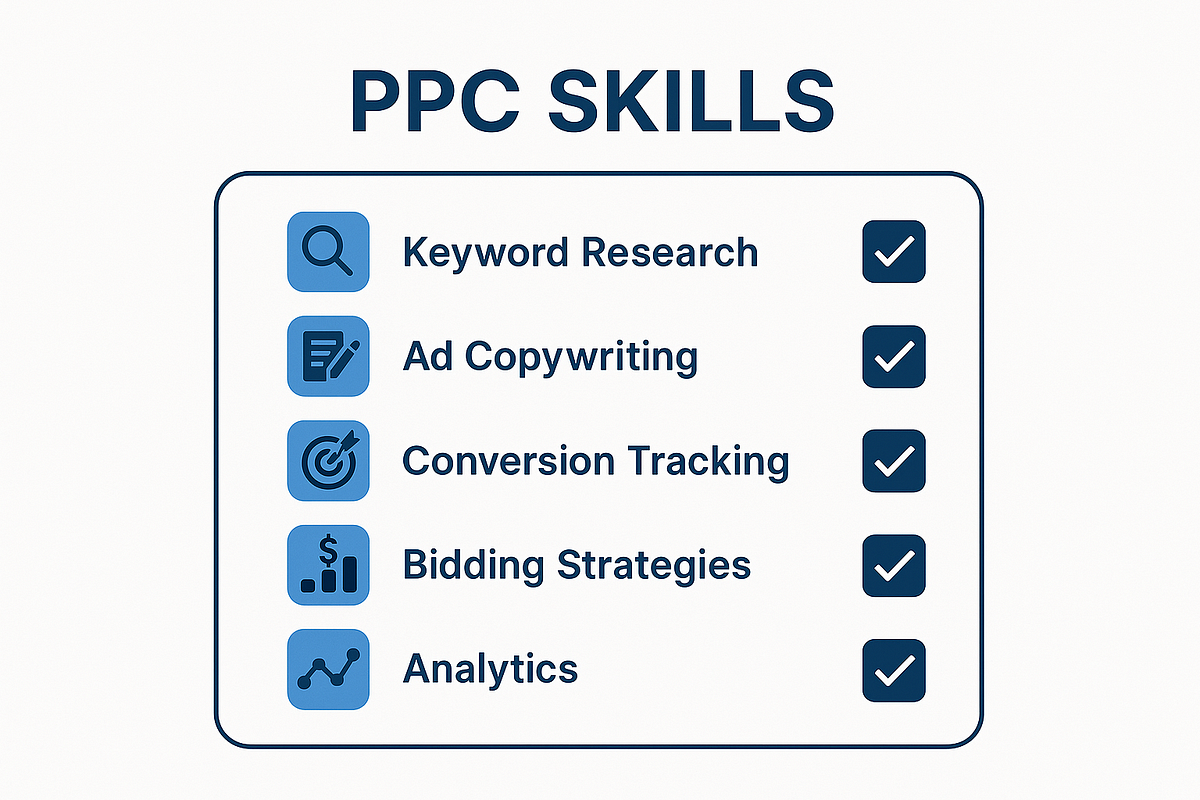
A good beginner course doesn’t just teach “which buttons to click.”
It teaches:
- How to think strategically
- How to troubleshoot
- How to adapt to new changes
- How to build systems instead of tactics
A poor course? It teaches you how to follow instructions… until the next update breaks everything.
My Background (So You Know Where This Advice Comes From)
Before I explain how beginners should choose a training program, here’s the quick version of my experience:
✔ 6 years running Google Ads
✔ Managed 20+ clients in e-commerce, local services, and SaaS
✔ Delivered case studies with 4× ROAS for multiple clients
✔ Helped one business increase revenue from $56k to $100k within a month using optimized Google Shopping
✔ Personally taken Google’s certifications and several private training programs
✔ Seen first-hand what makes a student succeed — and what causes them to give up
I’ve been through the great courses… and the terrible ones.
So let’s break down what really matters.
1. A Great Beginner Program MUST Include These Core Essentials
Not all PPC training programs are created equal. From my experience, the best beginner programs include:
✅ 1. A Clear, Beginner-Friendly Structure
No one should start with conversion tracking or Performance Max.
A beginner-focused program teaches:
- How Google Ads works
- The auction system
- Account structure
- Search campaigns basics
- Keyword strategy
- Writing effective ads
Before anything advanced.
✅ 2. Real, Practical, Hands-On Assignments
Theory is worthless without action.
Beginners learn 5× faster when they practice inside a real or demo Google Ads account.
✅ 3. In-Depth Coverage of Google Search (The Foundation)
Search is the core skill.
Shopping, PMAX, and YouTube come later.
✅ 4. Step-by-Step Tutorials (Not Random Clips)
You want a curriculum — not a playlist.
✅ 5. Real Feedback From a Mentor or Community
Most beginners get stuck not because they’re bad, but because they have no one to review their keywords, ads, or structure.
2. The Biggest Mistakes Beginners Make When Choosing a Course
After seeing dozens of new learners start their PPC journey, these are the most common mistakes:
❌ 1. Choosing a course that’s too advanced
Beginners often jump into courses about:
- Scaling
- Automation
- High-budget strategies
- Performance Max
- Bid management tools
Before understanding the basics.
This creates confusion and wasted ad spend.
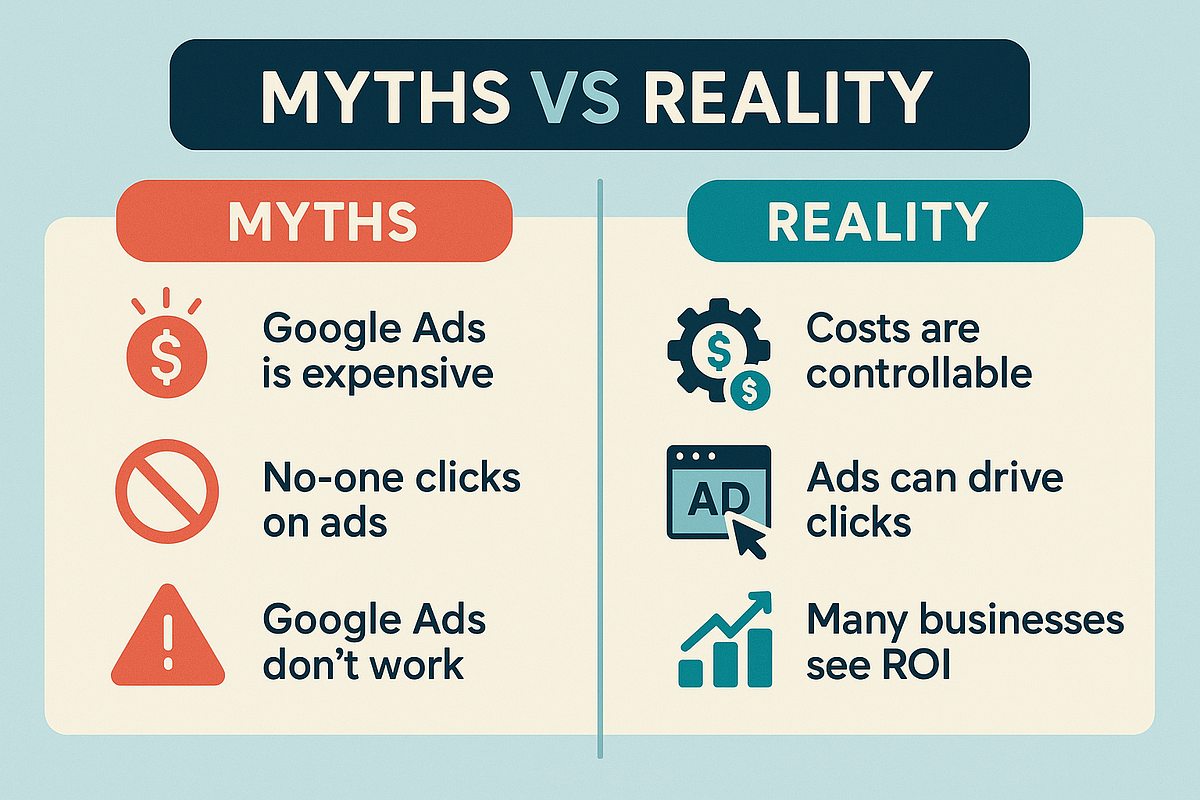
❌ 2. Looking for “hacks” instead of fundamentals
Real PPC success is built on:
- Search intent
- Keyword matching
- Strong account structure
- Split-testing ads
- Solid tracking
No hack can replace core skills.
❌ 3. Picking a course with zero hands-on practice
Google Ads is not something you learn by listening.
You learn by doing.
❌ 4. Choosing courses made by “gurus” instead of practitioners
Always check:
Does the instructor actually run real campaigns today?
Not five years ago.
Now.
3. Should You Start With Free Google Resources or Paid Training?
Here’s the truth:
Google’s free content is great for:
- Understanding definitions
- Learning the interface
- Preparing for certifications
But it’s NOT great for:
- Real-world strategy
- Troubleshooting
- Step-by-step beginner guidance
- Knowing what to actually do to get results
If you want to save time (and avoid mistakes), a structured beginner-friendly paid program is a smart investment.
4. Why Mentorship, Feedback, and Community Matter So Much
Beginner students who succeed almost always have access to at least one of the following:
- Someone who can review their campaigns
- A community where they can ask questions
- Examples of real-world accounts
The ones who struggle?
They try to figure everything out alone.
Google Ads has too many variables to “wing it” as a beginner.
5. Which Format Works Best for Beginners?
From my experience mentoring and observing new learners:
⭐ Best Formats for Beginners
- Over-the-shoulder video walkthroughs
- Practical assignments
- Templates (keywords, ads, checklists)
- Live Q&A calls
- Access to a real or sandbox Google Ads account

⚠️ Not Ideal for Beginners
- Long theoretical lectures
- Text-only lessons
- Courses that skip foundational concepts
- One-and-done video libraries without support
6. Budget: What Beginners Should Expect to Pay
A quality beginner Google Ads course typically costs:
💰 $200 — $600 for a solid introductory foundation
💰 $700 — $2,000 if it includes coaching or mentorship
Anything cheaper is usually:
- Outdated
- Too basic
- Missing support
- Made for mass consumption instead of real learning
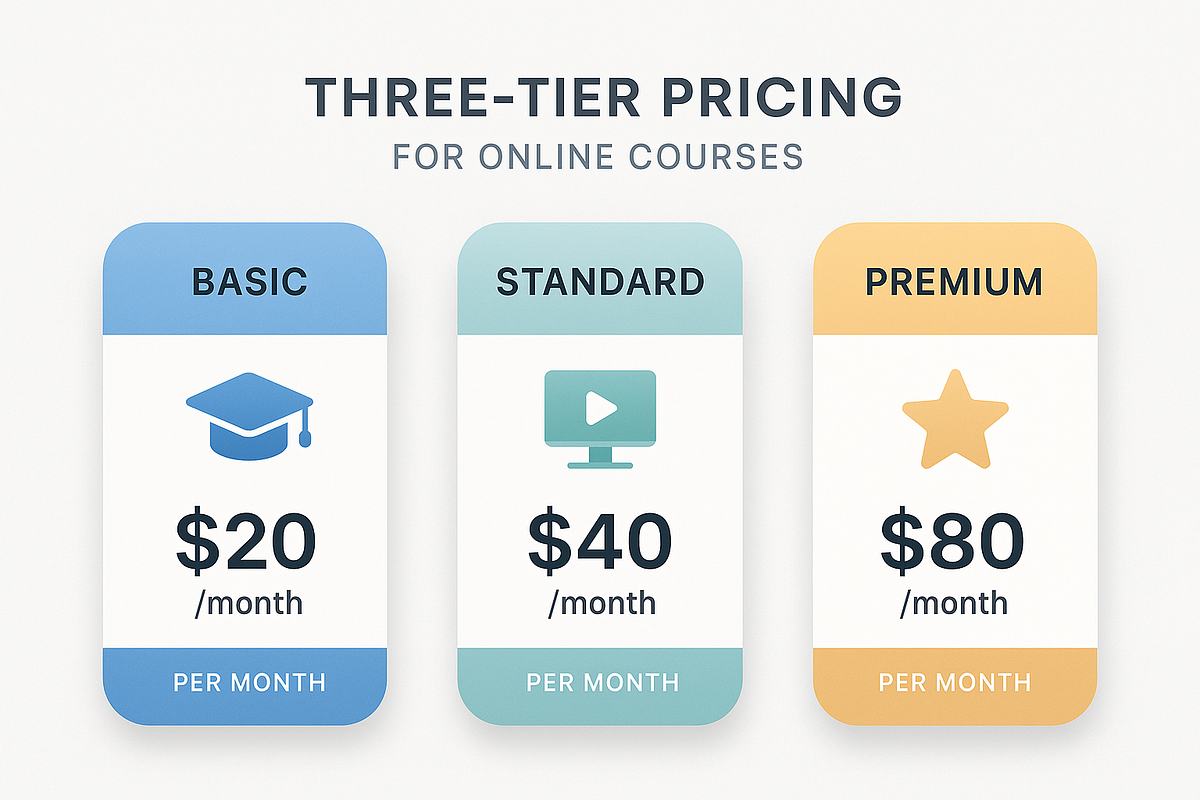
And anything overly expensive (> $3,000) rarely offers beginner-level value.
7. Should Beginners Use a Real Google Ads Account?
Absolutely — if possible.
Hands-on practice accelerates learning more than anything.
Even a low-budget test campaign (like $5/day) teaches you:
- How auctions actually behave
- What keywords trigger which queries
- How does the quality score react
- How to diagnose performance issues
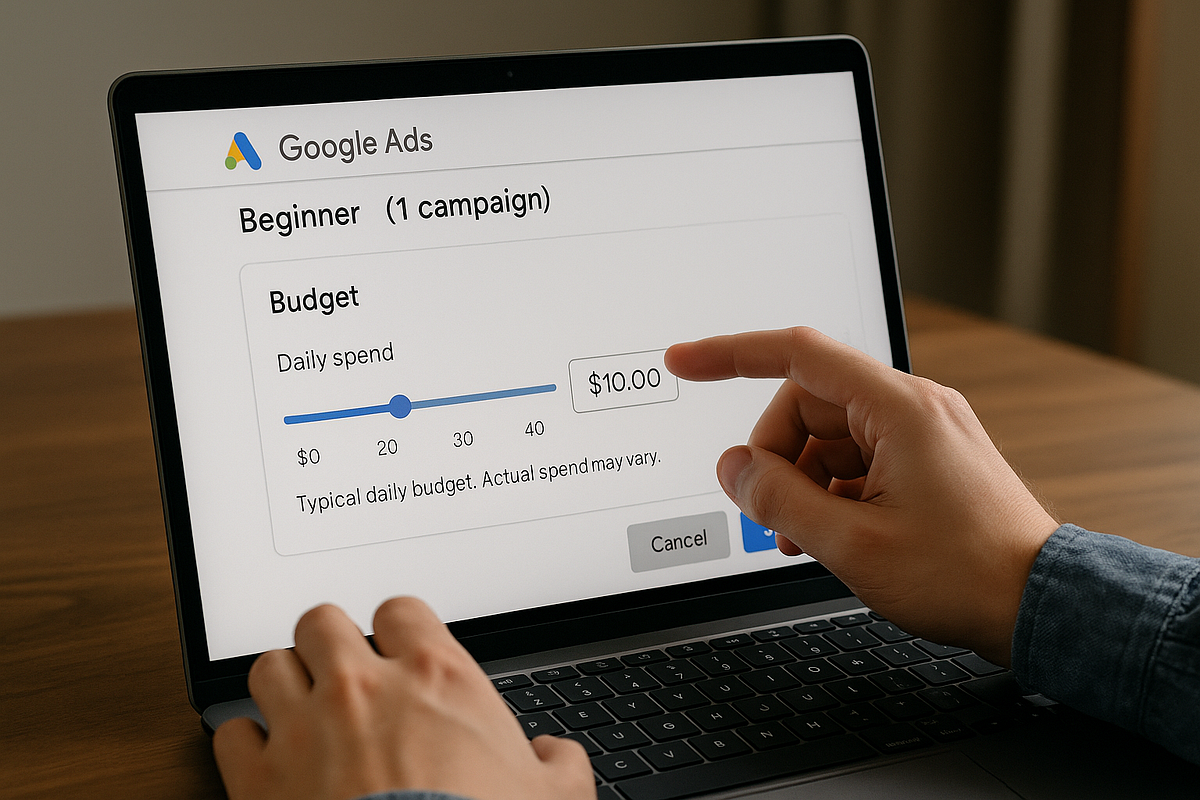
Sandbox accounts are okay…
But real data is life-changing for learning.
8. A Universal Course vs. Specialized Course — Which Is Better?
Beginners benefit most from a universal foundational program.
Once you understand the core mechanics, you can specialize in:
- Freelancing
- E-commerce
- Local services
- Lead generation
- Google Shopping
- YouTube ads
- Performance Max
Start broad — niche down later.
9. Red Flags to Watch Out For (Run Away Fast If You See These)
🚩 The instructor hasn’t managed recent PPC campaigns
🚩 The course promises “quick results” or “secrets.”
🚩 No real student reviews
🚩 No community or live support
🚩 No content on search fundamentals
🚩 Outdated interface screenshots
🚩 Only theory — no practical walkthroughs
If a course checks even two of these boxes, avoid it.
10. The Biggest Misconceptions Beginners Have About Google Ads
These are the beliefs that hurt beginners the most:
- “Google Ads works instantly.”
- “You just need the right keywords.”
- “Automation will take care of everything.”
- “Cheap courses are good enough.”
- “I don’t need to understand data; I can copy a setup.”
- “Once my campaign is set up, I don’t need to monitor it.”
Reality:
Google Ads is powerful, but you must understand the fundamentals and commit to continuous optimization.
11. What Separates Successful Students From Struggling Ones
After years of observing beginners, here’s the pattern:
⭐ Successful students
- Learn by doing
- Track every result
- Ask for help
- Stay patient
- Follow a structured system
❌ Struggling students
- Only watch videos without taking action
- Jump between tutorials
- Ignore the metrics
- Expect fast results
- Try advanced strategies too soon
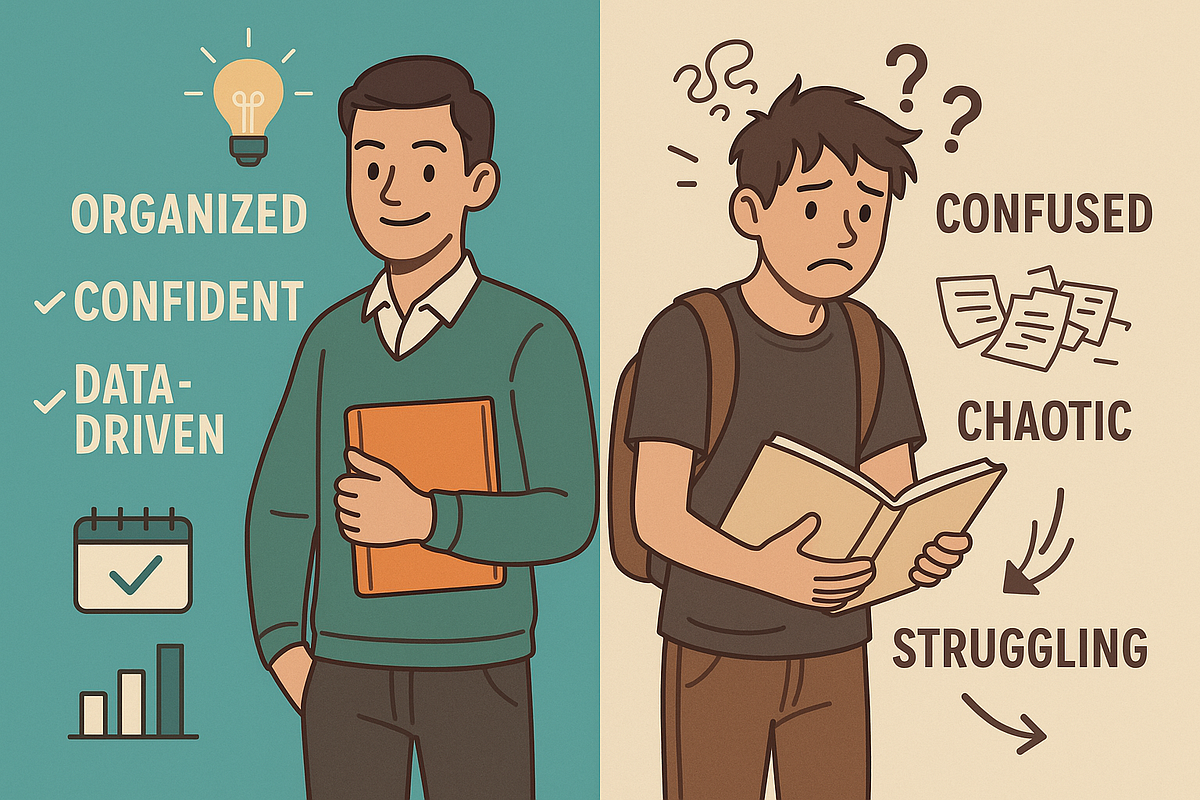
Success in Google Ads is not about being “smart.”
It’s about being consistent and data-driven.
Final Thoughts: Choose a Course That Builds Skills, Not Followers
A great beginner Google Ads PPC course should teach you how to think, experiment, and troubleshoot — not just how to press buttons.
If a course gives you:
- Structure
- Practice
- Mentorship
- Real examples
- Foundational strategy
…you’re setting yourself up for long-term success.
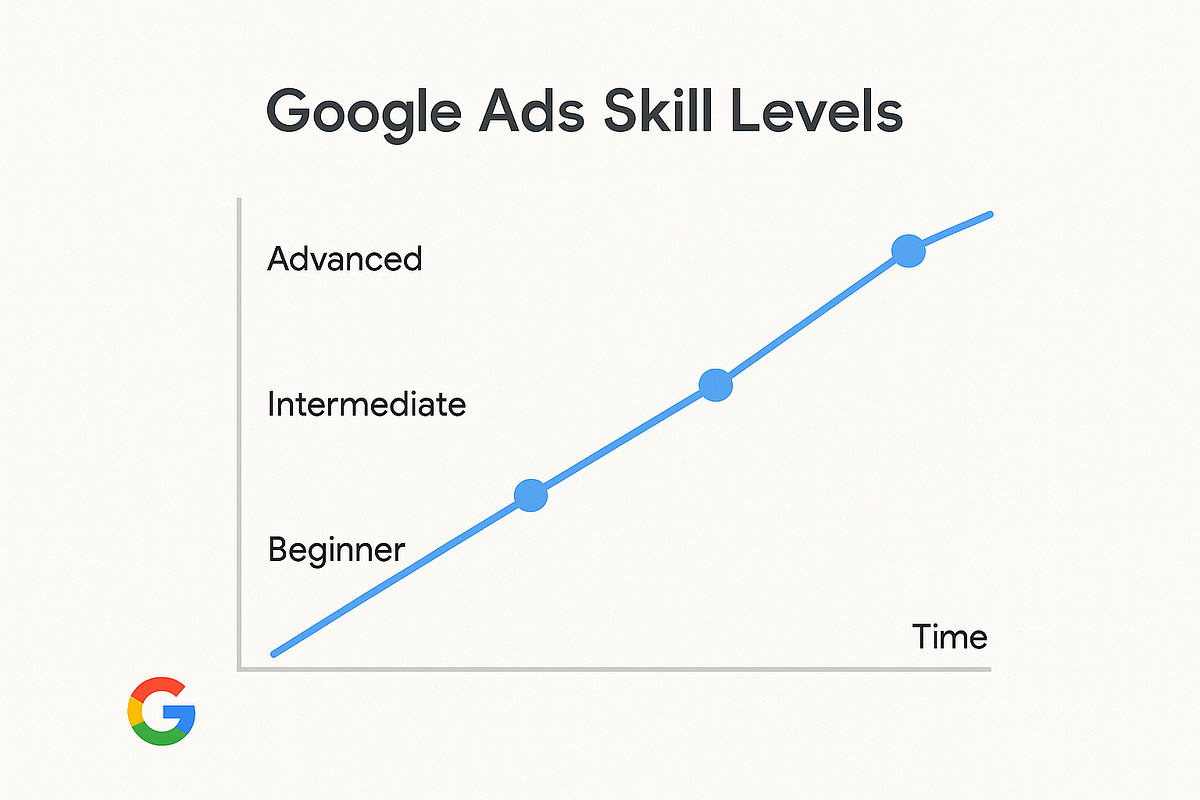
Google Ads is one of the most profitable digital marketing skills in the world — and with the right training, anyone can master it.


Comments
Post a Comment