FunnelCockpit: Centralized Funnel Analytics & Control
Why fragmented dashboards are silently killing funnel performance — and how centralized control changes everything
After more than eight years working hands-on with funnel strategy, automation architecture, and revenue optimization, one problem keeps resurfacing — regardless of industry, traffic source, or funnel type:
Funnel data is fragmented, attribution is unreliable, and decisions are made with partial information.
I primarily work with agencies, info-product creators, and service-based online businesses running multi-step funnels across multiple tools — ad platforms, page builders, email automation, CRMs, and payment providers. And as funnels become more sophisticated, visibility often gets worse, not better.
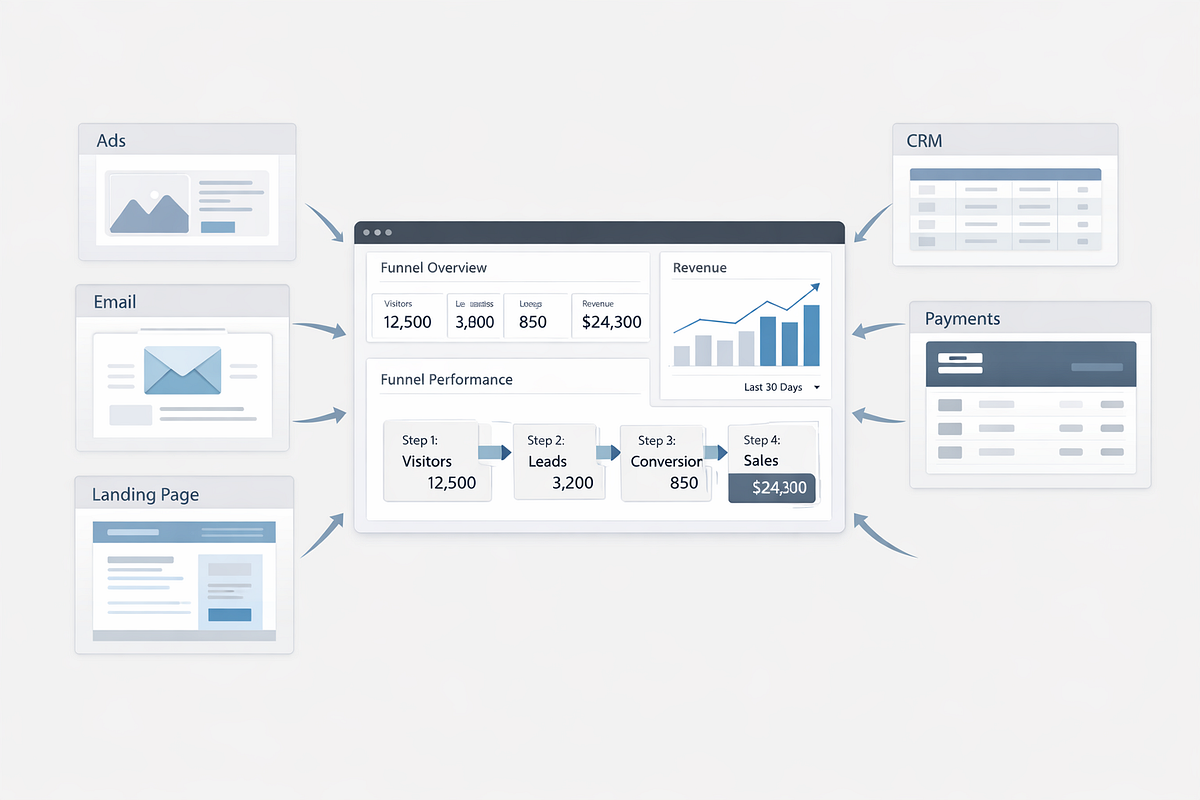
This is the context in which I started evaluating — and later using — FunnelCockpit. Not as a founder or affiliate, but as a consultant who lives inside complex funnel setups and needs data that is decision-ready, not just “available.”
This article is not a sales pitch. It’s a practical, experience-driven analysis of why centralized funnel analytics and control matter, where most tools fall short, and how FunnelCockpit approaches the problem differently.
The Real Funnel Analytics Problem (It’s Not a Lack of Data)
Most businesses don’t suffer from insufficient tracking. They suffer from too much disconnected tracking.
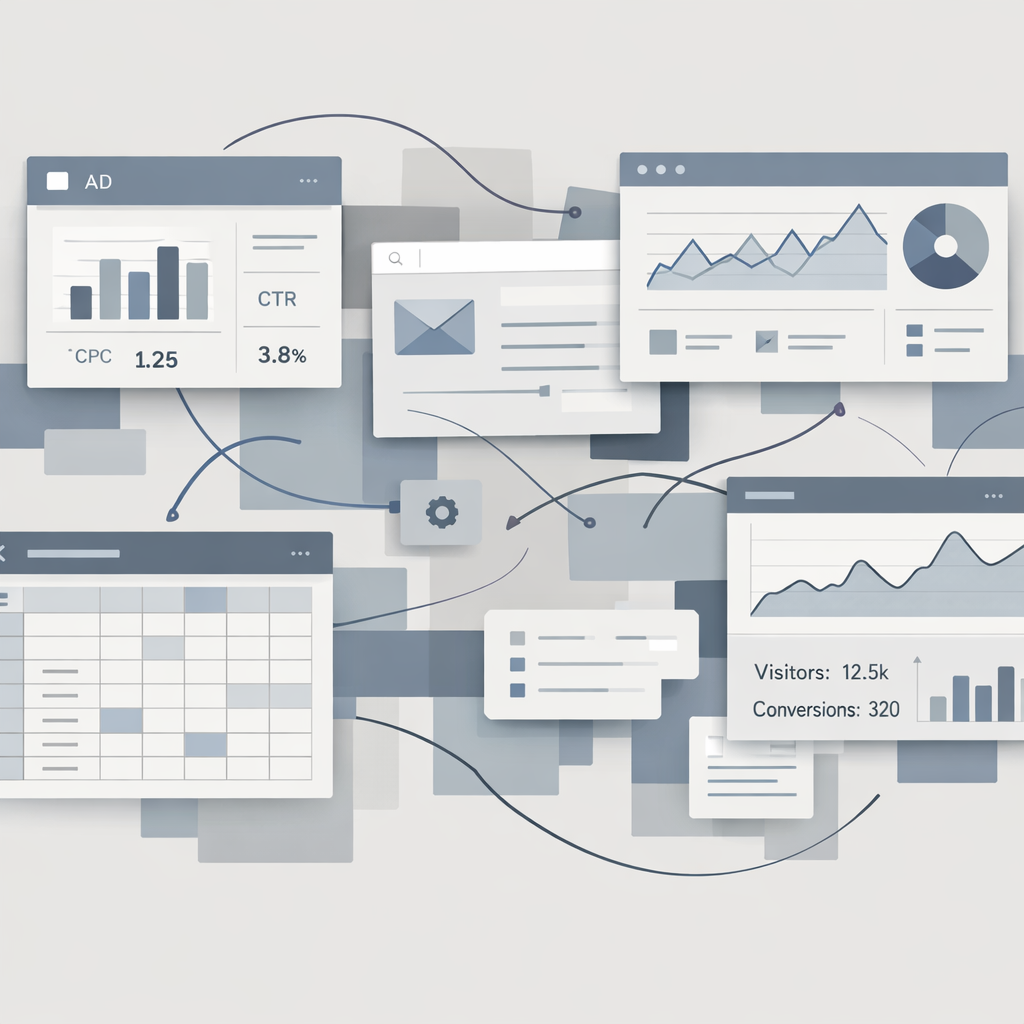
A typical pre–FunnelCockpit setup looks like this:
- Google Analytics (UA or GA4) for traffic and events
- Meta / Google Ads dashboards for spend and clicks
- Funnel builders like ClickFunnels or WordPress for page conversions
- Email tools like ActiveCampaign or KlickTipp for opens and automation
- CRMs for contacts and deals
- Spreadsheets to manually stitch everything together
Each tool works reasonably well in isolation. The problem is architectural.
What breaks down in practice
- No single source of truth
Every platform reports success differently, leading to conflicting numbers and internal debates. - Event-level metrics without funnel context
Clicks, opens, and form submissions exist — but not tied cleanly to revenue. - Delayed insights
By the time spreadsheets are reconciled, ad spend has already been wasted. - Misleading attribution
Last-click or platform-biased models distort which steps actually drive sales.
The result?
Teams optimize activity instead of performance.
Or, more bluntly:
Clicks don’t pay the bills — revenue does.
Where Most Funnel Tools Overpromise (and Underdeliver)
Most funnel platforms claim “end-to-end visibility” or “all-in-one analytics.” In reality, they solve isolated problems very well and funnel-level clarity very poorly.
Common gaps I see repeatedly:
- Surface-level dashboards that report activity, not profitability
- Attribution models that favor the platform providing the data
- Siloed insights (email performance here, page performance there)
- No operational control layer — you can see problems but not act centrally
- Reporting that collapses once multiple funnels, offers, or clients are involved
Most tools are good at showing what happened, not what to fix next.
This is where FunnelCockpit’s positioning becomes interesting.
What FunnelCockpit Actually Is (and Is Not)
In one sentence:
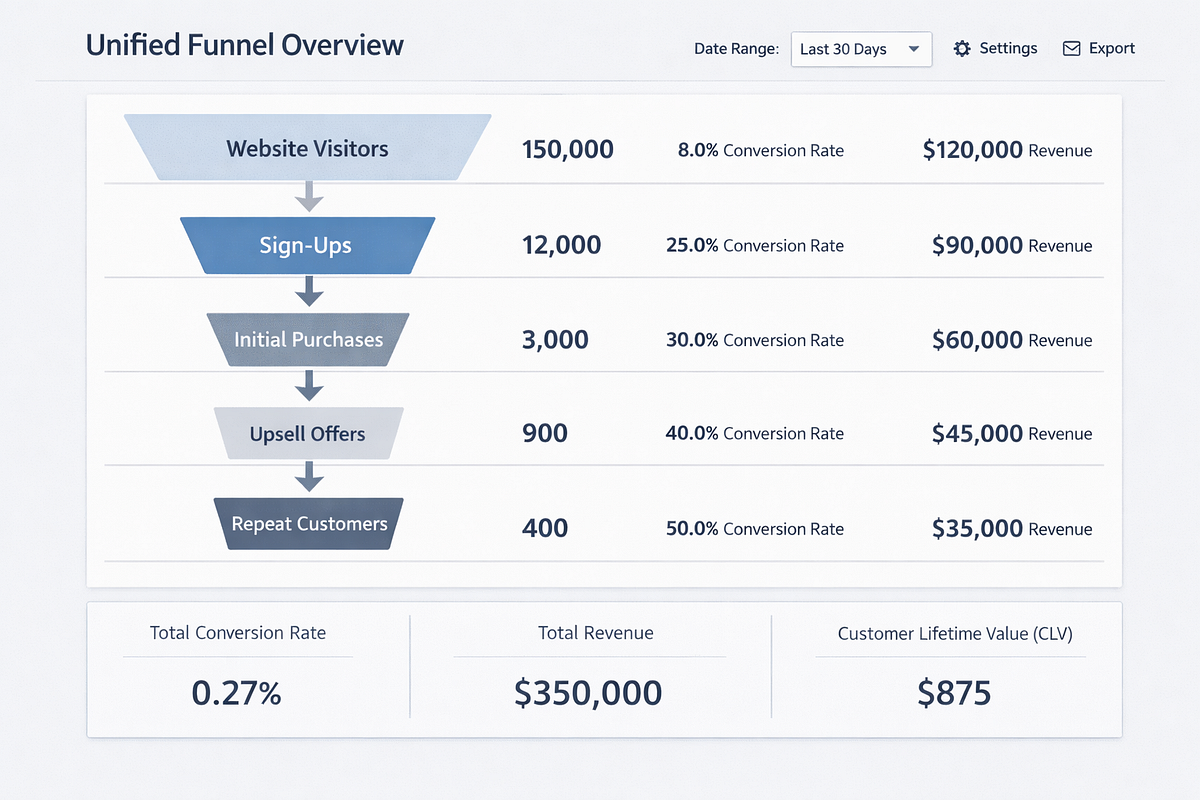
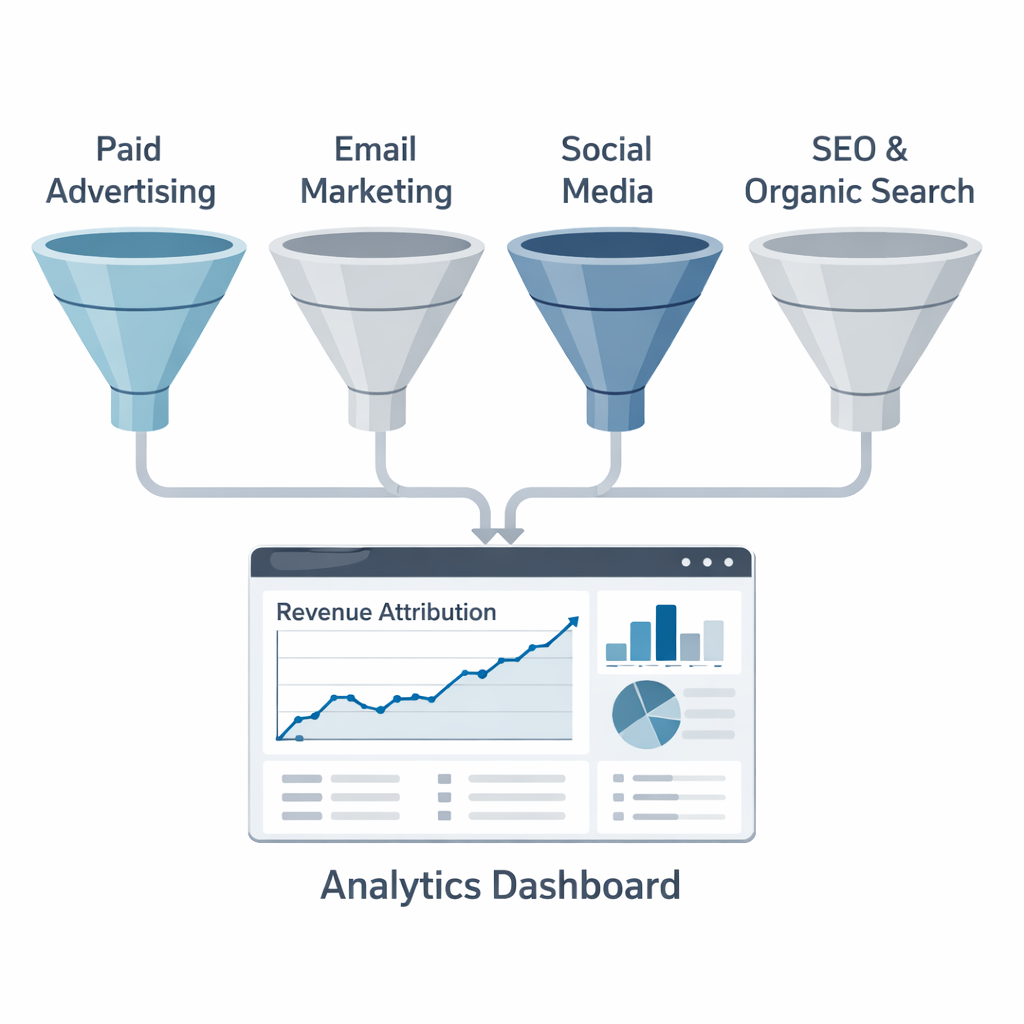
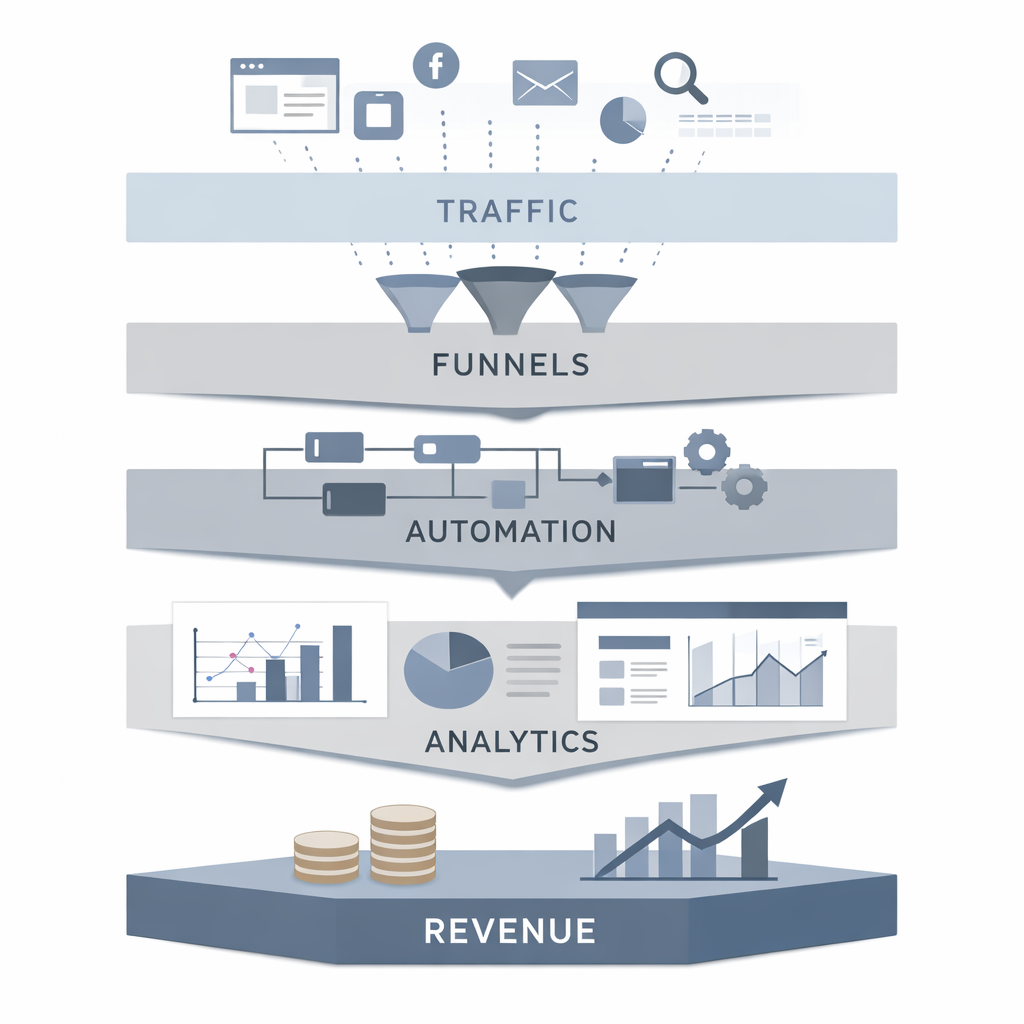
FunnelCockpit is a centralized control and analytics layer that turns fragmented funnel data into revenue-driven decisions.
It’s important to be clear about what it doesn’t try to do — because that restraint is a strength.
What FunnelCockpit intentionally avoids
- It’s not a generic enterprise CRM replacement
- It’s not a full CMS for content-heavy websites
- It doesn’t manage ad campaigns itself
- It’s not a large-scale ecommerce platform
By refusing to do everything, FunnelCockpit avoids the feature bloat that plagues many “all-in-one” tools and stays focused on funnels, automation, analytics, and control.
Centralized Funnel Control: Why It Changes Decision-Making
Fragmented tools force marketers into reactive behavior. Centralized control enables deliberate optimization.
Here’s what changes when analytics and control live in one place:
1. A single source of truth
Traffic, leads, automation, and revenue are viewed together — eliminating contradictory reports.
2. Faster, more confident decisions
You immediately see which funnel steps are leaking revenue and which deserve optimization priority.
3. Attribution that reflects reality
Instead of last-click bias, you understand how campaigns, emails, and funnel steps contribute to sales.
4. Operational efficiency
Insights and actions are no longer separated by five dashboards and a spreadsheet.
In practice, centralized control replaces guesswork with clarity.
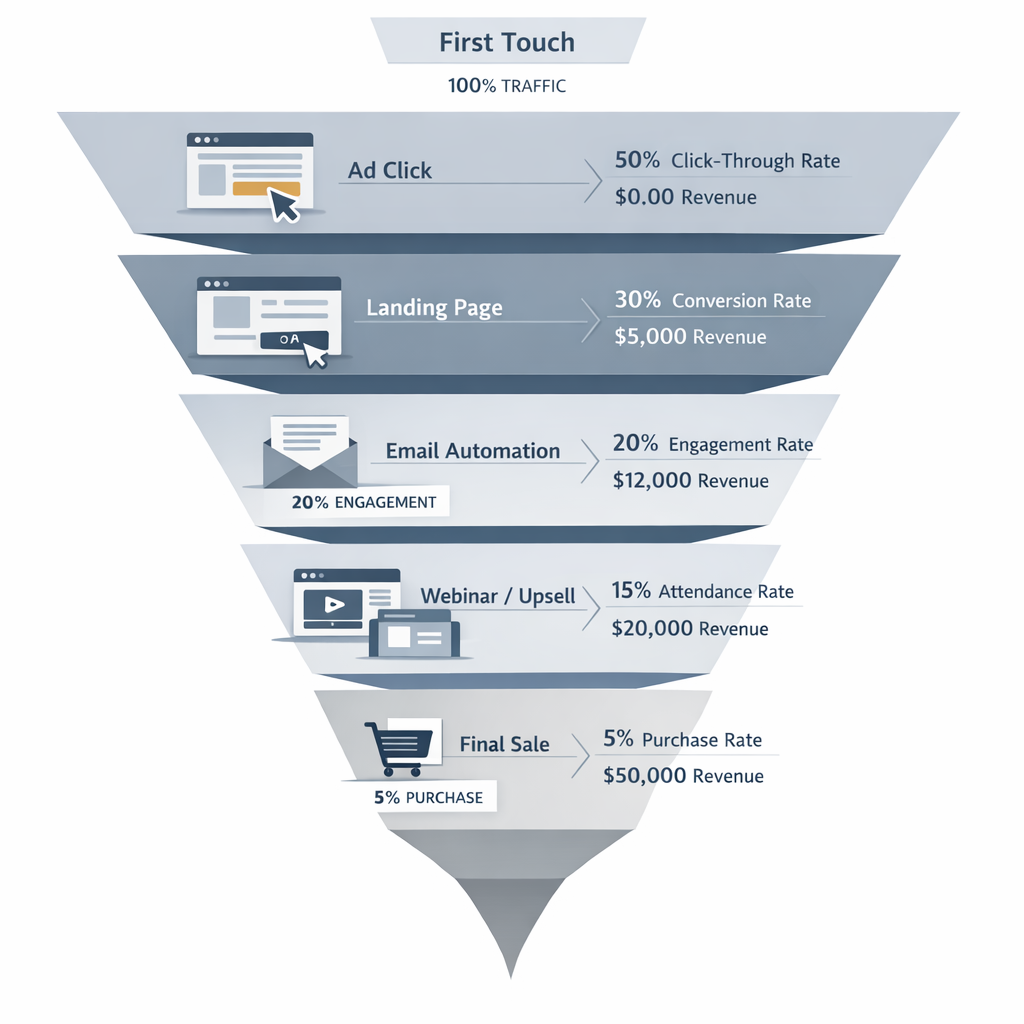
Metrics That Actually Matter (and Are Usually Ignored)
Most analytics tools emphasize activity metrics. FunnelCockpit emphasizes impact metrics.
The difference is subtle — but critical.
Key metrics FunnelCockpit surfaces effectively:
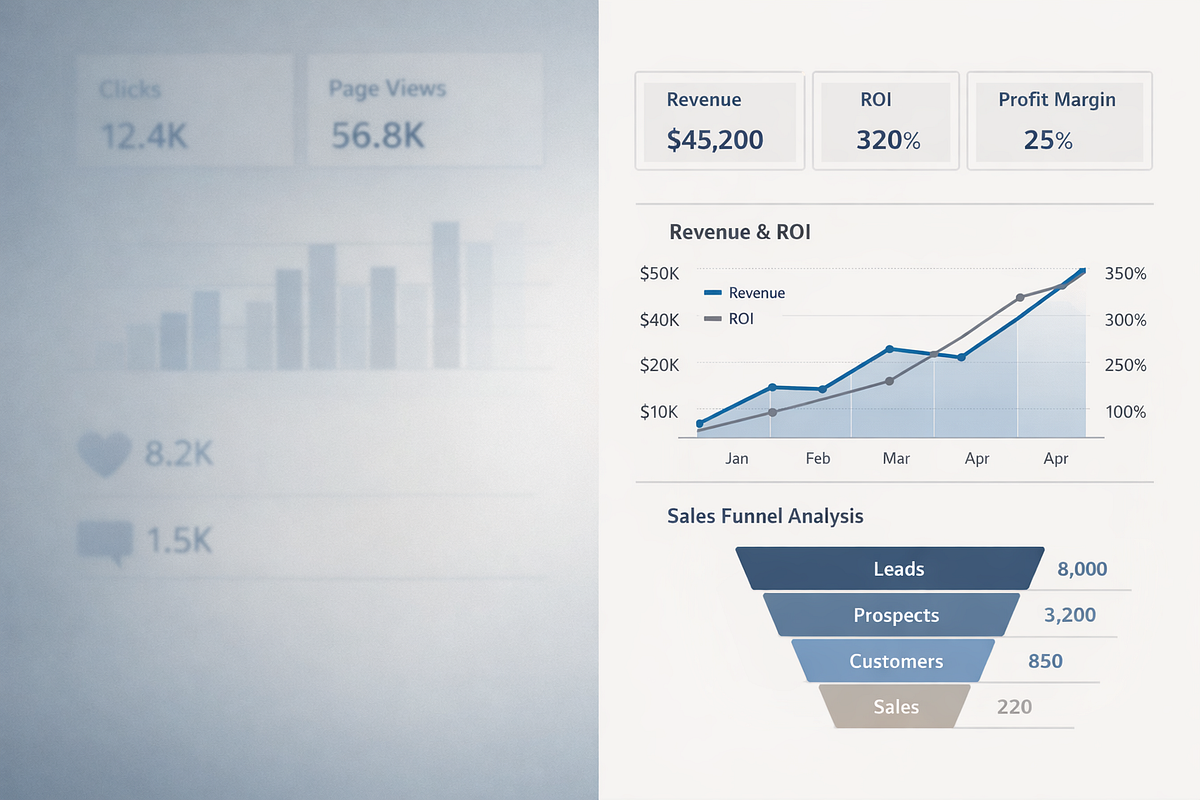
- Revenue and ROI per funnel step
Not just “did it convert,” but did it make money? - Cross-funnel conversion paths
Users rarely move through a single funnel in isolation. - Behavior-based engagement signals
Heatmaps, interaction tracking, and engagement scoring are tied to outcomes. - Cohort and segmentation insights
Identify which behaviors and sources correlate with high-value customers. - Revenue-linked drop-off points
Know exactly where lost conversions are costing real money.
Most tools track clicks. FunnelCockpit tracks the dollars behind those clicks.
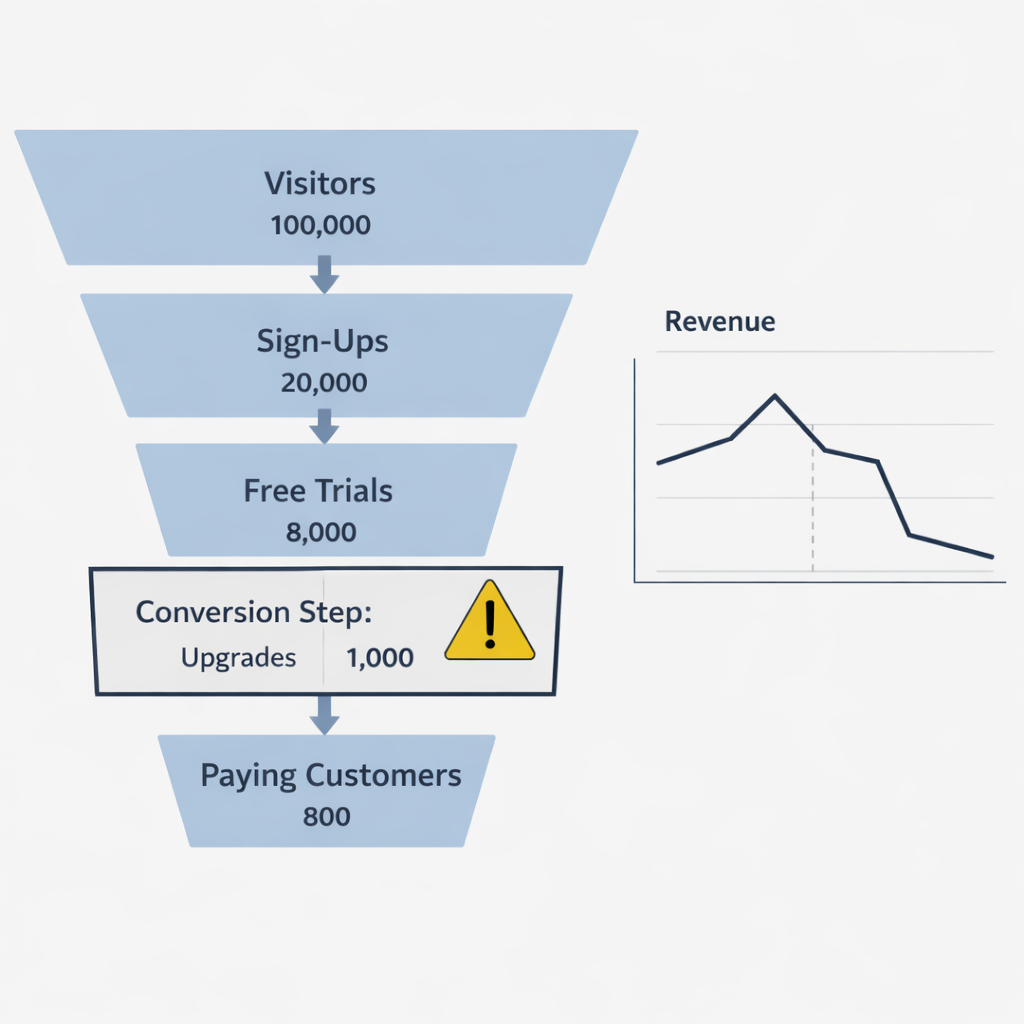
Real-World Case Studies: What Centralized Visibility Reveals
Case Study 1: High Traffic, Low Revenue (Hidden Automation Failure)
Starting situation
- 5,000+ monthly visits to a landing page
- Healthy traffic metrics
- Unclear revenue per lead
What FunnelCockpit revealed
- Massive drop-off inside an email automation sequence
- Broken links are delaying the conversion path
Action taken
- Fixed sequence logic and link flow within 48 hours
Result
- Conversion rate increased from 4% → 6.5%
- Revenue increased 35% in the first week
This issue was invisible in traditional analytics. Centralized funnel tracking made it obvious.
Case Study 2: Multi-Funnel Attribution Confusion
Starting situation
- The coaching business is running three funnels simultaneously
- Ads, emails, and pages are tracked separately
- ROI unclear
Action taken
- Unified all funnels inside FunnelCockpit
- Analyzed cross-funnel attribution
Result
- One low-cost ad source produced 40% of paying customers
- Budget reallocated
- ROAS increased 25% within one month
Fragmented dashboards masked profitability. Centralized analytics exposed it.
Case Study 3: Membership Upsell Optimization
Starting situation
- Course with a post-purchase membership upsell
- Unexpected drop-offs after checkout
What FunnelCockpit surfaced
- Slow mobile load time on the upsell page
Action taken
- Mobile optimization + copy refinement
Result
- Upsell conversion increased from 12% → 22%
- Additional $4,500/month in recurring revenue

The Surprising Pattern Across These Results
What consistently surprised me wasn’t that improvements were possible, but how small issues caused disproportionate revenue loss.
- One broken link
- One misconfigured automation
- One slow-loading page
Fragmented analytics allow these leaks to persist silently for months. Centralized visibility exposes them immediately.
My Contrarian View on Funnel Analytics
Most marketers misunderstand funnel performance because they obsess over the wrong metrics.
Common misconceptions:
- Clicks equal success
- Funnels are isolated systems
- Attribution is obvious
- Engagement signals equal intent
They don’t.
The biggest mistake isn’t a lack of data — it’s trusting incomplete data.
Centralized funnel analytics force accountability. When revenue is visible at every step, vanity metrics lose their power.
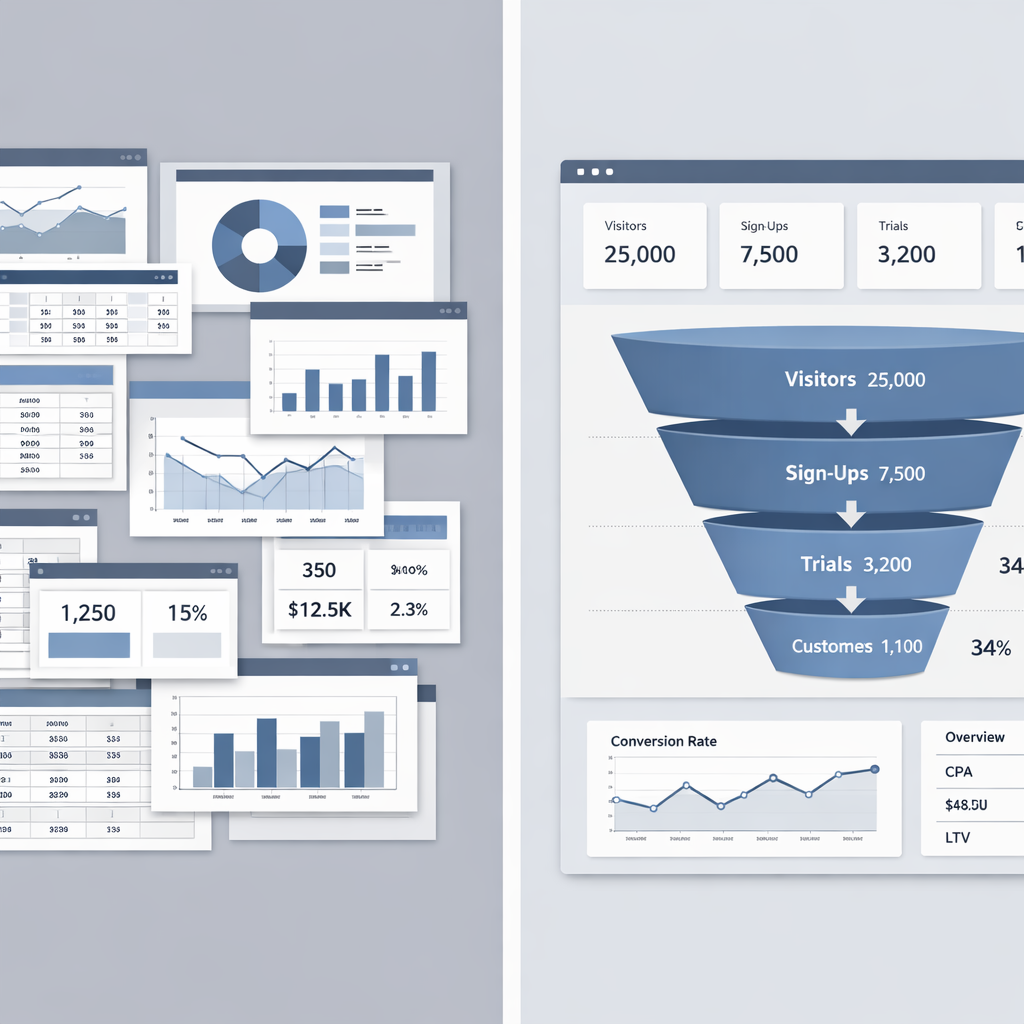
What Ignoring Centralized Analytics Costs Long-Term
In the short term, fragmented analytics feel manageable. Long term, they’re expensive.
The real costs:
- Wasted ad spend on underperforming campaigns
- Revenue leaks that compound silently
- Slow, reactive optimization cycles
- Unclear ROI that limits scaling decisions
Ignoring centralized funnel control is like flying blind: you may stay airborne, but growth will always be constrained.
Who FunnelCockpit Is Best Suited For
Based on real-world use, FunnelCockpit fits best when:
- Funnels span multiple tools and channels
- Revenue attribution matters more than vanity metrics
- Teams need decision-ready insights, not just dashboards
- Agencies require scalable, unified reporting
It’s not a beginner toy. It’s a control layer for serious funnel operations.
Final Takeaway: Stop Guessing, Start Knowing
FunnelCockpit doesn’t magically fix funnels. What it does is more valuable:
It makes funnels understandable, controllable, and accountable to revenue.
If you’re managing complex funnels and still relying on fragmented dashboards and spreadsheets, the question isn’t whether centralized analytics would help — it’s how much revenue opacity is already costing you.
In funnel optimization, clarity isn’t a luxury. It’s a competitive advantage.


Comments
Post a Comment