KlickTipp Unlocked: Advanced Automation Strategies
Most people don’t fail with KlickTipp because the tool is too complex.
They fail because they’re using the wrong mental model.
KlickTipp is not a newsletter tool. It is not a list manager. And it is not designed for “email #1, email #2, email #3” thinking.
KlickTipp is a logic-driven, behavior-based automation system. Once you understand that, the platform stops feeling complicated — and starts feeling predictable, scalable, and powerful.
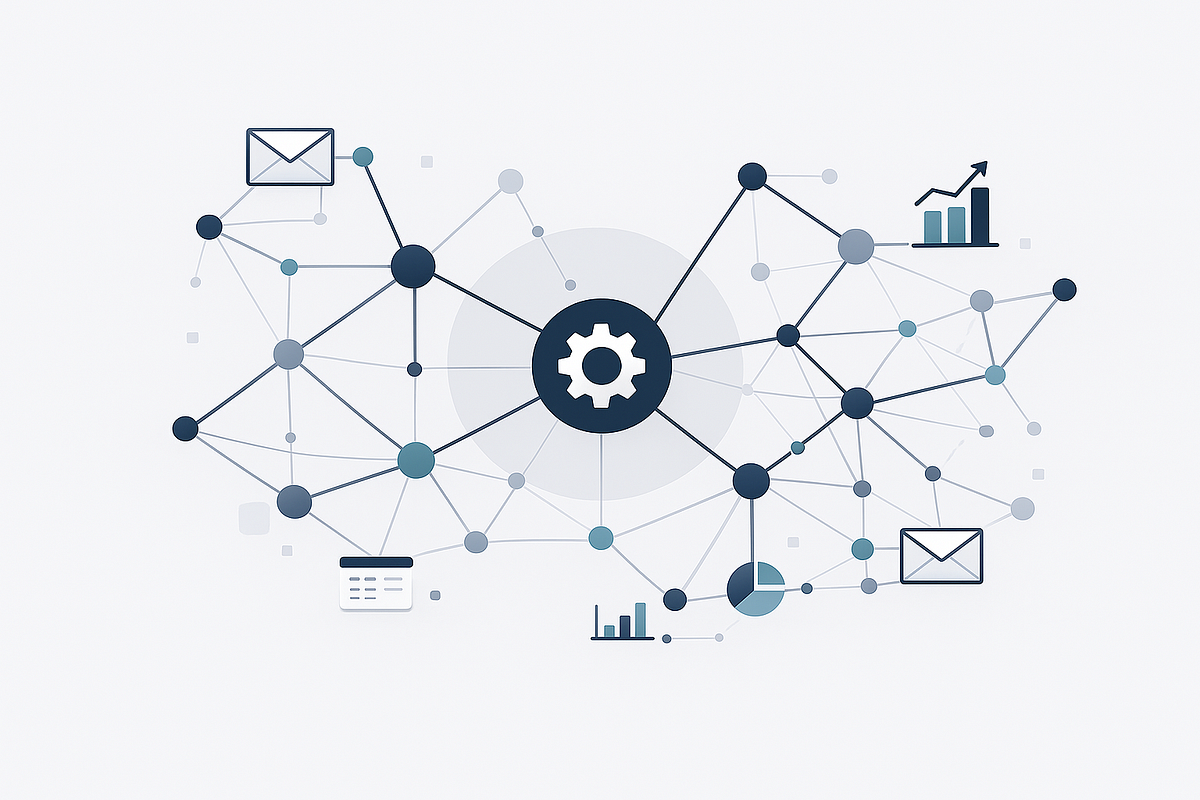
This article breaks down what KlickTipp is really good at, where it’s misunderstood, and how advanced users unlock results by treating it as long-term automation infrastructure rather than a campaign tool.
How I Work With KlickTipp (And Why That Matters)
I work with KlickTipp as a marketing automation strategist and long-term power user, not as a setup technician.
My focus is on designing conversion-driven, GDPR-compliant email systems that align with real customer journeys — especially for coaches, consultants, course creators, and service businesses with longer decision cycles.
That means I spend most of my time on:
- Scalable tag architectures
- Intent-based segmentation
- Event-driven automations
- Funnel and lifecycle logic
- Deliverability, engagement, and system hygiene
I don’t implement “one-click automations.”
I design systems that react to behavior, not time.
In practice, that puts KlickTipp at the intersection of:
- Email marketing
- CRM-style lifecycle tracking
- Funnel architecture
- Business operations
When KlickTipp is used this way, it becomes infrastructure — not just a sending tool.

The Biggest Misunderstanding About KlickTipp
The most common mistake I see is treating KlickTipp like a traditional list-based email tool.
People try to:
- Organize subscribers into lists
- Build linear funnels
- Focus on campaigns first
- Send emails based on timing instead of intent
That approach almost guarantees frustration.
KlickTipp is built around tags, events, and logic, not lists. The moment you stop asking:
“What email should I send next?”
and start asking:
“What behavior should trigger the next action?”
The platform suddenly makes sense.
This is why some users think KlickTipp is “too complex,” when in reality they’re just applying the wrong framework.
What KlickTipp Is Exceptionally Good At
KlickTipp excels when precision, intent, and compliance matter more than visual polish.
1. Tag-Based Logic Instead of Static Lists
Tags represent behavior, context, and intent — not just origin. This allows subscriber journeys to adapt dynamically.

2. Event-Driven Automations
Automations trigger based on actions: clicks, form submissions, purchases, inactivity, or tag changes. This creates messaging that feels responsive, not robotic.
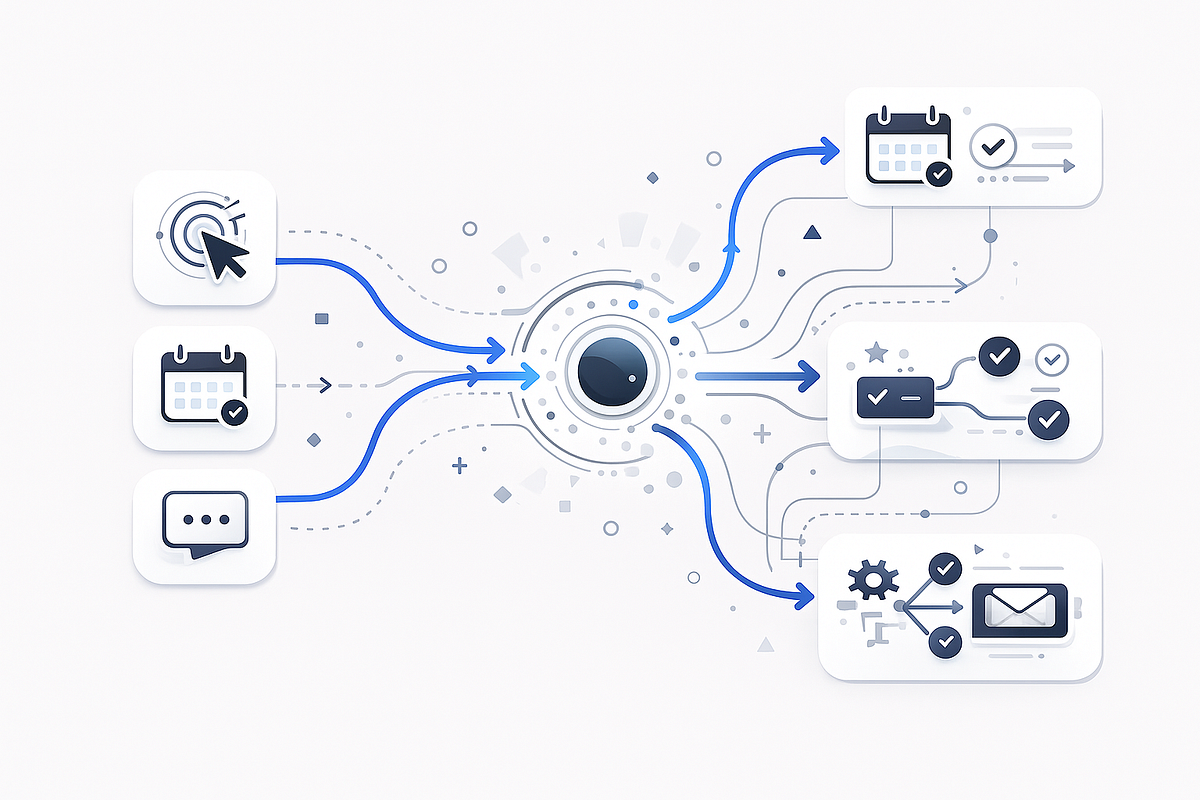
3. Clean, Auditable Data
Because everything revolves around tags, it’s always clear why someone receives an email. This improves targeting and reduces list fatigue.
4. GDPR-First Architecture
Consent tracking, double opt-in logic, and transparent contact histories are built in — not bolted on.
5. Scalability Without Chaos
As systems grow, list-based tools become fragile. KlickTipp’s logic-first approach scales cleanly over time.
KlickTipp shines when email is treated as a relationship and decision-support channel, not a broadcast mechanism.
Where KlickTipp Is Overhyped — or Misused
KlickTipp is powerful, but it’s not perfect.
It’s Overhyped as “Beginner-Friendly”
Conceptually, KlickTipp has a steep learning curve — especially for users coming from Mailchimp-style tools.
It’s Underpowered for High-Volume E-Commerce
If your business relies on frequent promotions, SKUs, and flash sales, tools like Klaviyo or Shopify Email are often a better fit.
It’s Commonly Misused as a Newsletter Tool
Using KlickTipp without automation is like buying a CRM and using it as an address book.
It’s Easy to Overengineer
Complex tag systems without a strategy lead to fragile automations that break over time.
KlickTipp works best when it’s treated as long-term infrastructure, not a quick marketing hack.
Real-World Case Studies: What “Unlocked” Looks Like
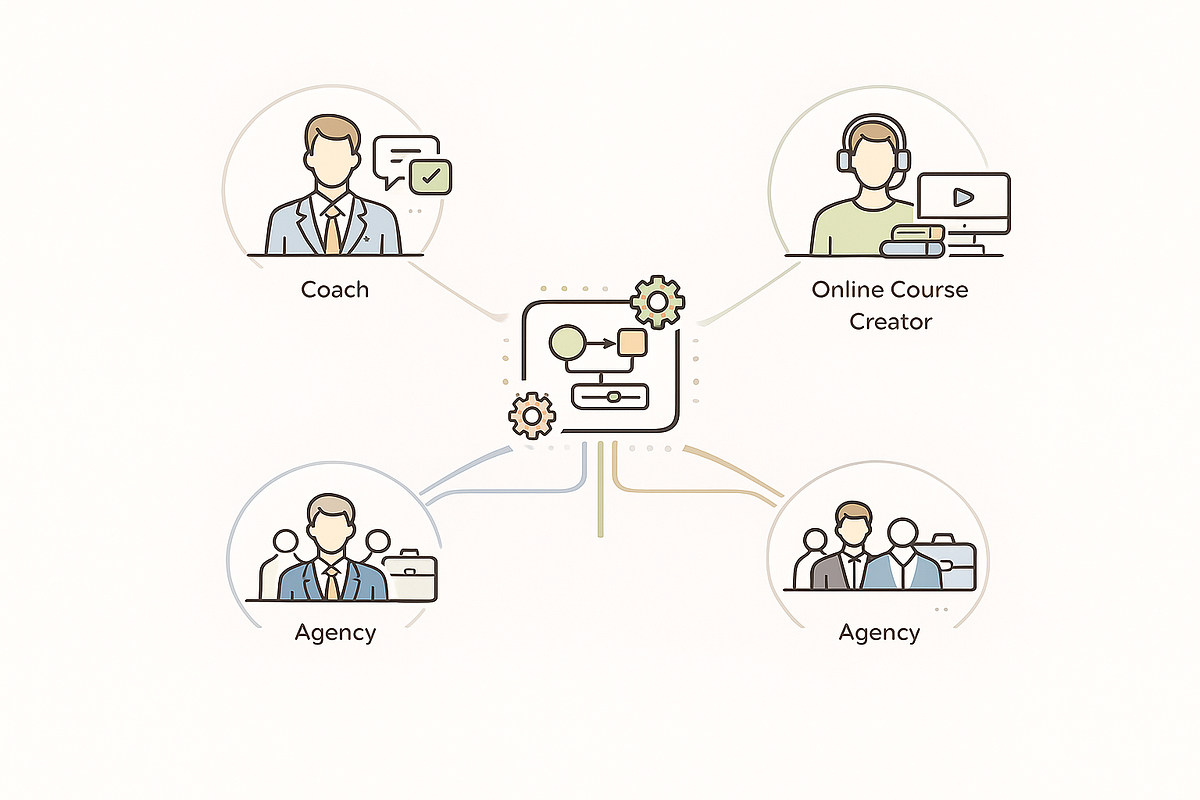
Case Study 1: Coach / Consultant
From Manual Follow-Ups to Predictable Conversions
- Open rates increased from ~25% to 40–45%
- Sales call bookings increased by 30–40%
- Manual follow-up time reduced by 70%+
Why it worked:
Follow-ups were based on intent, not time. Sales emails stopped automatically once a call was booked.
Case Study 2: Course Creator
Higher Engagement, Lower List Fatigue
- Open rates increased from ~22% to 35%+
- Unsubscribes during launches dropped by 40–50%
- Deliverability stabilized across campaigns
Why it worked:
Engagement-based tags ensured that promotional emails went only to subscribers who were still interested.
Case Study 3: Agency / Service Business
Automation as Internal Infrastructure
- Onboarding time reduced by 50%+
- Fewer missed handoffs and follow-ups
- Higher retention and client satisfaction
Why it worked:
KlickTipp was used as a logic layer for internal processes — not just marketing.
The Most Powerful Automation I’ve Built in KlickTipp
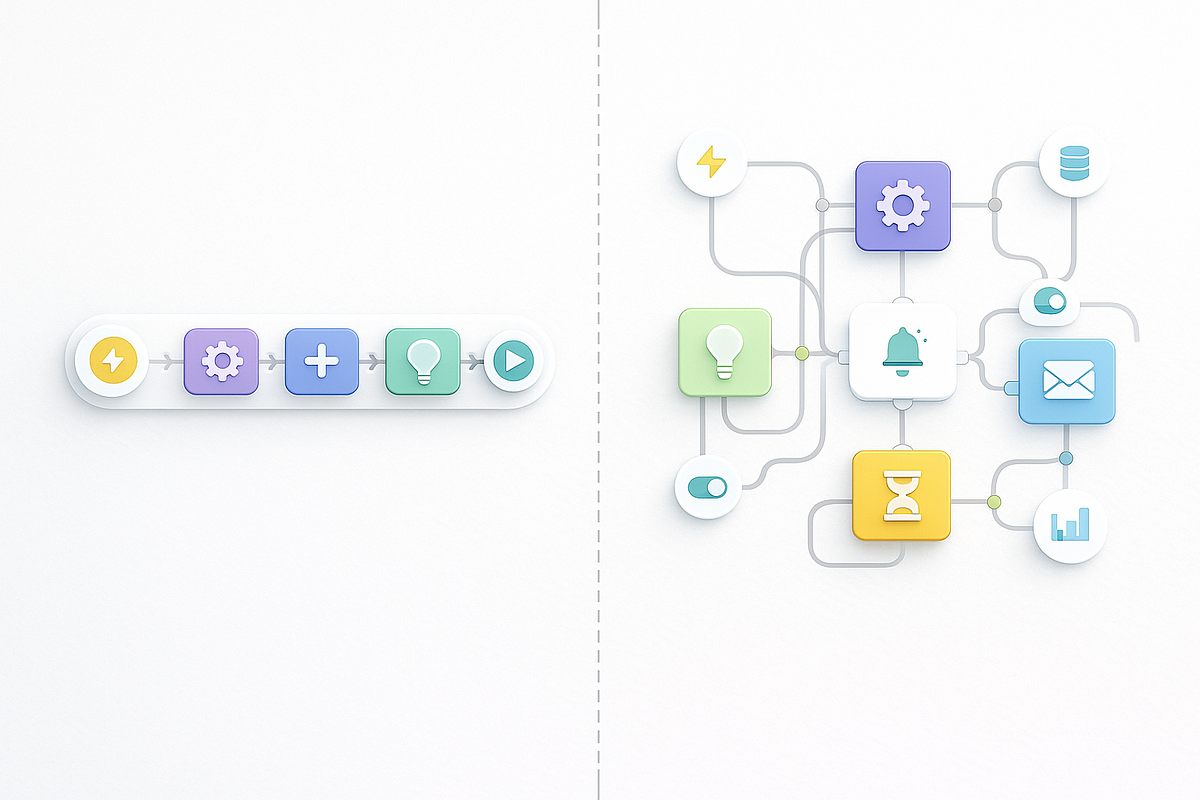
One of the most effective systems I’ve built replaces linear funnels with a modular, intent-based framework.
Core Components:
- Intent tags instead of numeric lead scoring
- Lifecycle tags (Lead → Engaged → Sales-Ready → Client)
- Event-triggered messaging, not schedules
- Reusable automation blocks, not monolithic funnels
Results:
- Higher engagement
- Fewer unsubscribes
- Easier maintenance
- Clear visibility into automation logic
KlickTipp makes this possible because its logic is explicit, auditable, and stable — even at scale.

Advanced KlickTipp Features Most Users Underutilize
- Tag combinations instead of single tags
- Strategic tag removal
- Event-based automations
- Temporary (“ephemeral”) tags
- Internal notifications and workflows
- Contact history for debugging and compliance
When used intentionally, KlickTipp becomes predictable instead of complex.
Common Mistakes Even Advanced Users Make
- Overengineering tag structures
- Ignoring lifecycle progression
- Treating sequences as linear
- Not testing multi-path journeys
- Ignoring internal automation use cases
Advanced automation succeeds when clarity beats cleverness.

When I Would Not Recommend KlickTipp
- High-frequency, SKU-heavy e-commerce
- Teams needing a full all-in-one CRM suite
- Users are unwilling to learn tag-based logic
- Organizations that require visual drag-and-drop workflows
KlickTipp is best for relationship-driven, intent-focused businesses.
The One Thing That Would Be Hardest to Replace
If KlickTipp disappeared tomorrow, the most challenging aspect to replicate would be its tag-first, behavior-driven automation logic, combined with GDPR transparency.
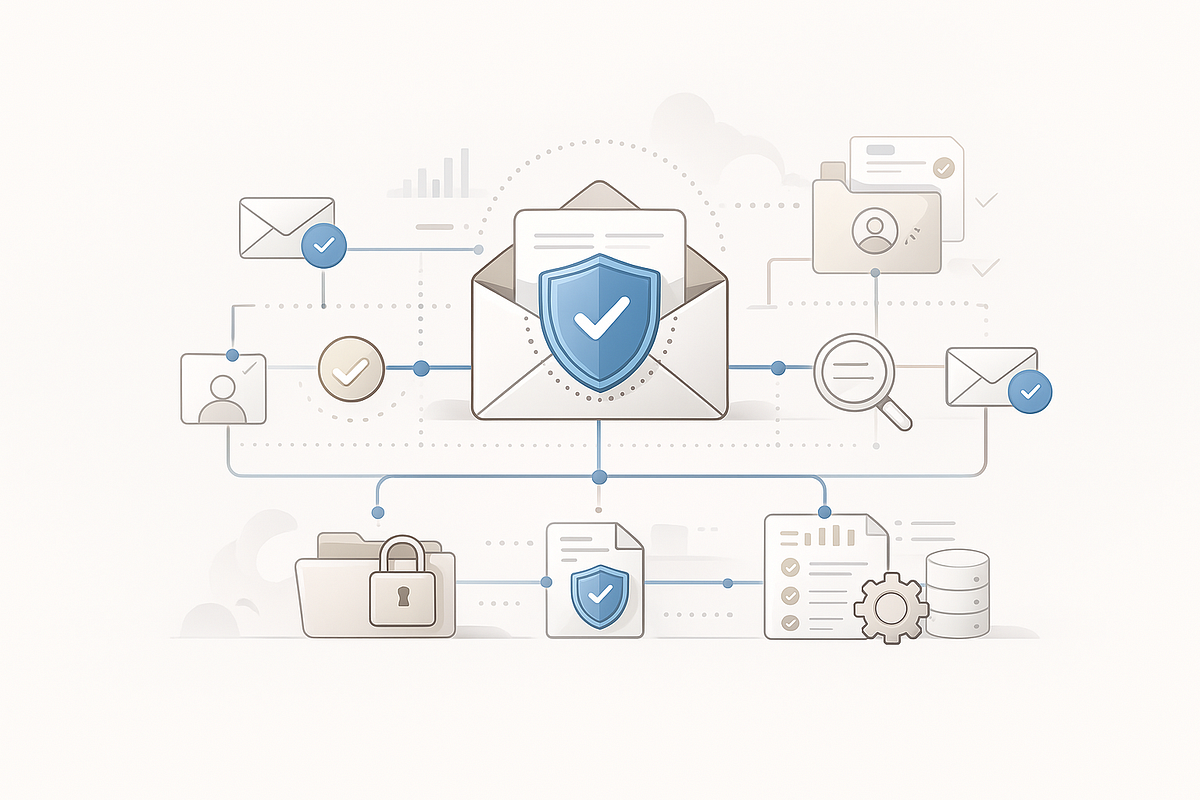
Most tools can send emails.
Very few make intent this explicit — and maintainable.
A Controversial Opinion KlickTipp Reinforces
More emails do not create more results.
Smarter automation does.
KlickTipp rewards relevance, timing, and restraint — not volume.
If I Could Influence KlickTipp’s Roadmap
I’d prioritize:
- A visual workflow builder
- Deeper automation analytics
- More native integrations
- Modular automation templates
- Improved onboarding guidance
None of these would replace KlickTipp’s core strength — only make it more accessible.
If You “Know KlickTipp” but Aren’t Seeing Results
Ask yourself:
- Are emails triggered by behavior or habit?
- Do tags reflect intent and lifecycle?
- Are you optimizing relevance — or volume?
KlickTipp delivers results when it’s used strategically, not mechanically.
Final Thought: What “KlickTipp Unlocked” Really Means
KlickTipp isn’t unlocked by mastering features.
It’s unlocked by adopting the right mental model.

When you treat KlickTipp as infrastructure — rather than a campaign tool — it becomes one of the most powerful, predictable, and scalable automation platforms available.
That’s when results follow.


Comments
Post a Comment