Mastering KlickTipp: From Email Tool to Behavioral Automation Engine
Most people don’t fail with KlickTipp because the software is too complex.
They fail because they misunderstand what KlickTipp is designed to do.
After several years of using KlickTipp across different roles — consultant, business owner, agency partner, and educator — I’ve seen the same pattern repeat: KlickTipp is treated like a traditional newsletter tool, when in reality it is a behavior-driven automation engine.
Mastering KlickTipp isn’t about knowing every feature.
It’s about designing systems that stay understandable, compliant, and scalable as a business grows.
This article explains how to do exactly that — based on real implementations, mistakes made (and fixed), and systems that continue to perform years after launch.
My Experience with KlickTipp (And Why It Matters)
I’ve worked with KlickTipp in four primary capacities:
- Marketing automation consultant, designing tag-based systems for coaches, consultants, and service businesses
- Business owner, running my own lead generation, onboarding, and customer nurturing funnels
- Agency partner, implementing KlickTipp for clients who needed scalable, GDPR-compliant automation
- Trainer and educator, helping beginners move from newsletters to behavior-based automation
Across these roles, I’ve built, migrated, optimized, or cleaned up 50+ real KlickTipp funnels, ranging from simple solopreneur setups to complex multi-offer systems.
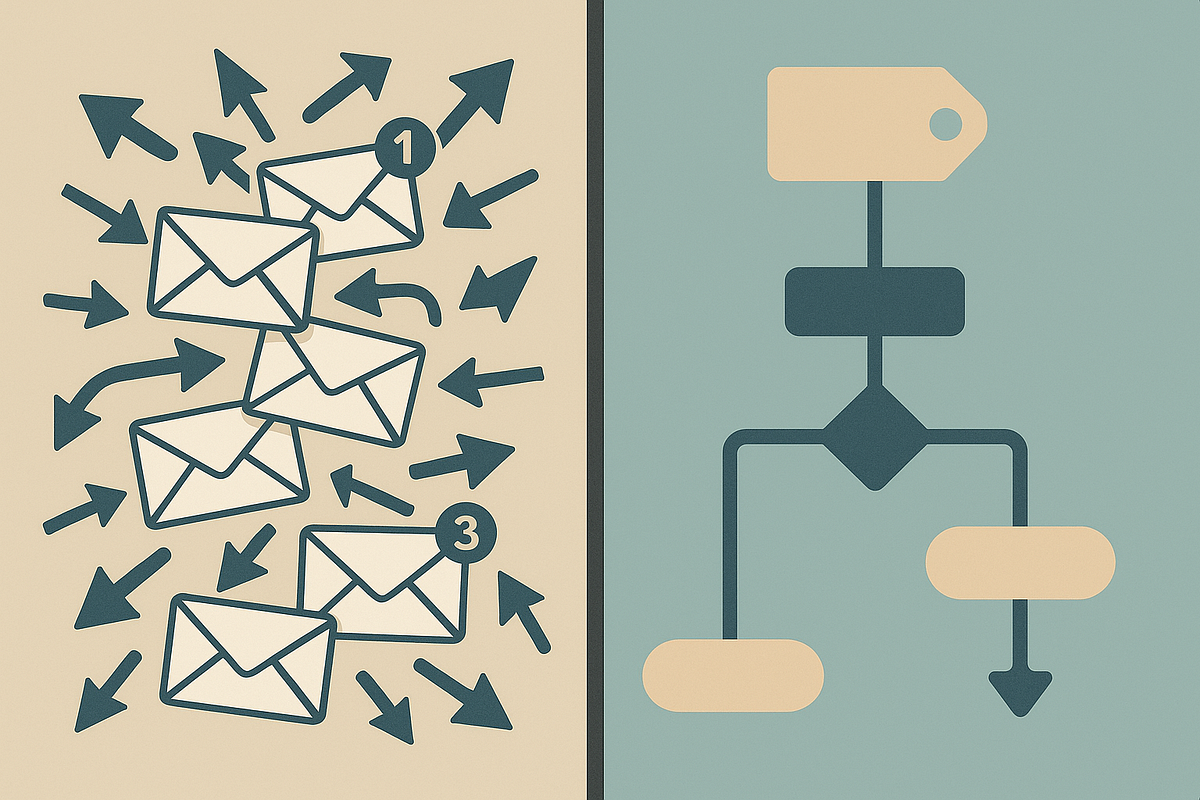
That exposure matters because it reveals what:
- Actually scales
- Quietly breaks over time
- Looks clever but fails operationally
- Remains reliable six or twelve months later
The Core Misunderstanding: KlickTipp Is Not a Newsletter Tool
Most users approach KlickTipp with a list-based mindset:
- Broadcast emails
- Static segments
- Linear sequences
That’s not how KlickTipp works best.
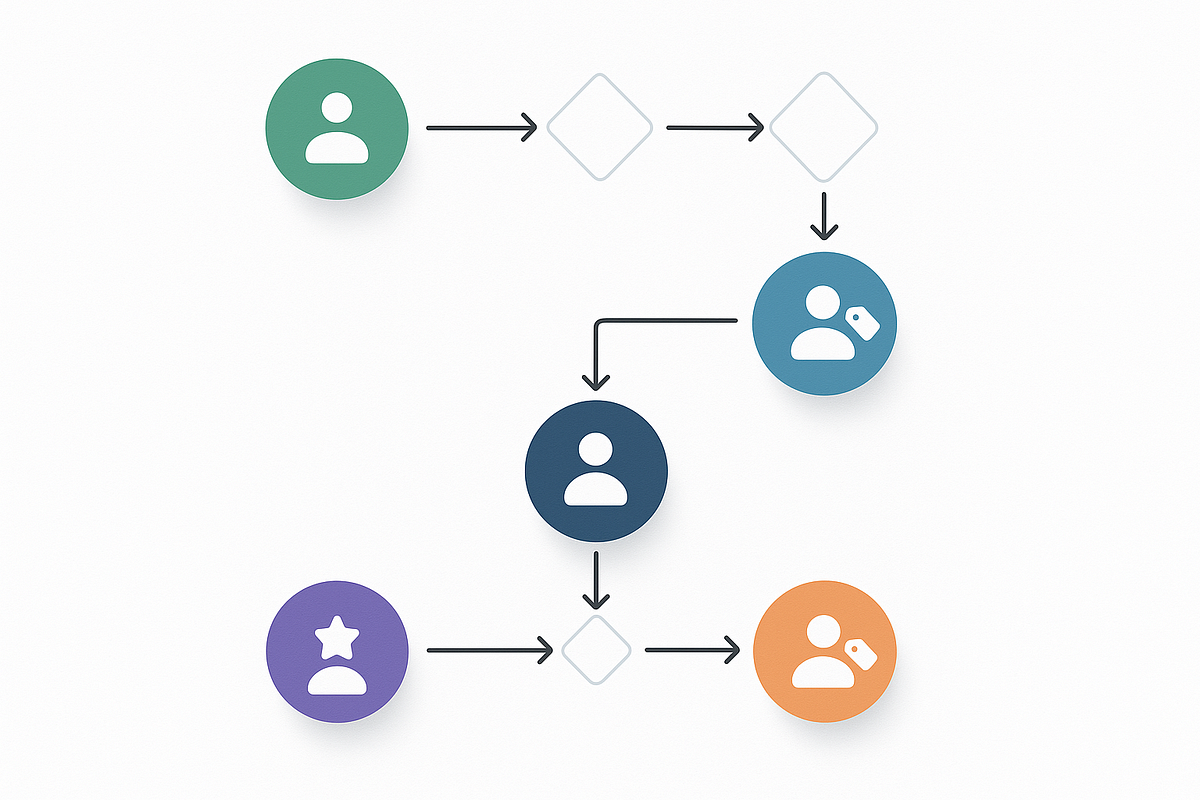
KlickTipp is built around tags as decisions, not labels.
Common mistakes I see repeatedly:
- Creating too many tags without a purpose
- Building automations without a lifecycle strategy
- Using SmartLinks without tying them to outcomes
- Ignoring exit logic
- Assuming GDPR is “automatic.”
Mastery begins when you shift from:
“Who is this contact?”
to
“What did this contact just do — and what should happen next?”
My Strategic Principle: Intentional Simplicity
The most scalable KlickTipp systems I’ve built all follow the same principle:
Intentional simplicity built on behavioral tagging.
That means:
- Fewer tags, but each with a clear job
- Automations triggered by actions, not assumptions
- Lifecycle stages that guide entry and exit logic
- Systems that can be audited and explained months later
Clarity always beats cleverness.
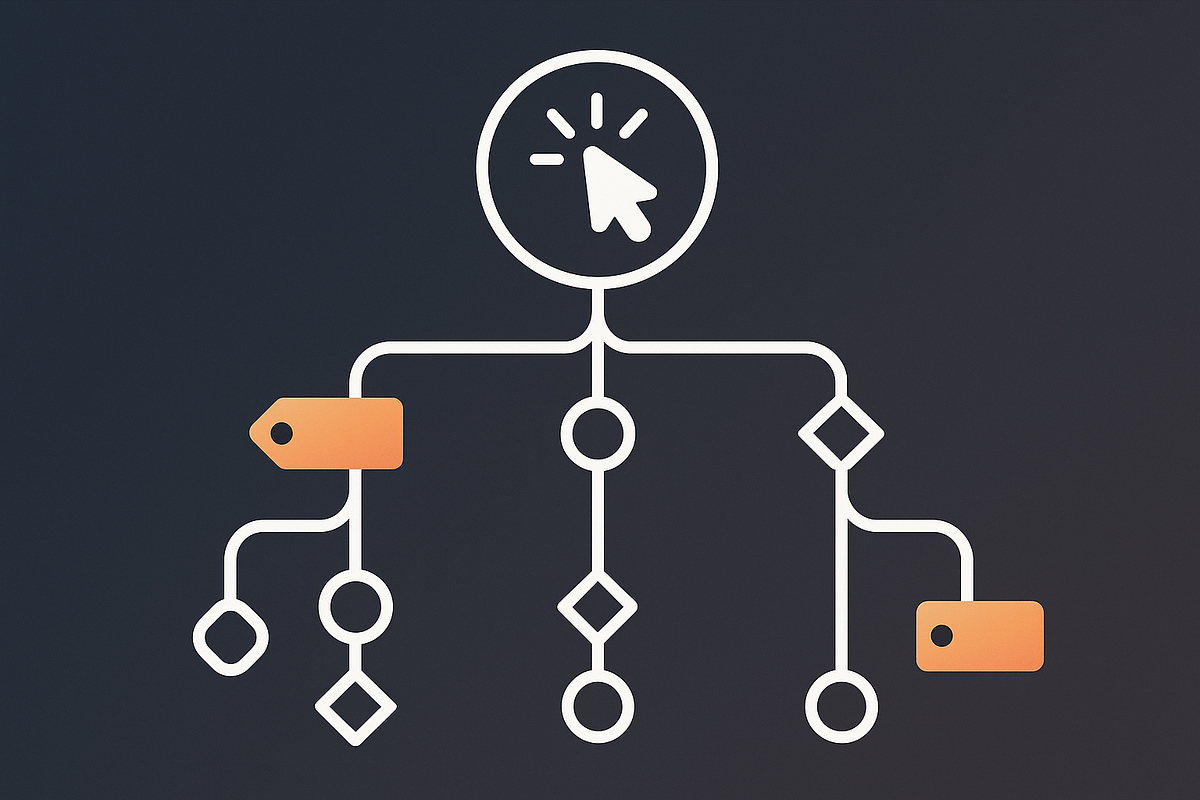
How I Structure Tags in KlickTipp
A clean tag architecture is non-negotiable.
Naming Conventions
Tags follow consistent, readable structures such as:
Lead_Webinar_XClicked_Email_OfferCustomer_Product_Y
Short, descriptive, and unambiguous.
Behavioral vs Static Tags
- Behavioral tags track actions (clicks, purchases, registrations)
- Static tags reflect attributes (customer type, plan level)
These are never mixed.

Lifecycle Tags
Contacts move through clear stages:
Lead → Prospect → Customer → VIP → Dormant → Re-engaged
Lifecycle tags drive relevance and protect deliverability.
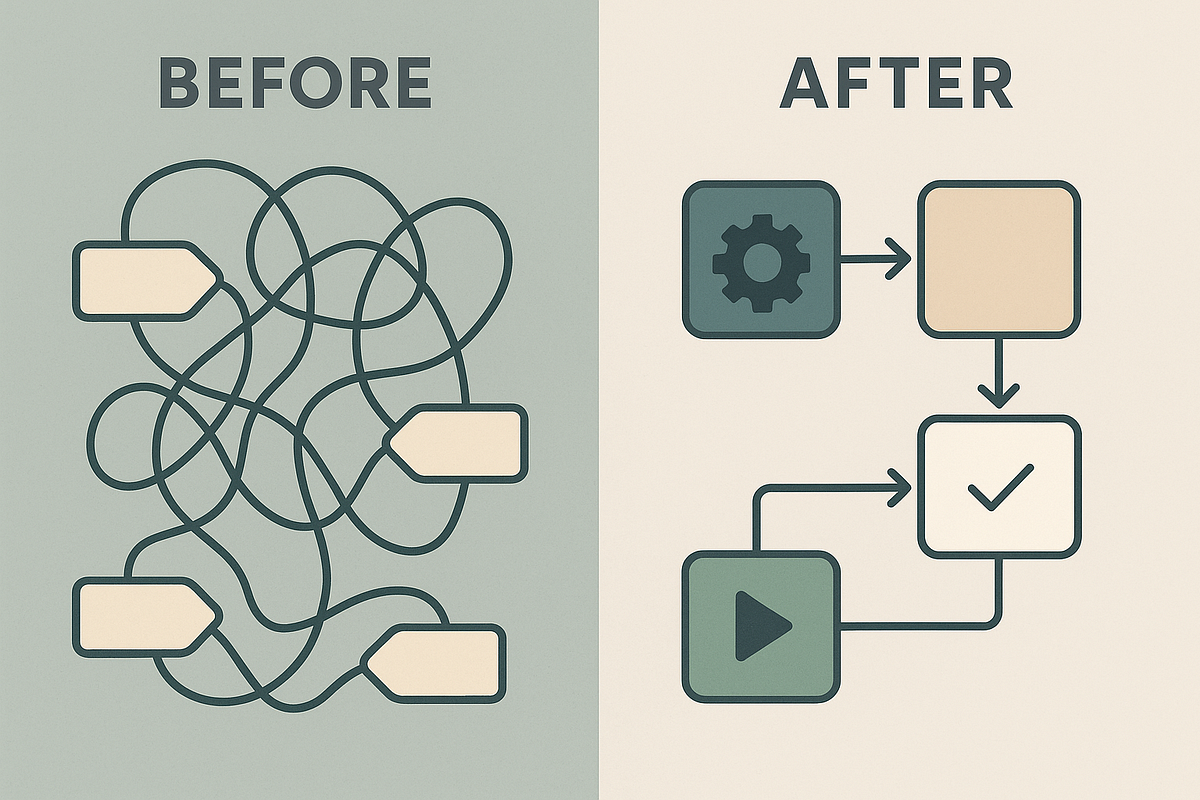
Automation Design: How to Avoid Tag Chaos
Every automation I build follows these rules:
- Plan before building
Journeys are mapped before anything is implemented. - Behavior-first logic
Automations react to real actions, not guesses. - Minimal, purposeful tagging
If a tag doesn’t trigger a decision, it doesn’t exist. - Explicit exit conditions
No stuck contacts. No endless loops. - Modular design
Small, reusable automation blocks instead of massive funnels. - Documentation and standards
Systems must be understandable to someone else.
This prevents technical debt — the silent killer of automation performance.
Case Study: Increasing Webinar Conversions by 37%
A mid-sized coaching business came to me with:
- Low webinar attendance
- Poor post-webinar conversions
- Generic broadcast emails
What Changed
- Behavioral tagging for every key action
- Automated follow-ups for attendees vs no-shows
- Lifecycle segmentation
- SmartLinks for conditional paths
Results
- +42% webinar attendance
- +37% conversion rate from webinar to paid program
- Improved deliverability and engagement
The system is now reused for every launch.
Fixing a “Broken” KlickTipp Account
I’ve inherited several overengineered KlickTipp setups. The problems are always similar:
- Hundreds of duplicate tags
- Broken automation logic
- No lifecycle management
- GDPR risks
- Zero documentation
The fix is never “more automation.”
It’s:
- Auditing everything
- Cleaning and consolidating tags
- Rebuilding modular automations
- Restoring lifecycle logic
- Re-establishing compliance
The result: reliability, clarity, and predictable performance.

KlickTipp’s Real Advantages (Strategically)
KlickTipp excels where precision matters:
- Pure tag-based decision logic
- GDPR and consent-first architecture
- Stable, predictable automation
- Lifecycle-based communication
- Advanced SmartLink logic
It trades flashy features for control and maintainability, which is why it performs so well for coaches, consultants, and trust-based businesses.

A Contrarian View on Automation
More automation is not better automation.
Over-automation:
- Hurts trust
- Damages deliverability
- Reduces long-term engagement
The best KlickTipp systems use restraint.
Automation should enhance relationships — not replace them.
A 90-Day Roadmap to Mastery
Month 1: Structure and foundations
Month 2: Behavioral automation and integrations
Month 3: Optimization, lifecycle nurturing, and documentation
This progression consistently moves users from confusion to confidence.

When Not to Use KlickTipp
KlickTipp is not ideal if:
- You only need simple broadcasts
- You rely heavily on transactional email
- No one is willing to maintain automation
- Behavioral marketing isn’t a priority
Used correctly, it’s powerful. Used casually, it’s unnecessary.
Final Thought
Mastering KlickTipp isn’t about knowing every feature — it’s about designing behavior-driven, scalable systems that nurture trust, relevance, and long-term customer value.

When KlickTipp is treated as a decision engine rather than an email tool, everything changes: clarity improves, performance stabilizes, and automation finally starts working for the business — not against it.


Comments
Post a Comment