FunnelCockpit: Data-Driven Funnel Management Made Simple
Most funnels don’t fail because of bad tactics.
They fail because decisions are made without a clear, centralized view of what’s actually happening.
As a funnel consultant and strategic power user of FunnelCockpit, I work with funnels across multiple traffic sources, business models, and industries. And over several years of analyzing funnels, analytics, and conversion behavior, I’ve seen the same pattern repeat itself:
Funnel problems are rarely traffic problems.
They’re visibility problems.
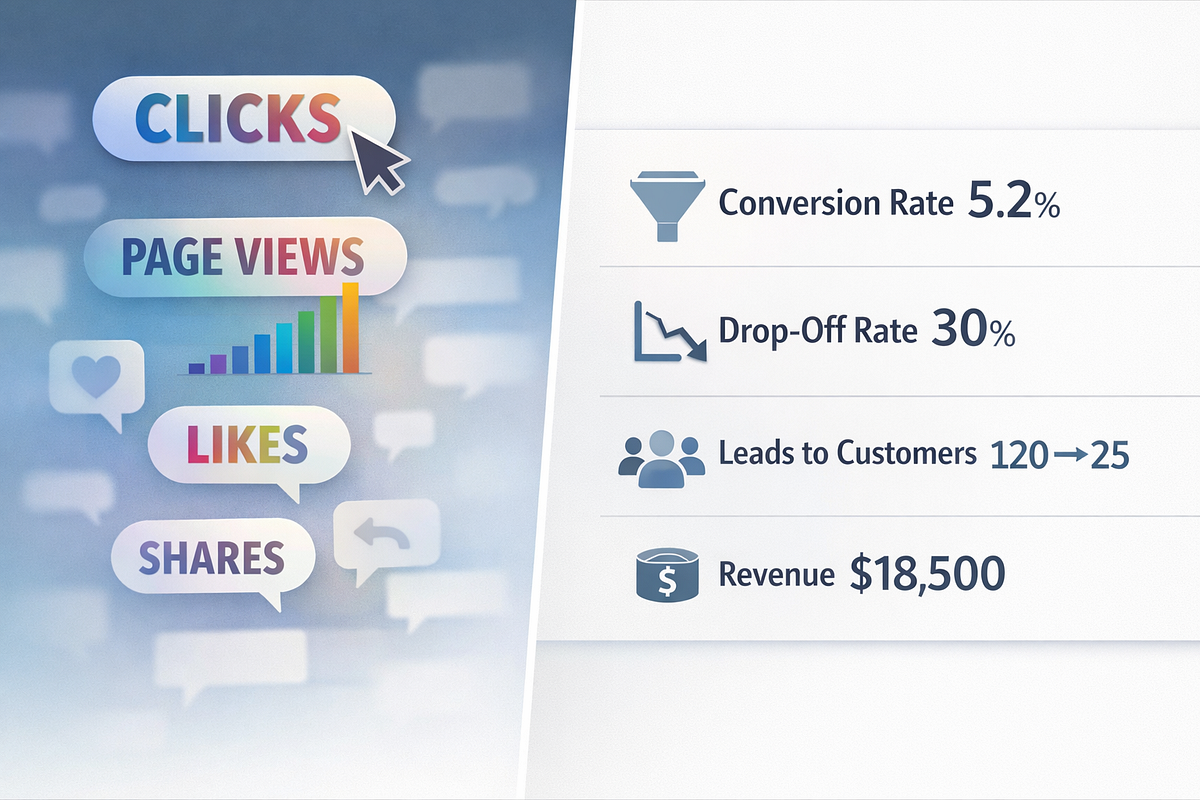
Clicks, pageviews, and leads might look healthy — but revenue stalls, conversions plateau, and optimization efforts feel random. Not because teams aren’t trying hard enough, but because the data they rely on is fragmented, noisy, and disconnected from real decisions.
This is where data-driven funnel management stops being a buzzword and starts becoming a competitive advantage.
The Core Problem With Most Funnel Analytics
Most SaaS founders, coaches, course creators, and agencies I work with are intermediate when it comes to funnels. They already have systems running:
- Paid traffic is live
- Funnels are built
- Emails are firing
- Dashboards exist everywhere
Yet they still ask the same questions:
- Which step is actually broken?
- Which traffic source is worth scaling?
- What should we optimize first?
The issue isn’t a lack of tools. It’s that those tools don’t work together as a decision system.

Common misconceptions I see repeatedly
- “More tools mean better insights.”
In practice, more dashboards usually mean more confusion. - “If traffic is coming in, the funnel must be working.”
Activity is not performance. Clicks are not revenue. - “Optimization is about tweaking pages.”
Page-level changes rarely fix system-level problems. - “Analytics tools are too complex to use consistently.”
If insights aren’t decision-ready, they don’t get used.
The result is predictable: optimization becomes reactive, slow, and driven by intuition rather than evidence.
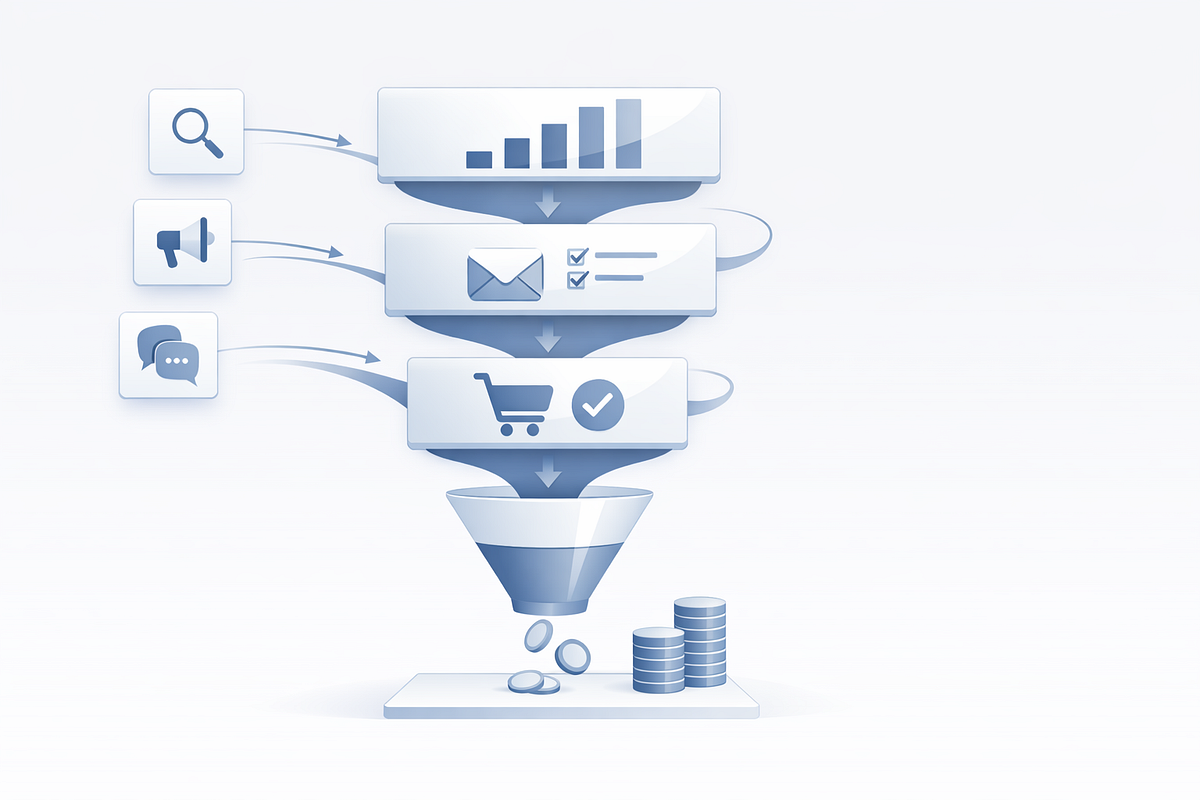
Why Traditional Tools Fall Short
Before using FunnelCockpit, I relied on the same stack most teams do:
- Ad platforms for traffic
- Funnel builders for page stats
- Email tools for follow-ups
- CRMs for leads and deals
- Spreadsheets to “tie it all together.”
None of these tools is broken individually.
They simply weren’t designed to answer one core question efficiently:
Where is the funnel actually breaking — and what should we do next?
- Spreadsheets are flexible but fragile, manual, and slow.
- GA4 is powerful, but not funnel-first or decision-friendly without heavy customization.
- CRMs show what happens after the lead — too late to optimize early drop-offs.
- Ad dashboards are siloed and biased toward their own platforms.
Optimization felt like guesswork because the data lacked context.
A Revenue-First Philosophy on Funnel Management
I hold a few strong beliefs that guide how I analyze funnels — and they’re the same principles FunnelCockpit is built around:
- Vanity metrics kill decision-making.
- Funnels should be revenue-first, not traffic-first.
- Disconnected tools create confusion, not clarity.
- Optimization without context is guesswork.
Funnels are not isolated pages or campaigns.
They are systems, and systems require visibility across every step — from traffic to conversion to revenue.
That shift in perspective is what makes FunnelCockpit different.
What FunnelCockpit Actually Changes
FunnelCockpit doesn’t just show data.
It changes how teams interpret data.
From fragmented metrics → holistic context
Traffic, pages, emails, and revenue are connected in one funnel view.
From descriptive → actionable
Step-to-step drop-offs, CAC vs. LTV, and revenue per step become decision triggers.
From reactive → strategic
Instead of guessing what to tweak, teams prioritize changes based on evidence.
From conflicting dashboards → single source of truth
Marketing, sales, and leadership all look at the same numbers — and draw the same conclusions.
The tradeoff is intentional:
clarity over extreme customization, speed over data noise, and insight over raw metrics.
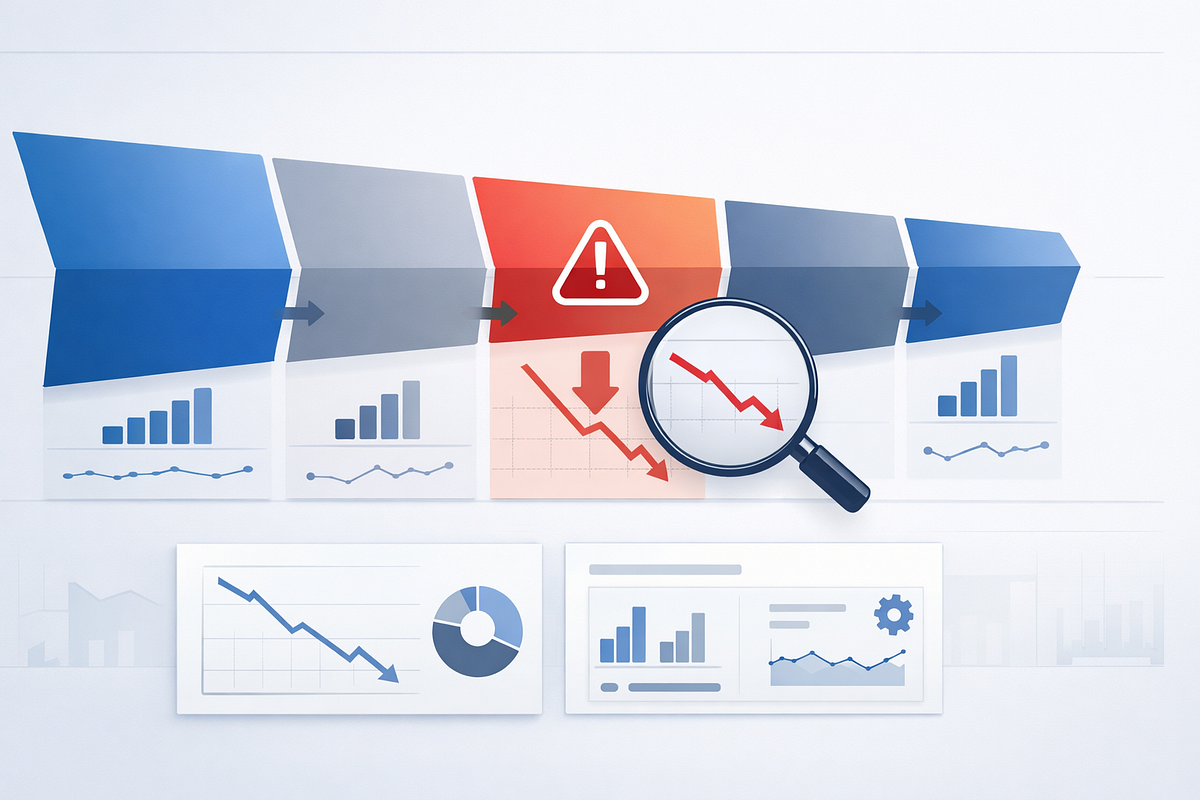
The Metrics That Actually Matter
When I analyze funnels, I focus on metrics that reveal both performance and profitability:
- Step-to-step drop-off rates
- Customer Acquisition Cost (CAC)
- Lifetime Value (LTV)
- Revenue per funnel step
- Payback period (CAC vs. LTV)
These metrics don’t just describe what happened — they inform what to do next.
Real-World Decisions Fueled by FunnelCockpit
A non-obvious insight that changed everything
One campaign looked successful on the surface:
Traffic was high, emails were opening, and early conversions looked fine.
FunnelCockpit revealed the truth:
Most users dropped off at a specific onboarding step.
Instead of increasing ad spend or rewriting headlines, we fixed that single step.
Result: a 25–30% lift in overall conversions — without spending more on traffic.
That’s the power of step-level visibility.
Case Studies Across Different Funnel Types
SaaS Startup (Free Trial → Paid)
- Problem: unclear trial drop-offs, conflicting dashboards
- Insight: activation — not acquisition — was the bottleneck
- Outcome: 35% increase in trial-to-paid conversions, no extra ad spend
Online Course / Coaching Funnel
- Problem: strong webinar sign-ups, weak enrollments
- Insight: email follow-up timing drove conversions
- Outcome: 25% higher enrollment rate, improved ad ROI
Agency Client (Subscription E-commerce)
- Problem: reporting chaos, unclear campaign performance
- Insight: one landing page caused most drop-offs
- Outcome: 20% lift in subscriptions and faster client reporting
Across industries, the pattern is consistent:
Centralized funnel data leads to non-obvious, high-impact decisions.
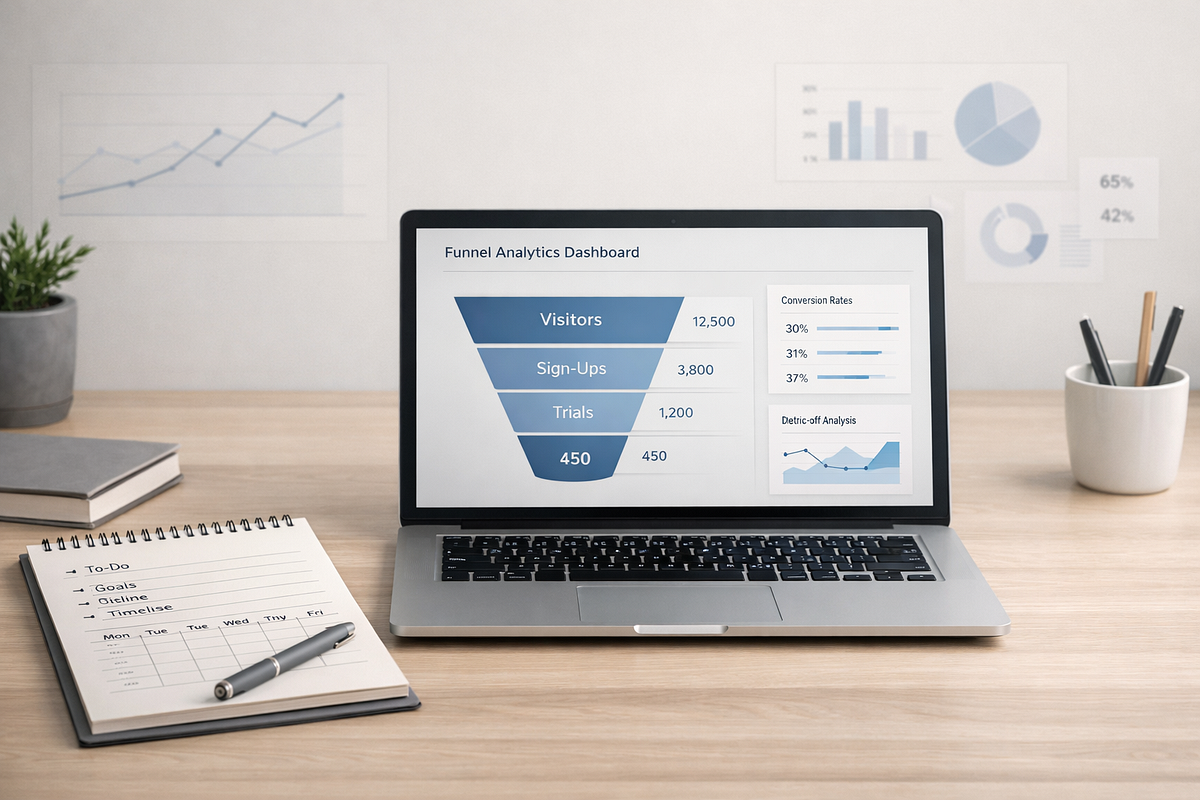
How I Use FunnelCockpit in Practice
Weekly
- Monitor funnel health and drop-offs
- Compare traffic sources by revenue impact
- Flag bottlenecks worth immediate attention
Monthly
- Review CAC, LTV, and payback periods
- Align teams on funnel priorities
- Plan optimizations based on evidence, not instinct
What used to take hours across tools now happens in minutes — with far more confidence.
Where FunnelCockpit Wins — and Where It Doesn’t
Clearly wins at:
- Centralized, decision-ready analytics
- Step-by-step funnel visibility
- Revenue-first insights
- Time savings and team alignment
May not be ideal if:
- You need extreme dashboard customization
- You run very simple, single-step funnels
- You rely on enterprise-level data science workflows
Its strength is clarity, not complexity.

Final Thought: Rethink the Metrics Before You Rethink the Funnel
Before adding more traffic, rewriting pages, or launching new campaigns, ask one question:
Do we actually know where this funnel is breaking?
Most optimization stalls not because teams lack effort — but because they lack visibility.
FunnelCockpit exists to solve that exact problem:
turning scattered data into a single, decision-ready view of what drives conversions and revenue.
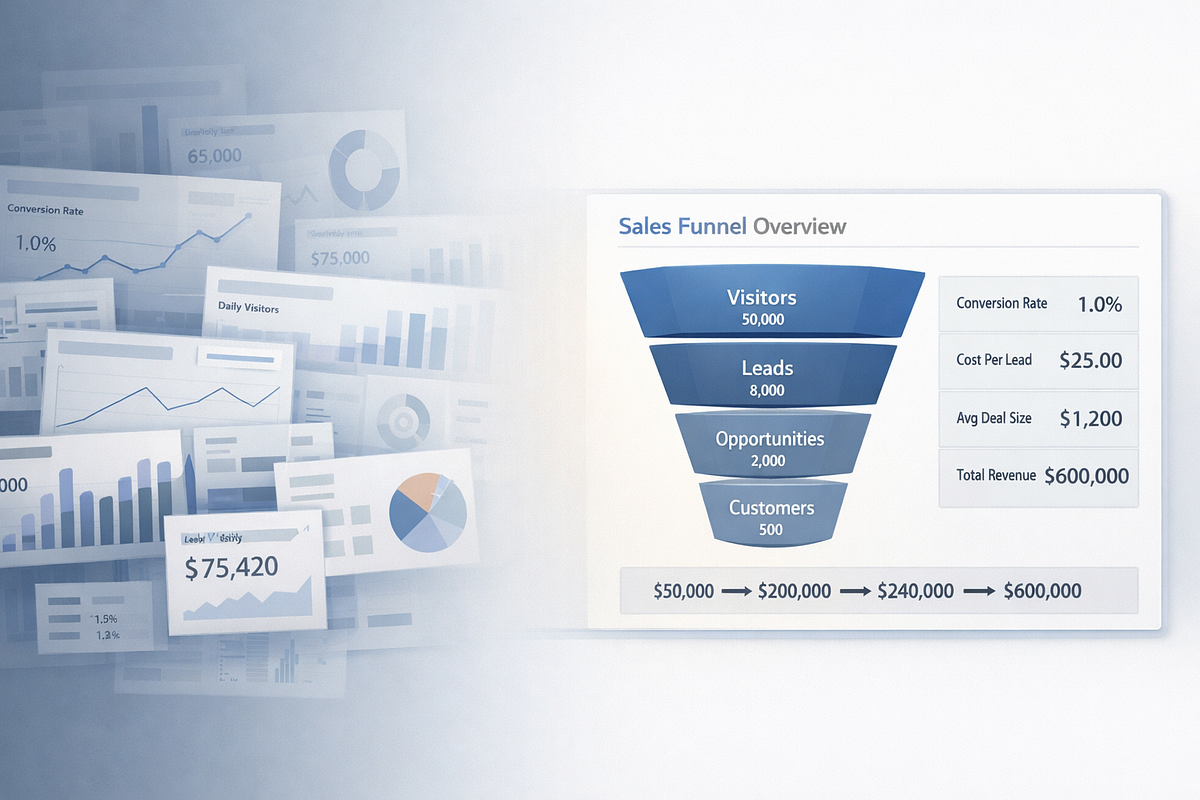
If this post helped you rethink how you measure funnel performance, start there.
And if you want to see what centralized, revenue-first funnel analytics looks like in practice, exploring FunnelCockpit is a logical next step.
The real advantage isn’t more data.
It’s better decisions.


Comments
Post a Comment