Understanding Quantum Computing Systems
A systems-level view beyond qubits, hype, and headlines
Quantum computing is often presented as either magical or mysterious — an inevitable technological revolution powered by strange physics and exponential speedups. In practice, it is neither. Quantum computing is best understood as a fragile, tightly coupled computing system, where hardware, control electronics, software, and classical infrastructure must work in concert to produce any useful result.
From an industry and systems-architecture perspective, the most important shift is this:
Quantum computing is not about qubits in isolation — it is about end-to-end system behavior.
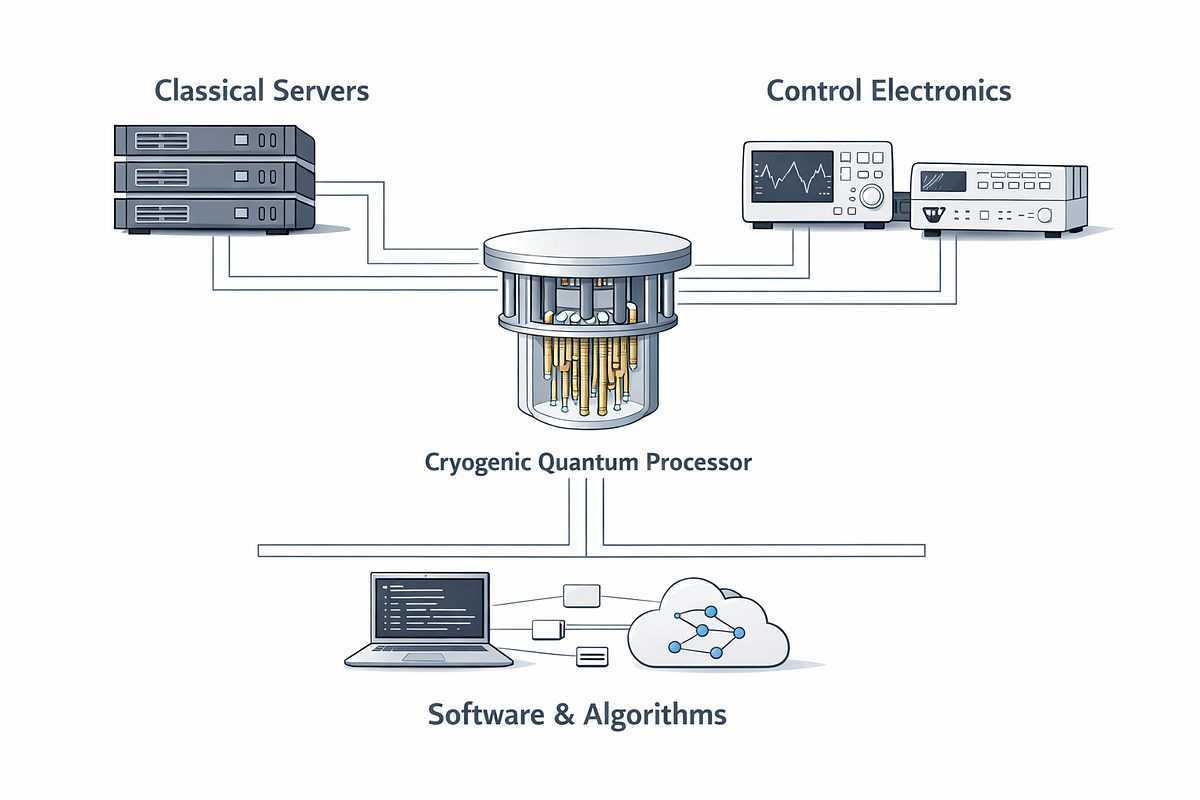
In this post, I want to move beyond surface-level explanations and offer a grounded, engineering-focused understanding of how quantum computing systems actually work today, where they deliver value, and where expectations often go wrong.
From Algorithms to Systems: Reframing Quantum Computing
Most introductions to quantum computing start with algorithms — Shor’s, Grover’s, or vague promises of exponential speedups. That framing is misleading for anyone trying to assess real-world applicability.
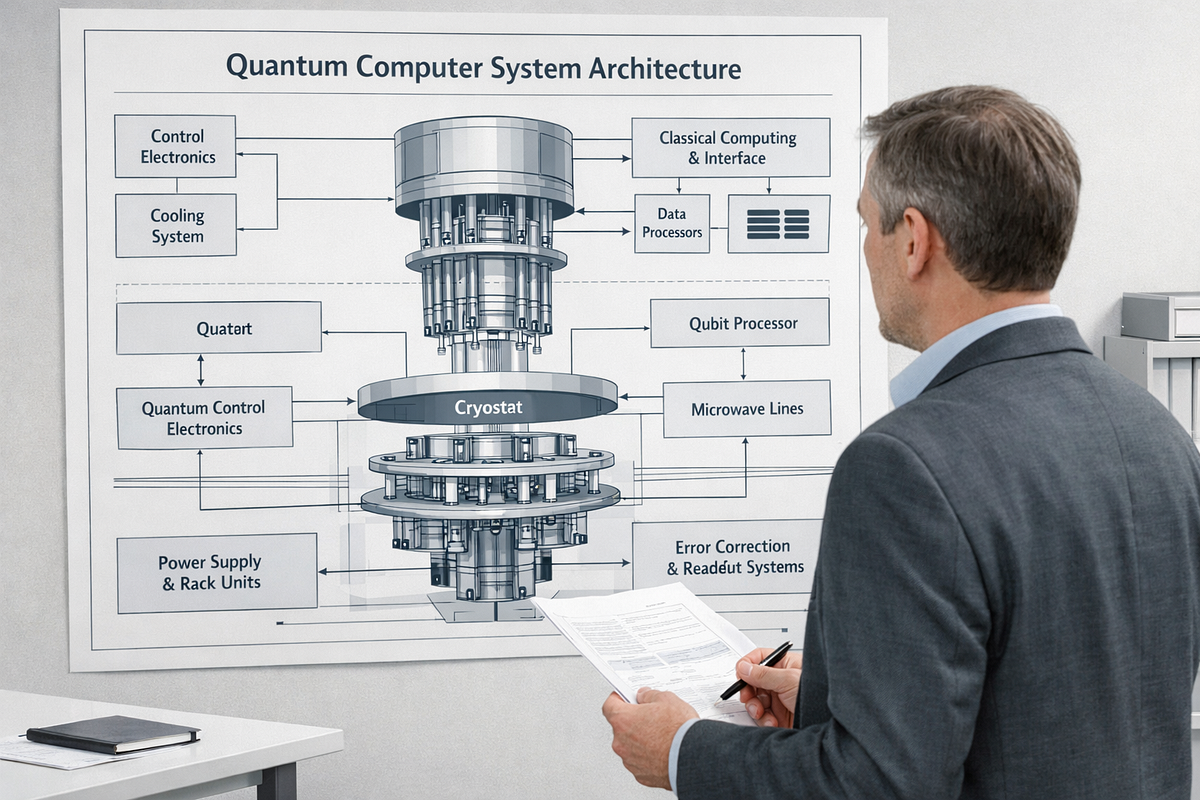
In practice, a quantum computer is a hybrid machine composed of:
- Physical qubits (the fragile quantum hardware)
- Control electronics and timing systems
- Cryogenic or vacuum infrastructure
- Classical computers that compile, schedule, and orchestrate execution
- Software stacks that abstract hardware constraints
- Error sources, mitigation techniques, and (eventually) error correction
If you strip away any one of these components, the system fails.
This is why I strongly disagree with the idea that quantum progress can be measured primarily by qubit count. A system with fewer, high-fidelity qubits, stable calibration, and a mature software stack can outperform a larger but noisier machine. In quantum computing, engineering discipline matters more than headline metrics.
What a Quantum Computing System Actually Looks Like
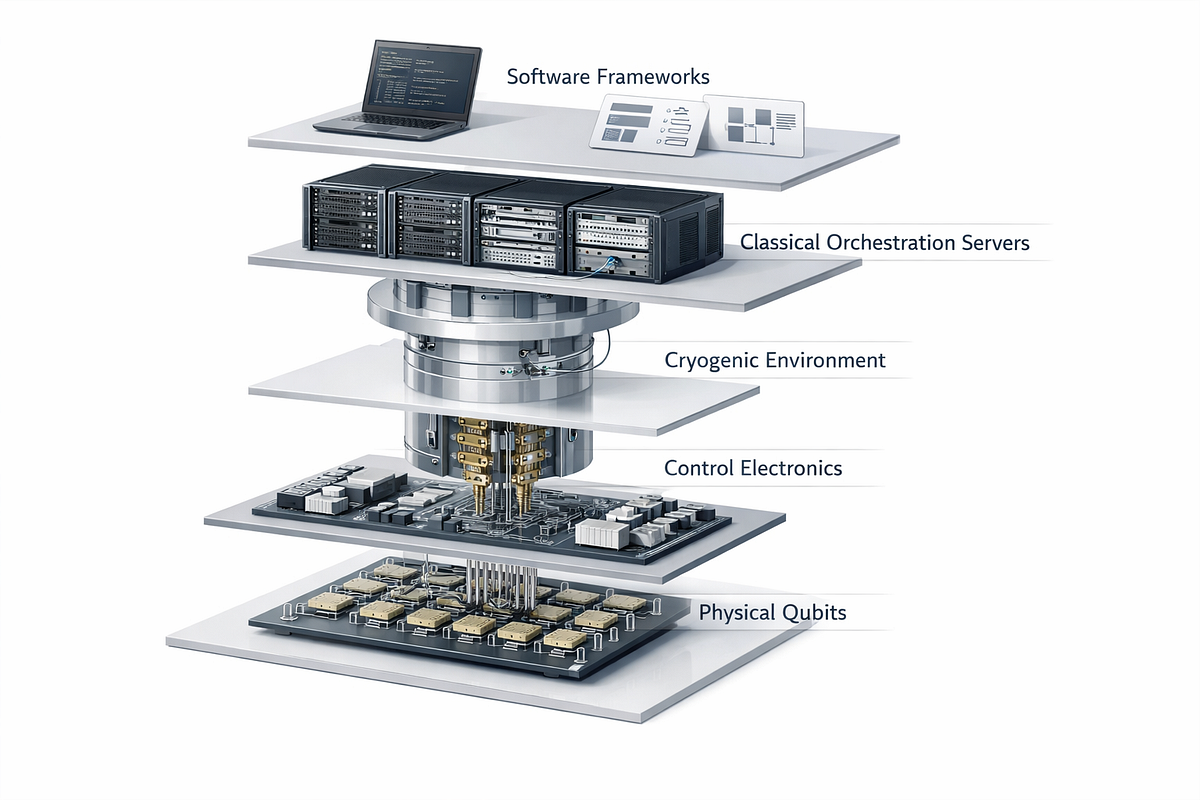
Qubits Are the Starting Point, Not the System
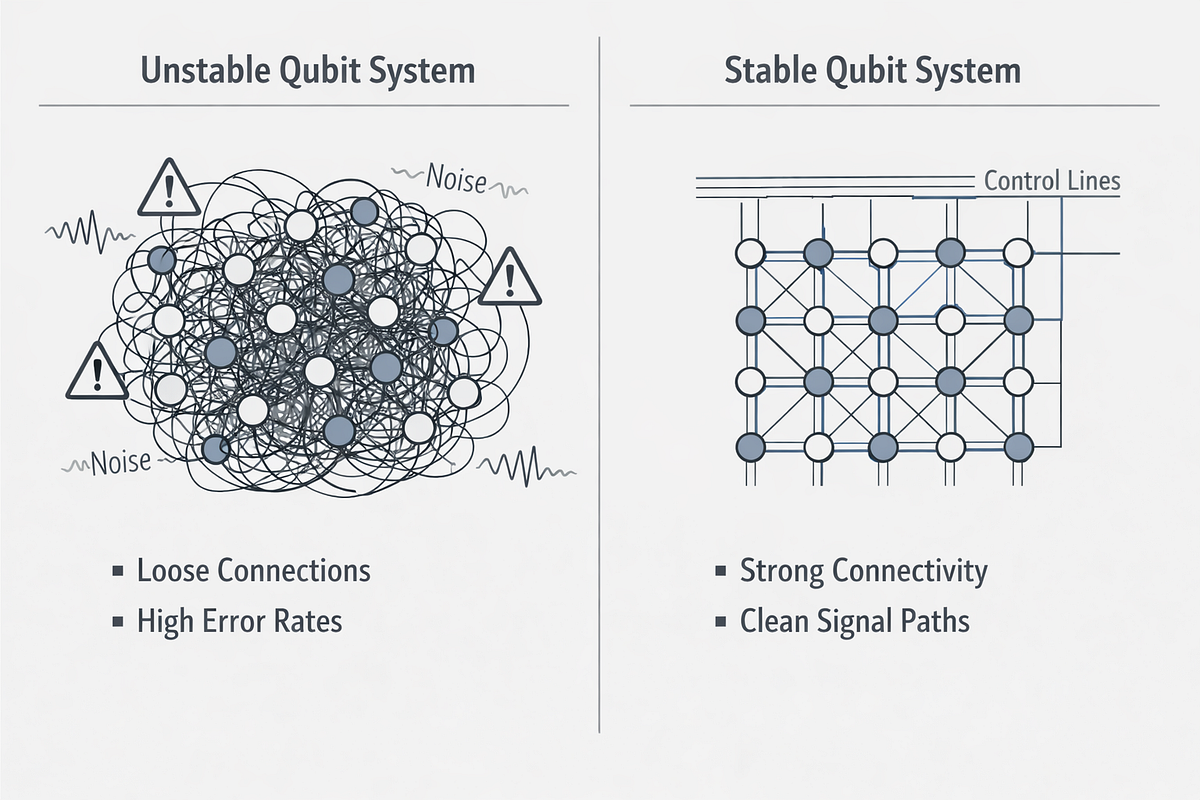
Qubits are the basic computational units, but they are also extraordinarily fragile. They are susceptible to noise, decoherence, crosstalk, and control errors. From a systems perspective, raw qubits are closer to unreliable analog components than digital transistors.
What matters is not just how many qubits exist, but:
- How reliably they can be initialized, controlled, and measured
- How well they are connected
- How long do they retain coherence
- How often do they drift and require recalibration
These constraints directly limit circuit depth, algorithm complexity, and usable runtime.
Control Electronics and Classical Orchestration
One of the least discussed — but most critical — parts of a quantum system is the classical infrastructure that surrounds it.
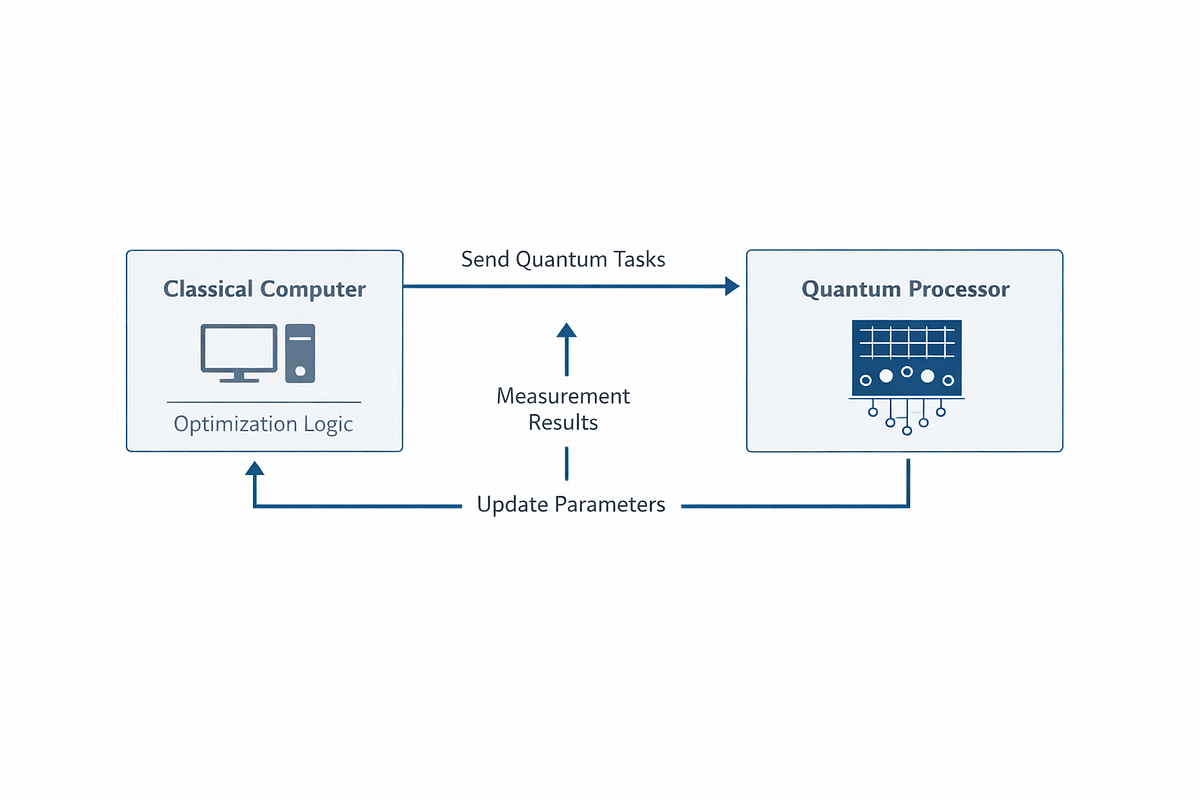
Every quantum computation today depends heavily on classical systems to:
- Translate algorithms into hardware-compatible circuits
- Schedule gate operations under timing constraints
- Run hybrid algorithms that loop between classical optimization and quantum execution
- Collect measurement results and feed them back into classical logic
In my experience evaluating cloud-accessible quantum systems, classical latency, compiler behavior, and orchestration overhead often dominate performance long before theoretical algorithm limits are reached. Quantum processors are not standalone accelerators; they are subsystems embedded inside a classical computing pipeline.
Noise, Errors, and Why Qubit Count Misleads
If there is one concept that separates realistic system thinking from hype, it is noise.
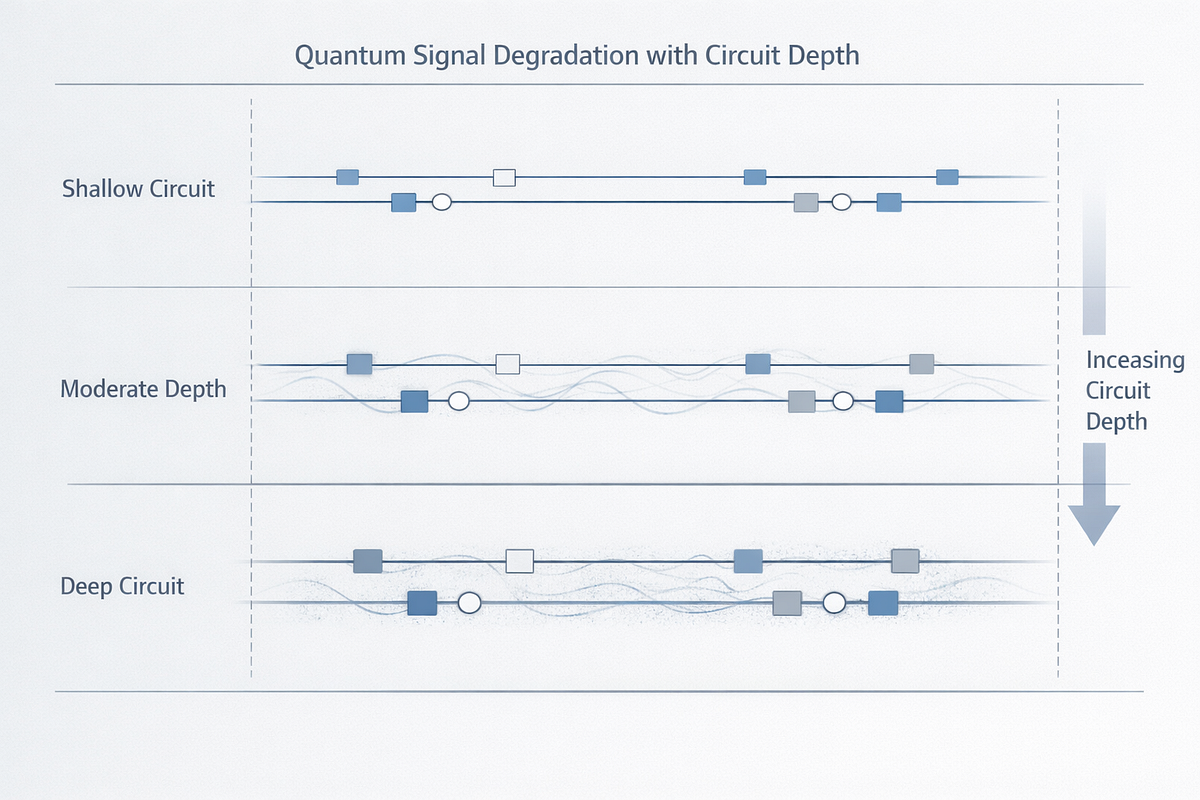
Today’s quantum machines operate in the NISQ (Noisy Intermediate-Scale Quantum) era. Errors accumulate quickly, limiting the depth of circuits that can be executed reliably. This is why many “quantum advantage” demonstrations are narrowly constructed and difficult to generalize.
From a systems standpoint:
- Error rates matter more than qubit count
- Connectivity affects compilation efficiency
- Calibration stability determines usable uptime
- Error mitigation adds classical overhead and variability
This is also why fully fault-tolerant quantum computing remains a long-term goal rather than a near-term reality. Error correction is not a software patch; it is a massive architectural undertaking that multiplies resource requirements.
Software Stacks: Where Hardware Reality Meets Abstraction
Frameworks like Qiskit and Cirq play a crucial role in making quantum systems usable. But they also expose an uncomfortable truth: software abstractions cannot hide hardware limitations indefinitely.
In hands-on evaluations, I have seen how:
- Circuit transpilation changes dramatically based on hardware topology
- Minor changes in gate fidelity affect algorithm viability
- Compiler optimizations can matter more than algorithm selection
- The same logical circuit behaves very differently across platforms
This reinforces an important point for engineers: quantum software is inseparable from quantum hardware. Treating it like conventional software development leads to false assumptions and brittle results.
Case Studies: What Practical Experimentation Teaches Us
Across optimization proofs-of-concept, quantum simulation pilots, and cloud-based benchmarks, a consistent pattern emerges.
Optimization Experiments
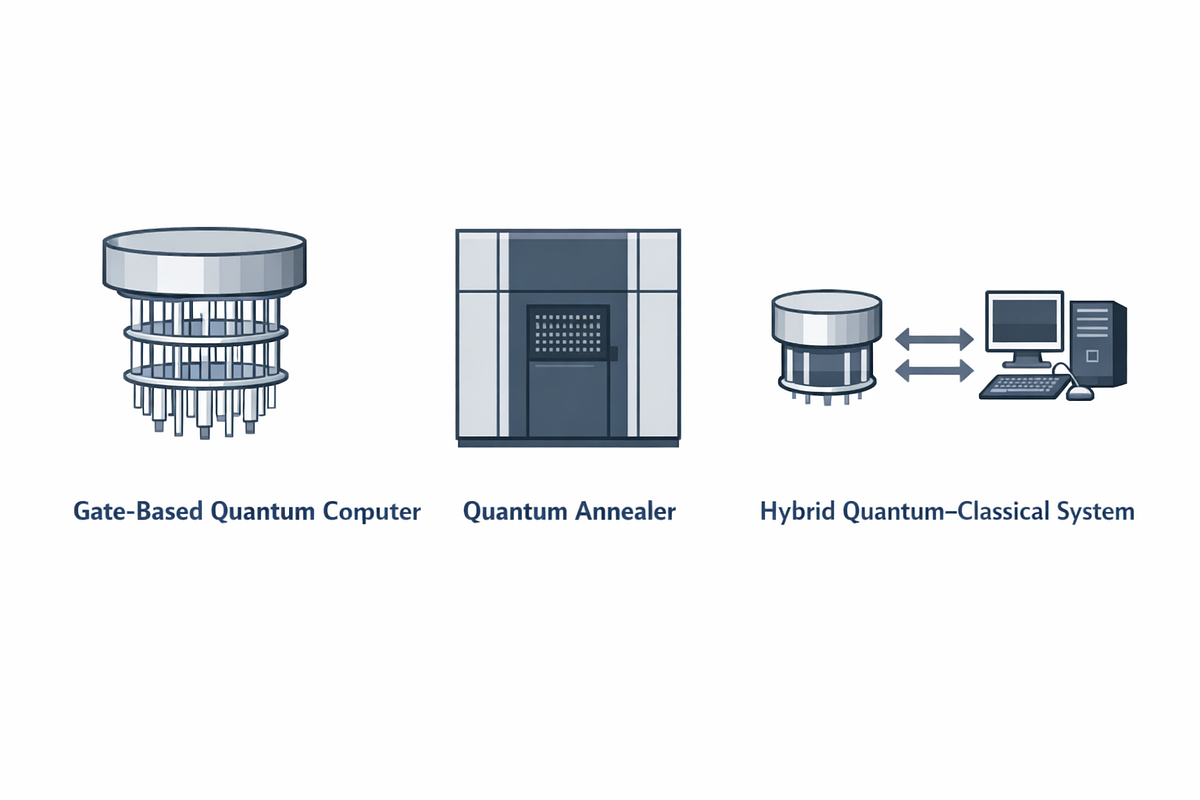
In logistics-style optimization pilots using quantum annealing, the quantum processor rarely acted as a drop-in replacement for classical solvers. Value emerged only when:
- Problems were carefully encoded
- Classical pre- and post-processing was extensive
- Expectations were scoped to exploration, not production
Simulation Workloads
Gate-based simulations of molecular systems highlighted how circuit depth and noise — not algorithm design — were often the limiting factors. The lesson was clear: system constraints dominate theory.
Platform Evaluations
Running real workloads on cloud-accessible quantum hardware revealed bottlenecks rarely discussed in academic papers — latency, job queuing, compilation variability, and calibration drift.
None of these efforts produced an immediate “quantum advantage.” All of them produced system insight, which is far more valuable at this stage.
What Quantum Computing Is (and Is Not) Good For Today
I am skeptical of claims that a broad quantum advantage is imminent. That skepticism is not pessimism — it is grounded in system reality.
What Will Not Work
- Replacing classical computers for general-purpose workloads
- Expecting near-term, large-scale ROI
- Treating qubit count as a proxy for capability
- Assuming quantum speedups apply universally
Where Value Actually Exists
- Research and system learning
- Niche optimization and sampling problems
- Hybrid quantum–classical workflows
- Organizational readiness and skill-building
My personal rule-of-thumb is simple:
A problem is worth exploring on a quantum system if its structure aligns with current hardware constraints and classical methods struggle to scale. Even then, the primary return is often learning, not performance.
Disciplined Adoption Beats Hype-Driven Investment
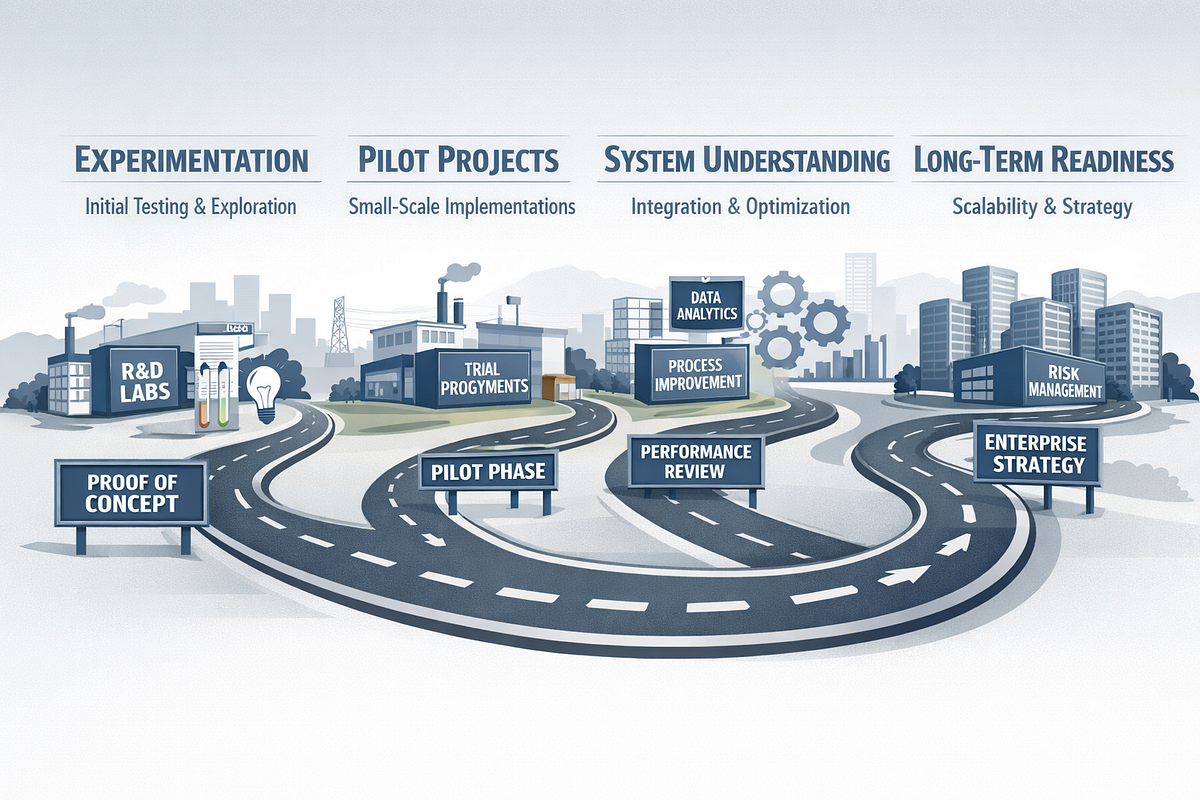
I have seen organizations overinvest by chasing headlines, and others extract meaningful value through disciplined experimentation.
The difference is in mindset.
Successful teams:
- Define narrow, measurable goals
- Build cross-disciplinary expertise
- Run small, iterative pilots
- Treat outcomes as data, not marketing
- Align quantum efforts with long-term strategy
Unsuccessful teams expect disruption without understanding integration, noise, or system limits.
Quantum computing rewards patience, rigor, and systems thinking. It punishes hype.
Final Thoughts: Think Like a Systems Architect
The most important shift for anyone trying to understand quantum computing is this:
Stop asking “How many qubits?”
Start asking “How does the system behave end-to-end?”
Quantum computing will not arrive as a sudden revolution. It will emerge gradually, through better control, better software, better integration, and better engineering discipline. Those who understand quantum systems — not just quantum theory — will be best positioned to extract real value when the technology matures.
If there is one takeaway from this post, it is that quantum computing is a systems problem first, a physics problem second, and a business opportunity only after both are understood.


Comments
Post a Comment